Home Warranty Coverage for Battery Backups in 2026
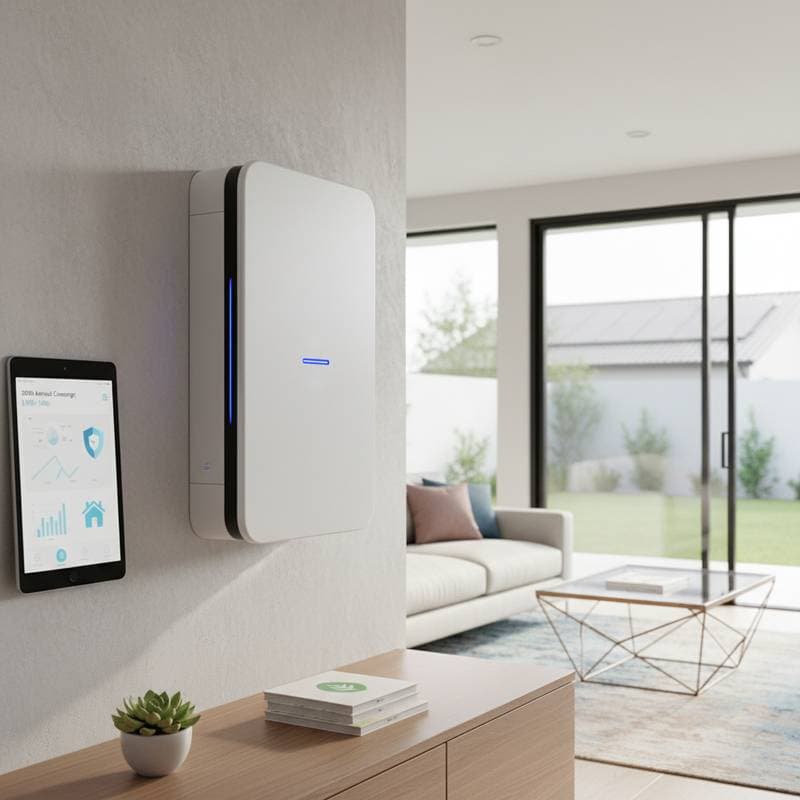
Home energy storage systems, particularly battery backups, have evolved into essential components of modern residences. These units maintain power for critical appliances during blackouts and capture surplus solar generation. Homeowners increasingly seek clarity on how warranties address these investments to prevent costly surprises and support informed upkeep choices.
Coverage typically extends to core elements like battery modules, inverters, and control units, provided the system qualifies under the policy terms. Providers often exclude pre-existing conditions or improper installations, so documenting the setup proves valuable. This protection shields against failures in high-value components that could otherwise lead to thousands in repair bills.
Pricing Structures for Battery Backup Coverage
Warranty providers employ diverse pricing approaches tailored to claim processing and service delivery methods.
Flat Service Fees Compared to Hourly Charges
The predominant model involves a flat service fee per claim, typically between $75 and $150, which covers the technician's visit. Beyond this fee, the warranty handles repair or replacement expenses for approved components. Independent contractors, by contrast, often bill $100 to $200 hourly for battery-related work, highlighting the financial benefits of warranty inclusion during significant malfunctions.
Unit-Based or Project-Specific Pricing
Properties featuring multiple battery units or combined solar setups may encounter per-unit charges of $100 to $300 yearly. For new installations, warranties sometimes integrate into project bids, with the initial year's protection bundled at no extra cost. This arrangement simplifies budgeting for comprehensive energy projects.
Bundled Package Options
Certain providers package battery backups alongside electrical and renewable features in specialized plans, such as renewable power or smart energy add-ons. These combinations, which might encompass solar panels and inverters, yield savings of up to 15 percent over individual policies. Bundles streamline coverage for interconnected home systems.
Subscription and Extended Coverage Models
Monthly subscriptions, ranging from $50 to $100, offer flexible alternatives to annual payments, incorporating monitoring and maintenance services. Extended manufacturer warranties, priced at $500 to $1,000, provide multi-year protection for specific brands. Homeowners benefit from these options by aligning payments with usage patterns and long-term needs.
Factors Shaping Coverage Costs
Several elements influence the premiums for battery backup warranties, reflecting provider risks and homeowner benefits.
System Scale and Capacity
Homes with expansive energy demands, such as those using several battery packs, incur higher premiums due to elevated replacement values and service intricacies. Smaller setups for basic backup needs generally attract lower rates. Assessing total capacity helps in selecting appropriately priced plans.
Technical Complexity and Expertise Needs
Advanced lithium-ion batteries demand certified specialists and specialized equipment, elevating costs compared to simpler lead-acid varieties. Providers adjust rates based on technician qualifications and regional availability. Opting for systems with widespread support can moderate these expenses.
Service Duration and Urgency
Plans promising rapid response, like same-day service, incorporate premiums for availability. Standard turnaround times keep costs lower while still addressing most issues efficiently. Evaluating personal urgency guides the choice between basic and expedited options.
Component and Material Expenses
High-end parts, such as inverters costing $1,500 to $3,000 or modules up to $4,000, directly impact premiums. Warranties mitigate these outlays by covering verified claims. Reviewing part compatibility with the policy ensures comprehensive protection.
Benefits of Including Battery Coverage in Home Warranties
Warranties for battery systems deliver substantial financial and ecological returns. They curb unexpected expenditures on premium repairs and foster proactive system care. According to the Home Warranty Association of America, covered homeowners reduce repair costs by an average of 40 percent versus self-funding.
Environmentally, these policies promote efficient operations that cut energy waste and support sustainability. Certified repairs adhere to recycling standards, minimizing hazardous disposal. Overall, such coverage enhances system durability and aligns with green living goals.
Selecting an Optimal Warranty Provider
Homeowners evaluating battery backup coverage should prioritize these aspects for a strong match.
- Detailed Coverage Terms: Verify inclusion of specific parts like batteries and inverters, beyond vague electrical categories.
- Technician Expertise: Confirm access to certified professionals experienced in renewable technologies and your equipment brand.
- Service Speed: Check commitments for response times and availability of emergency support.
- Customer Feedback: Investigate ratings for reliability, claim ease, and policy clarity.
- Policy Flexibility: Favor transferable plans that boost resale value.
Independent consultant Tom Kelly notes, "A solid home warranty can prevent thousands in losses from energy system breakdowns." He advises reviewing at least three options and scrutinizing exclusion clauses thoroughly.
Steps to Secure Effective Battery Backup Protection
Start by inventorying your system's specifications, including capacity and integration details, to match against provider offerings. Obtain quotes from multiple companies, focusing on bundles that align with your setup. Schedule a professional inspection to identify potential issues early, ensuring eligibility for coverage.
Once selected, maintain records of all services and claims to streamline future interactions. Regularly review policy updates, as 2026 regulations may expand renewable protections. This proactive approach maximizes reliability, cuts long-term costs, and sustains your home's energy independence.