Greywater System Installation Costs and ROI for Modern Homes
Homeowners track water consumption closely. Greywater systems recycle water from showers, sinks, and laundry for irrigation or toilet flushing. These setups deliver both lower utility costs and measurable environmental gains. This guide covers installation expenses, system types, maintenance routines, and expected returns.
How Greywater Systems Operate
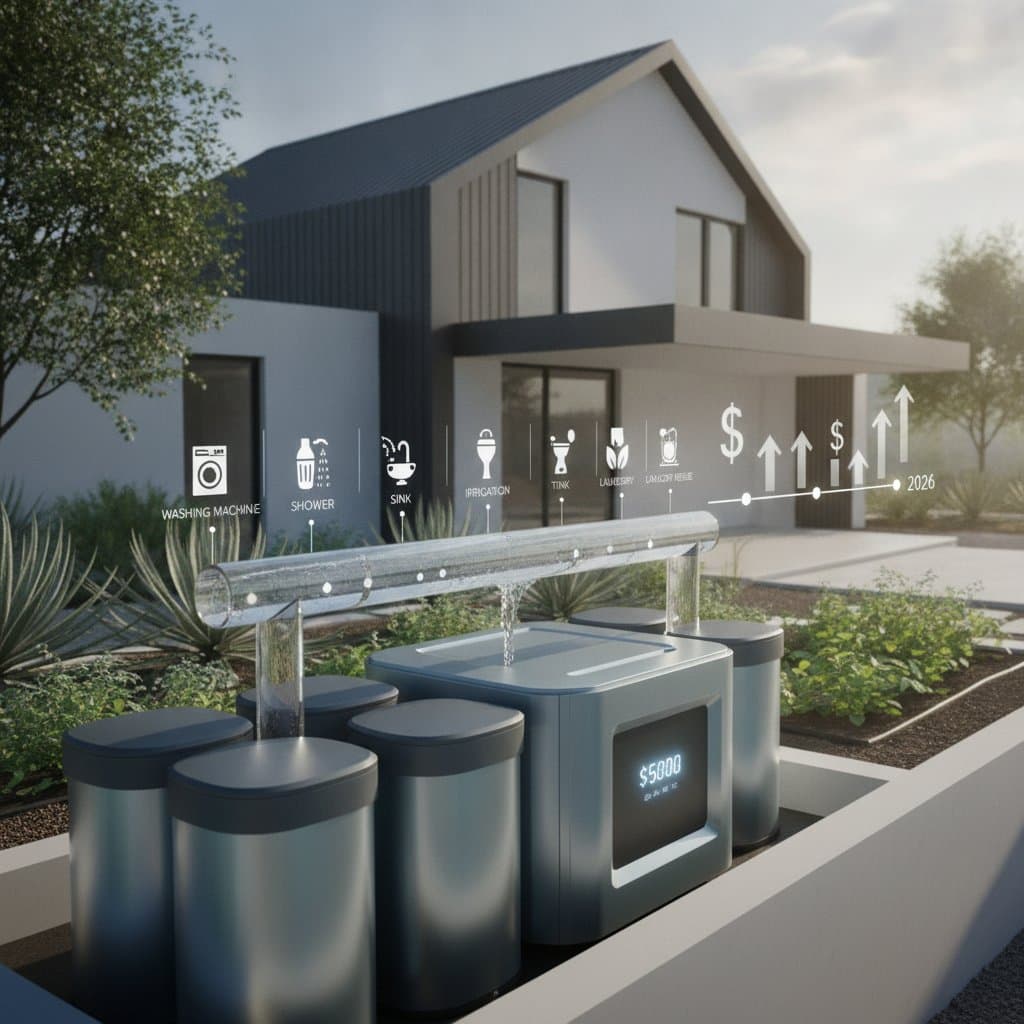
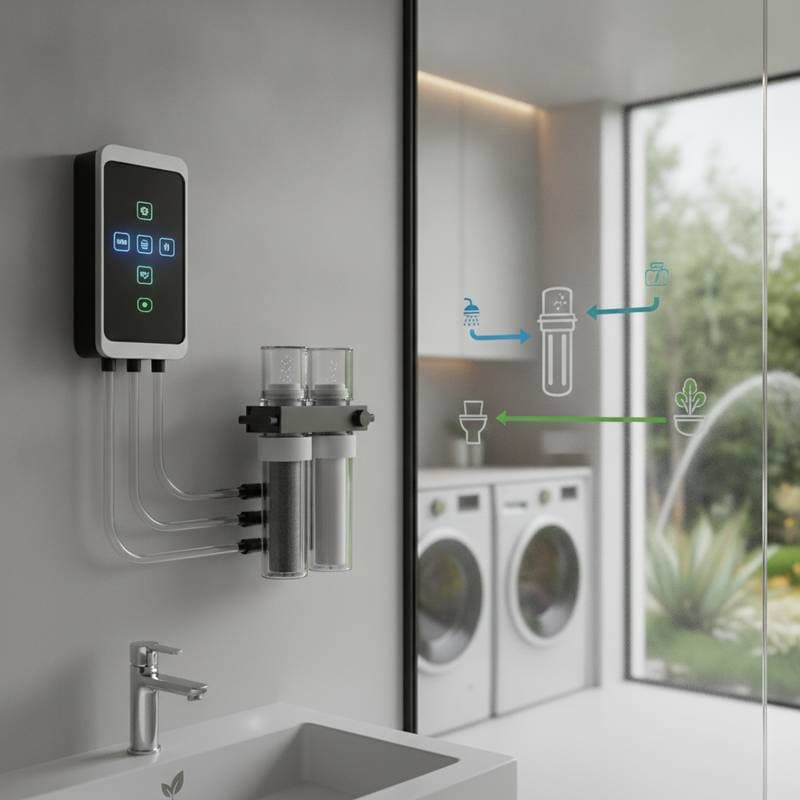
Greywater systems capture lightly soiled water before it reaches the sewer. Filters, biological treatment, and optional disinfection clean the flow. The treated water then serves outdoor irrigation or indoor toilet flushing. A Water Research Foundation analysis shows properly designed systems cut household water demand by up to 40 percent, with the largest gains in dry climates or high-rate districts.
System Categories and Their Trade-offs
Two primary configurations exist.
- Direct diversion routes water through simple piping to garden beds. Basic screens remove lint and hair. These units suit homes with established lawns and require the lowest upfront investment.
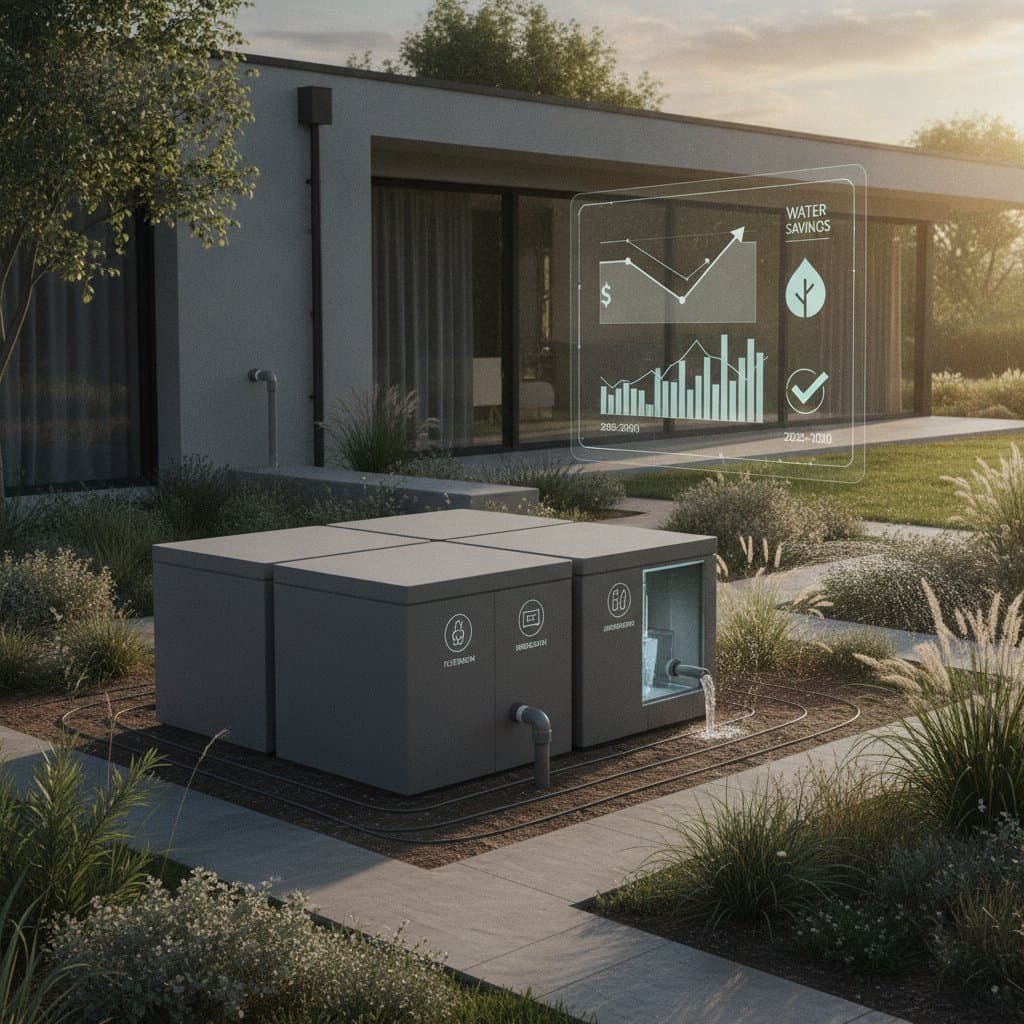
- Treatment and storage units add pumps, tanks, and sensors. They produce water clean enough for toilet flushing and meet stricter health codes. Newer homes often select this option when automation and indoor reuse are priorities.
Installation Cost Ranges
Total price depends on home size, plumbing access, and chosen complexity.
- Basic laundry-to-garden diversion typically matches the cost of a mid-tier appliance. Piping, a diverter valve, and simple filtration form the main expenses.
- Mid-range filtration adds sediment filters and small holding tanks. Expect moderate added cost for parts and labor.
- Advanced treatment systems include larger tanks, pumps, and controls. Multi-story homes or smart-home integrations increase the final figure.
A pre-installation plumbing inspection identifies pipe upgrades early and prevents later change orders.
Permits and Compliance Steps
Local codes dictate whether permits or licensed plumbers are mandatory. Fees remain modest yet protect against fines or forced removal during future inspections. Verify requirements with the building department before ordering equipment.
Ongoing Maintenance Requirements
Filters need cleaning or replacement several times each year. Tanks require annual sediment checks, and pumps benefit from yearly professional review. Direct-diversion setups stay inexpensive to maintain. Treatment systems incur small recurring costs for filters and disinfection supplies. Detailed service logs protect warranties and support higher resale value.
Projected Savings and Payback Periods
Return on investment hinges on local water rates and household habits. Homes facing high utility charges recover costs fastest. Average bill reductions fall between 25 and 40 percent. Properties with large gardens or frequent laundry loads often exceed these figures.
A California sustainable-housing project documented full cost recovery in seven years through combined water and sewer savings. Most long-term residents see positive cash flow after the initial payback window.
Additional Environmental and Practical Gains
Greywater reuse eases demand on municipal supplies and reduces wastewater volumes. Nutrients remaining in the water can improve soil moisture and lower fertilizer needs when applied correctly. During drought restrictions, the system supplies an independent outdoor source.
Professional versus Owner-Installed Options
Simple laundry-to-landscape kits allow competent DIY work. Incorrect slopes or connections, however, create clogs or contamination risks. Indoor reuse always requires licensed installation to satisfy codes and maintain safety.
Selecting Equipment Matched to Property Needs
Map major water sources first, then decide reuse goals. Outdoor irrigation favors direct diversion. Indoor flushing requires full treatment. Choose certified components, energy-efficient pumps, and low-maintenance filters. Local soil and plant data further refine sizing decisions.
Protecting Long-Term Performance
Monthly filter cleaning and leak checks keep systems reliable. Avoid direct application to edible crops unless advanced disinfection is present. Documented greywater installations increasingly appeal to buyers seeking lower operating costs.
Planning Your Next Steps
Evaluate current water bills and garden demands. Obtain local code confirmation, then compare two or three contractor quotes. A correctly sized system begins returning value within the first year of operation and continues to offset expenses for decades.