Whole Home Water Filtration System Costs in 2026
Clean water supports daily health and protects household equipment. Whole home filtration systems treat every tap and appliance at the point where the main supply enters the property. Homeowners gain consistent water quality along with measurable reductions in maintenance and replacement expenses.
System Types and Their Functions
Several configurations address different water conditions. Carbon filters capture chlorine, odors, and organic compounds common in municipal supplies. Reverse osmosis units force water through a membrane to reduce dissolved solids, nitrates, and fluoride. Water softeners exchange calcium and magnesium ions to prevent scale. Ultraviolet units destroy bacteria and viruses, often paired with other stages for well water. Hybrid setups combine two or more of these technologies for broader coverage.
Cost Influences
Water testing reveals the exact contaminants present and prevents overspending on unneeded features. System capacity must match household size and number of bathrooms to preserve pressure. Older plumbing may require extra fittings or rerouting during installation. Filter and media replacement schedules determine annual operating expenses. Certified products from recognized testing organizations carry longer warranties and documented performance data.
2026 Price Ranges
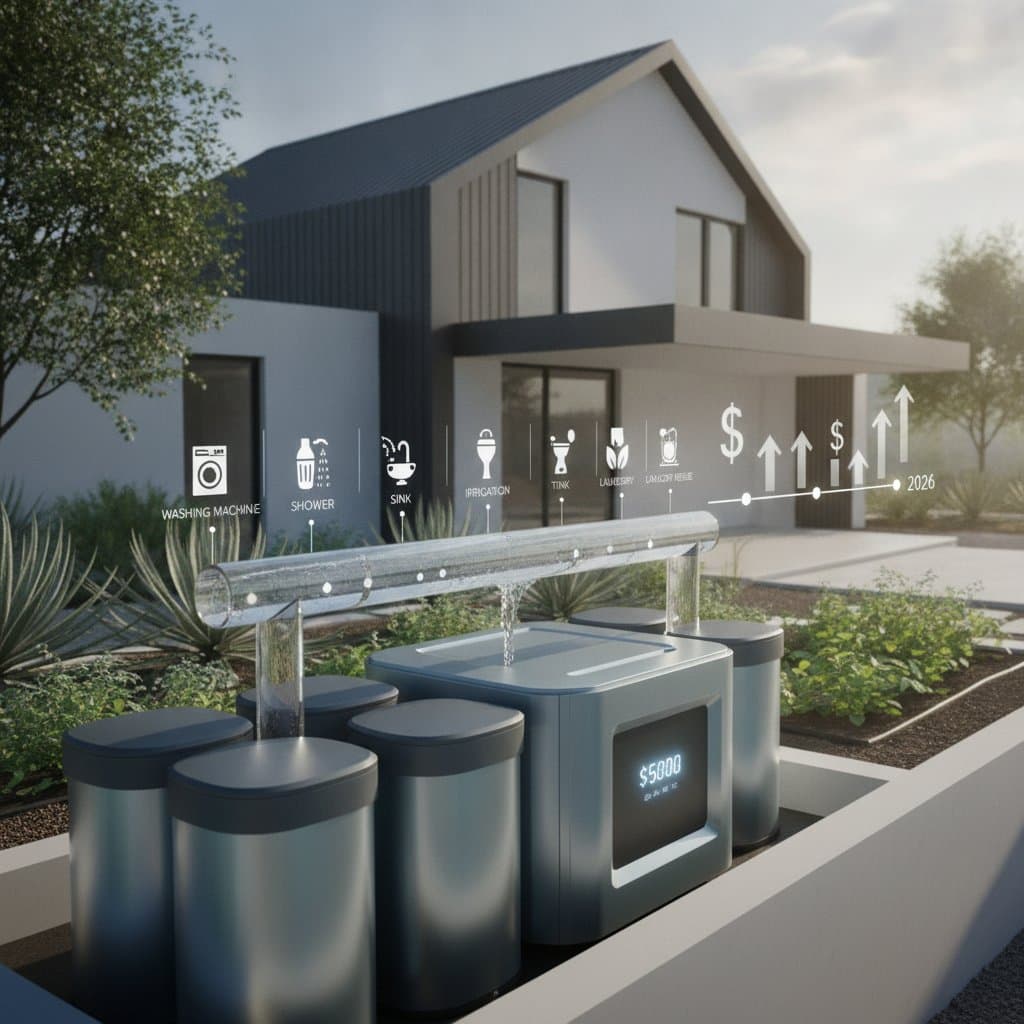
Entry-level carbon units begin near 800 dollars for equipment plus 400 dollars for labor. Mid-level combinations of filtration and softening fall between 1800 and 4500 dollars installed. High-capacity hybrids or reverse osmosis packages for larger homes reach 5500 to 8000 dollars once accessories and permits are included. Annual maintenance averages 250 to 450 dollars depending on cartridge life and local service rates.
Returns Homeowners Can Measure
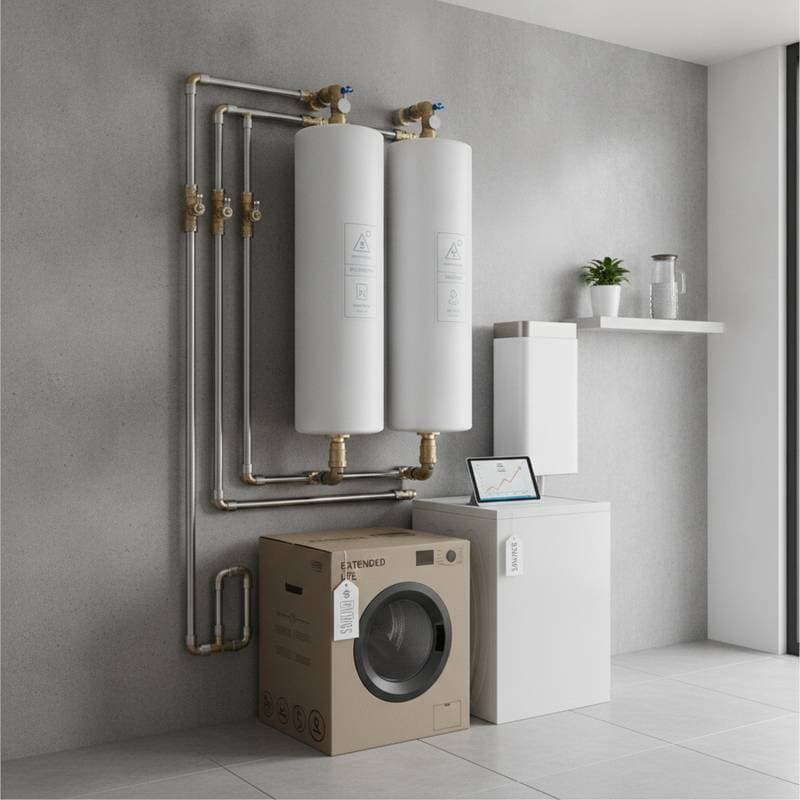
Scale-free water extends the service life of water heaters, dishwashers, and washing machines by two to four years on average. Reduced mineral buildup lowers the frequency of pipe and fixture repairs. Softened water allows up to 30 percent less detergent and cleaning product use. Families often report fewer skin and hair irritations after chlorine removal and stop purchasing bottled water. Properties marketed with whole home filtration frequently receive stronger buyer interest in competitive markets.
Installation Choices
Basic sediment or carbon units can be assembled by experienced homeowners who follow local codes. Complex reverse osmosis or ultraviolet systems benefit from licensed plumbers who verify pressure settings and obtain permits. Professional installation preserves full warranty coverage and provides documented startup procedures.
Ongoing Care Practices
Sediment and carbon cartridges require replacement every six to twelve months. Reverse osmosis membranes typically last two to five years. Ultraviolet lamps need annual renewal. An annual service visit confirms flow rates, checks for leaks, and verifies contaminant reduction levels. Homeowners who log filter changes and inspect fittings monthly keep operating costs predictable.
Long-Term Value
Point-of-use pitchers or faucet filters treat only drinking water and leave appliances unprotected. Repeated cartridge purchases and bottled water deliveries accumulate higher lifetime costs than a single whole home installation. A properly maintained system delivers filtered water at every outlet while shielding plumbing and equipment for years.
Next Steps for Homeowners
Schedule a certified water test to identify priority contaminants. Compare system capacities, warranty terms, and documented maintenance intervals from multiple providers. Select a configuration sized for current household needs and future resale considerations. Consistent filter changes and annual inspections protect both water quality and the original investment.