Greywater Systems Cut Water Bills in Half by 2026
- Confirm alignment between title promises and practical homeowner outcomes
- Expand sparse source material into specific, actionable sections
- Enforce no contractions, standard punctuation, and varied sentence rhythm
- Structure progression from concepts through costs to implementation steps
- Verify word count stays well below 1800 while remaining comprehensive
Greywater systems capture gently used water from showers, sinks, and washing machines for reuse in irrigation and toilet flushing. Homeowners who install these setups often report substantial reductions in municipal water consumption. Such reductions translate directly into lower monthly utility charges.
Understanding Greywater Collection Basics
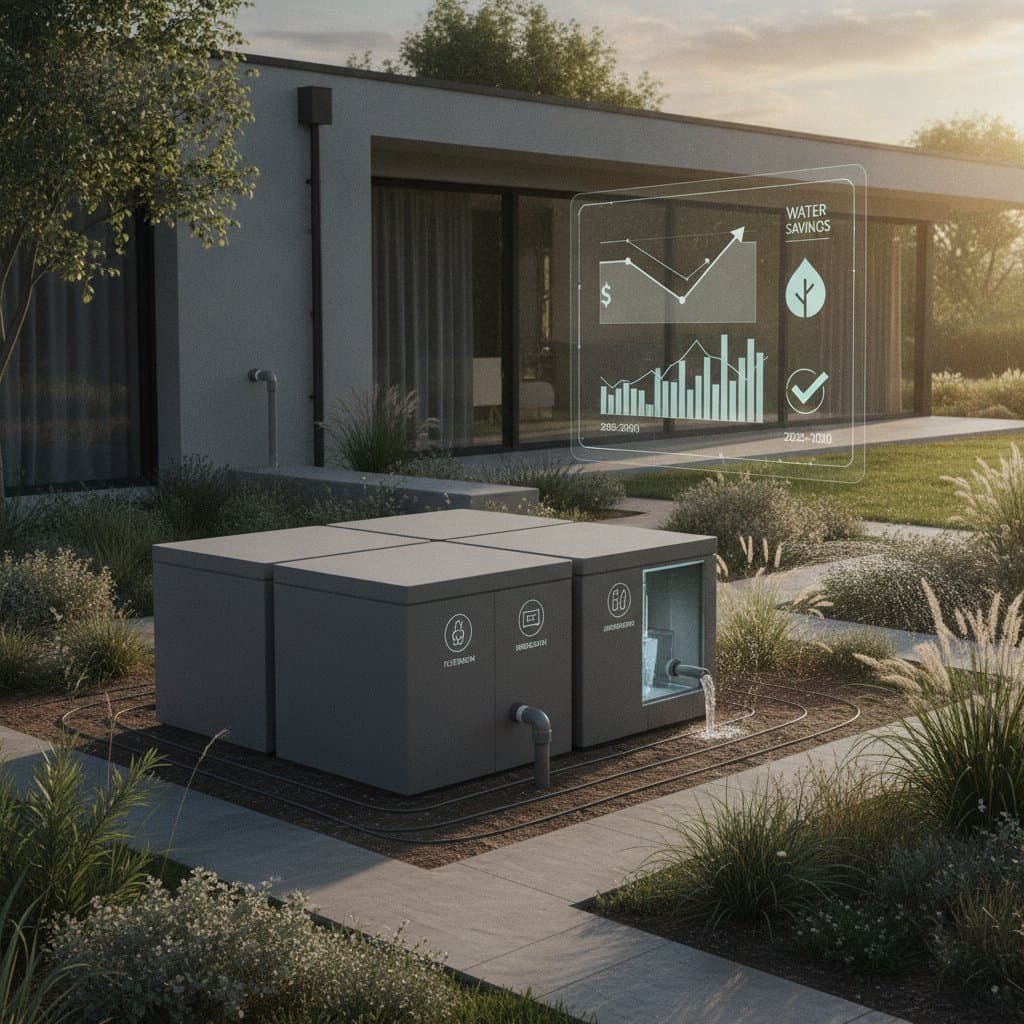
Greywater differs from blackwater because it excludes toilet waste. Collection begins at accessible drain points inside the home. Simple diverter valves or dedicated piping routes the water to a storage tank or treatment unit. Treatment levels range from basic filtration for subsurface irrigation to advanced disinfection for indoor reuse.
Proper system sizing matches household water output with landscape needs. Undersized tanks overflow during peak use. Oversized tanks increase upfront expense without added benefit.
Quantifying Water Savings Potential
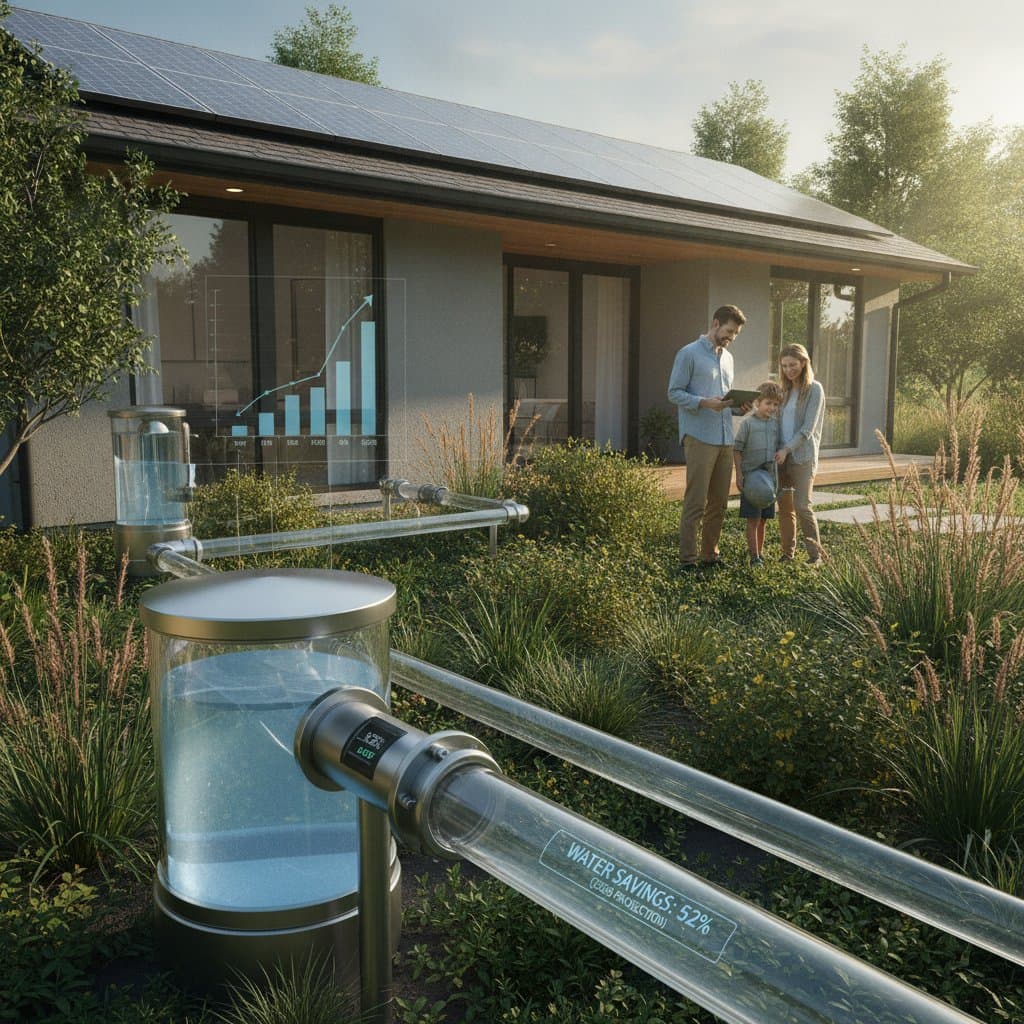
A typical four person household generates 20,000 to 30,000 gallons of greywater each year. Redirecting even half of that volume to irrigation can cut total indoor water use by 30 to 50 percent. In regions with tiered pricing, the savings accelerate once consumption drops below higher rate brackets.
Property value also rises when buyers recognize lower operating costs and built in sustainability features. Real estate listings increasingly highlight water recycling capacity as a selling point.
2026 Installation Cost Ranges
Basic laundry to landscape systems start near 1,500 dollars for materials and professional labor. Whole house setups with filtration, pumps, and controls range from 4,000 to 12,000 dollars. Soil conditions, local codes, and tank capacity drive the final price.
Permitting fees add several hundred dollars in most municipalities. Homeowners who perform permitted portions of the work themselves can reduce labor costs while still meeting inspection requirements.
Rebate Programs and Incentive Structures
Many water utilities offer cash rebates between 500 and 2,000 dollars for verified installations. State tax credits in drought prone areas further offset expenses. Federal energy efficiency programs occasionally include greywater components when paired with rainwater harvesting.
Applicants must submit design drawings and post installation inspection reports. Processing times average four to eight weeks. Early submission before peak spring construction season improves approval odds.
Routine Maintenance Practices
Filters require cleaning every three months to maintain flow rates. Annual tank inspections detect sediment buildup or pump wear. Replacement parts such as valves and seals remain inexpensive and widely available.
Homeowners who keep maintenance logs demonstrate compliance during property sales. Professional service contracts cost 150 to 300 dollars yearly and provide priority response for any operational issues.
Implementation Sequence for Homeowners
- Audit current water bills to establish a baseline consumption figure.
- Map indoor drain locations and outdoor irrigation zones.
- Consult local building departments for code requirements and permit processes.
- Obtain multiple contractor bids that itemize equipment and labor separately.
- Schedule installation during mild weather to protect excavation work.
- Register the completed system with the utility to activate rebate payments.
Protecting Long Term Performance
Regular monitoring of water quality prevents plant damage from excess salts or detergents. Switching to biodegradable, low sodium products extends soil health. Seasonal adjustments to irrigation schedules match changing rainfall patterns.
These practices sustain both the financial return and the environmental contribution of the investment over decades.