Greywater System Costs and Permit Requirements
Recycling water from sinks, showers, and laundry machines can significantly reduce a household water consumption. Greywater systems capture and reuse this lightly used water for irrigation or toilet flushing. Homeowners must understand the full cost picture and the rules that govern such systems before installation.
This guide breaks down installation expenses, maintenance expectations, and permit requirements.
Average Cost of Greywater Systems
The price of a greywater system depends on size, complexity, and whether the project involves new construction or a retrofit. Material quality, filtration type, and local labor rates also influence the final cost.
Here is a breakdown of typical expenses:
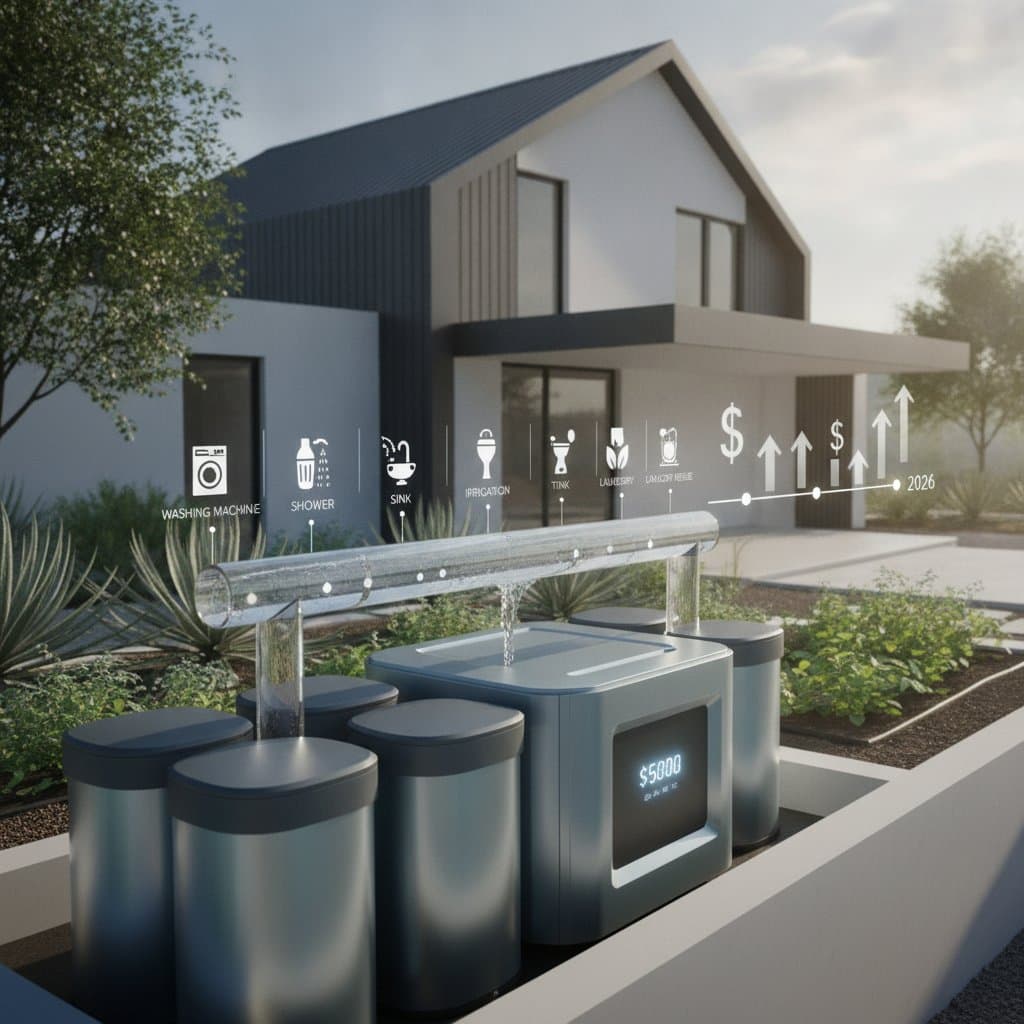
- Simple laundry-to-landscape systems redirect washing machine discharge directly to outdoor irrigation zones through a basic filter. These options often cost between $700 and $2,000.
- Whole-house gravity systems handle multiple fixtures and distribute water to larger yard areas. Expect a range of $2,500 to $6,000, including piping, valves, and basic filters.
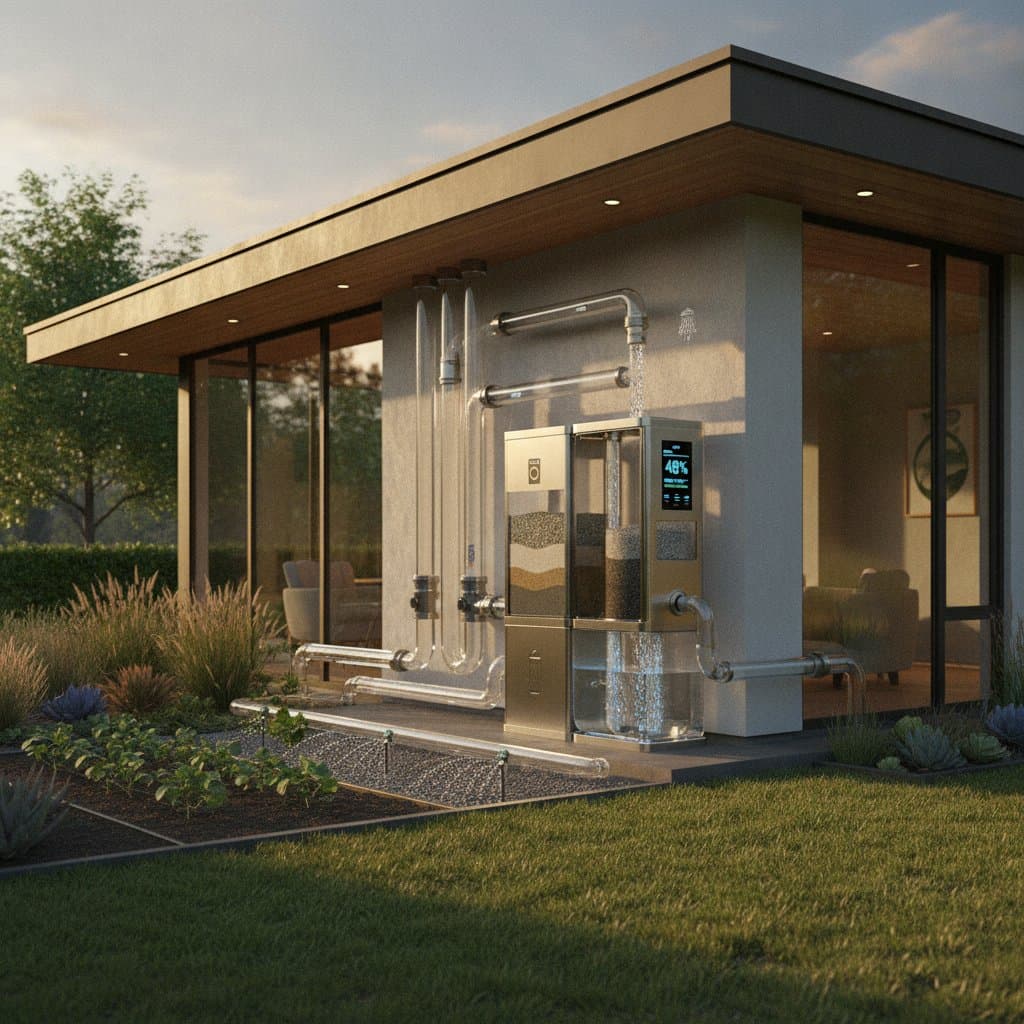
- Advanced pumped or filtered systems suit homes with complex layouts or elevation differences. Costs rise to $7,000 to $15,000. These include storage tanks, UV sterilizers, and high-grade filters.
- Commercial-grade or integrated smart systems exceed $20,000 when combined with rainwater harvesting, automated irrigation, and remote monitoring.
Professional installation typically adds $1,000 to $4,000 depending on labor rates and plumbing access. Retrofitting older homes can cost 20 to 40 percent more than new construction because walls and floors may need opening for new plumbing lines.
Factors That Influence Cost and Design
Several elements determine both system cost and permit complexity. Regional water laws may restrict or prohibit greywater use for certain purposes. Soil type and landscape features matter because clay soils require more elaborate irrigation to prevent pooling.
System scale affects design choices. A small system may serve a single garden zone while a large one supplies water for the whole property. Building layout plays a role too. Multi-story homes or those with finished basements often need extra plumbing to reroute water lines. Quality of filtration also matters. Basic filter units cost far less than biological or UV disinfection systems but may limit reuse options.
Installation Timeline and What to Expect
A small greywater system can be installed in one or two days. Larger plumbed-in systems may take up to a week depending on trenching, electrical connections, and permit inspections. The general timeline includes design and permit application, which requires one to three weeks for review and approval. Installation follows and lasts one to five days depending on site access. Inspection and testing usually finish within a few days after installation.
During installation expect temporary disruption to water service and minor landscape disturbance. Clear communication with the installer helps avoid delays especially when trenching or electrical work is required.
Safety and Environmental Considerations
Greywater reuse remains safe when handled properly. Never use greywater for edible plant foliage unless it has been disinfected. Use only low-sodium biodegradable soaps and detergents. Keep greywater below the soil surface to prevent mosquito breeding. Avoid storing untreated greywater longer than 24 hours to prevent bacterial growth.
Most modern systems include automatic diversion valves that redirect water to the sewer during failure or overflow. This safety feature protects both the user and the environment.
Comparing Greywater to Other Water-Saving Options
Greywater systems form one of several strategies to reduce household water use. Rainwater harvesting captures roof runoff for outdoor use but depends on rainfall patterns. Low-flow plumbing fixtures reduce consumption without extra maintenance yet offer smaller savings. Smart irrigation controllers adjust watering schedules automatically but still rely on potable water.
A greywater system provides consistent water reuse regardless of weather. When combined with efficient fixtures and smart irrigation it can cut total water bills by up to half.
Ongoing Care for Reliable Operation
Schedule annual inspections particularly before the dry season when irrigation demand rises. Clean filters before they clog and test valves to confirm smooth operation. If reduced flow or cloudy water appears act quickly by flushing lines or replacing filters. Homeowners who track greywater output often find small issues before they escalate. Keeping a maintenance log helps you stay organized and supports future rebate applications or home sales.