Understanding Greywater Systems
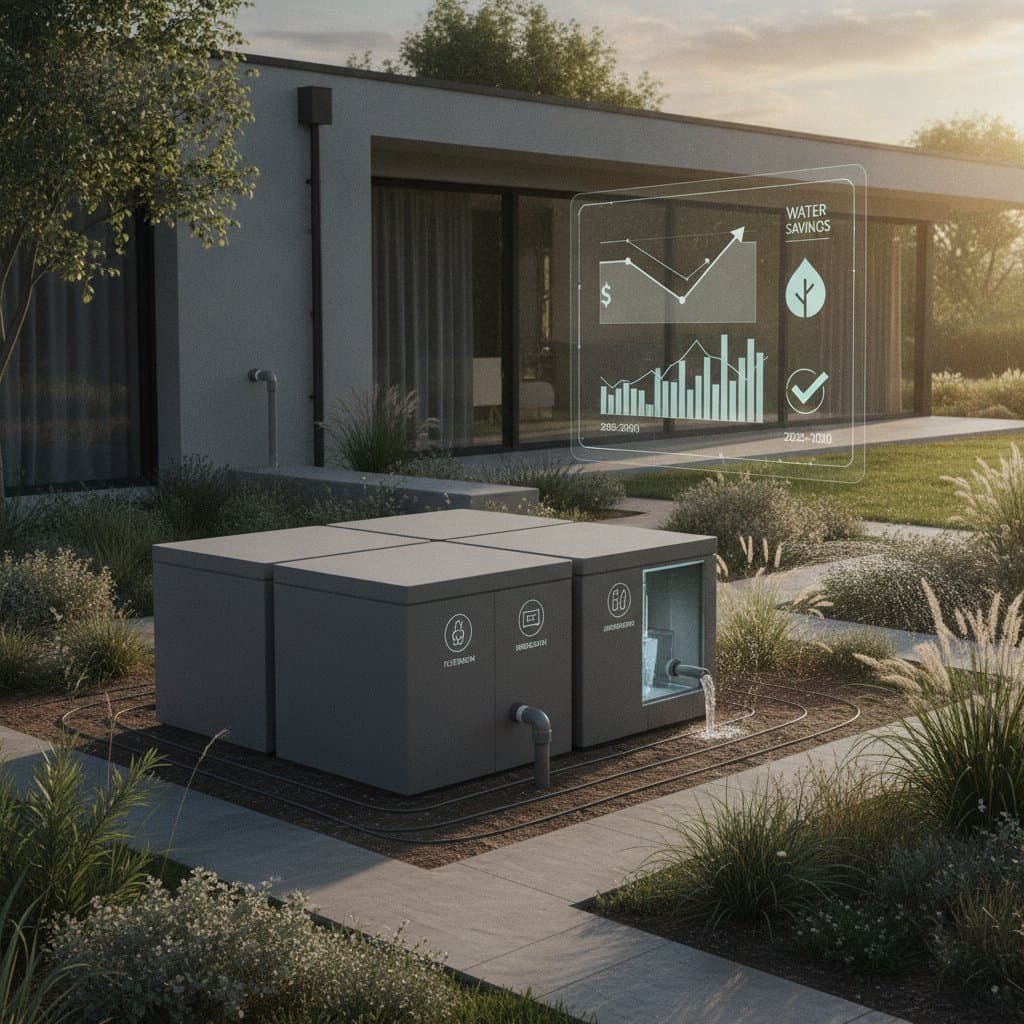
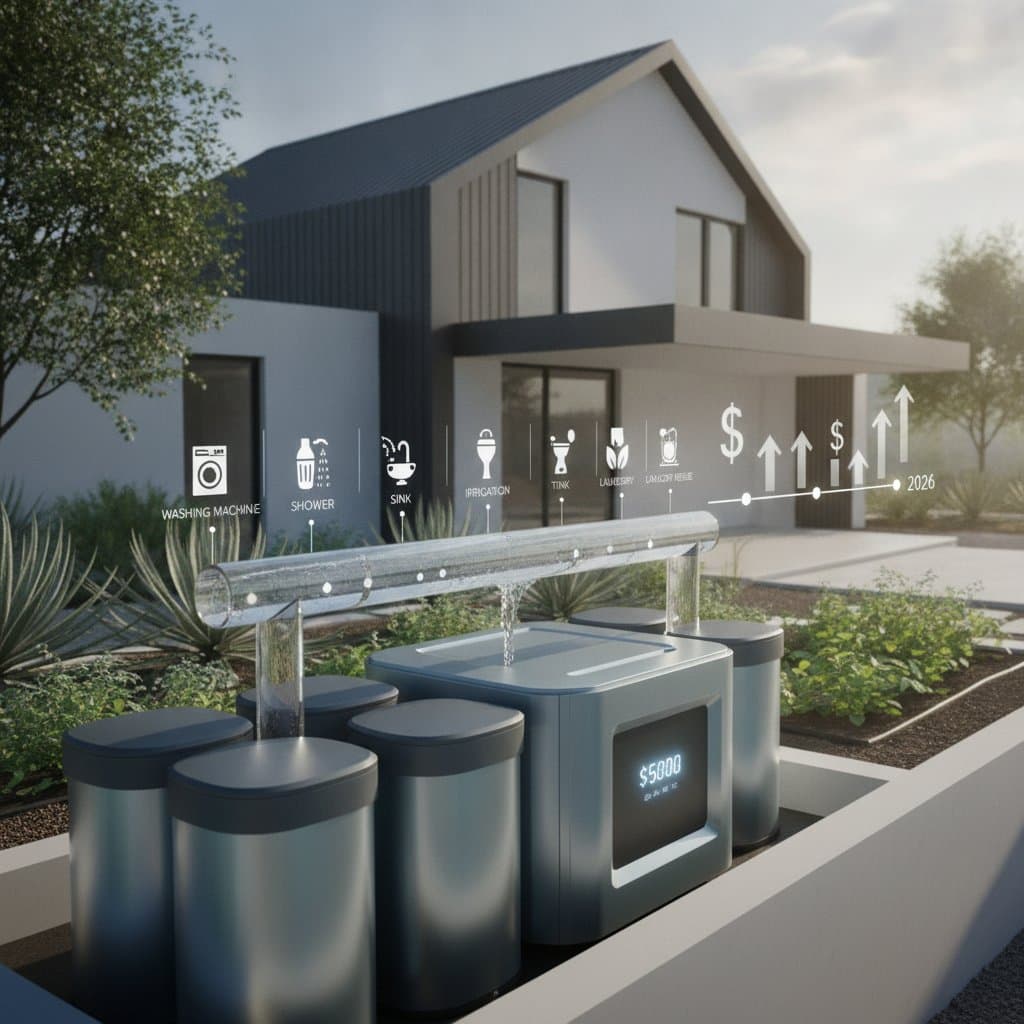
Greywater systems capture and reuse water from sinks, showers, and washing machines for irrigation or toilet flushing. These setups reduce demand on municipal supplies while lowering monthly utility expenses. Homeowners who evaluate system types early gain clearer expectations about both upfront costs and ongoing performance.
Types of Systems and Associated Costs
Simple laundry to landscape systems represent the most affordable entry point. These divert washing machine output through basic filtration and piping, with total installation expenses ranging from 1500 to 4000 dollars depending on home layout and soil conditions. More comprehensive branched drain designs distribute water from multiple fixtures and typically cost between 4000 and 8000 dollars.
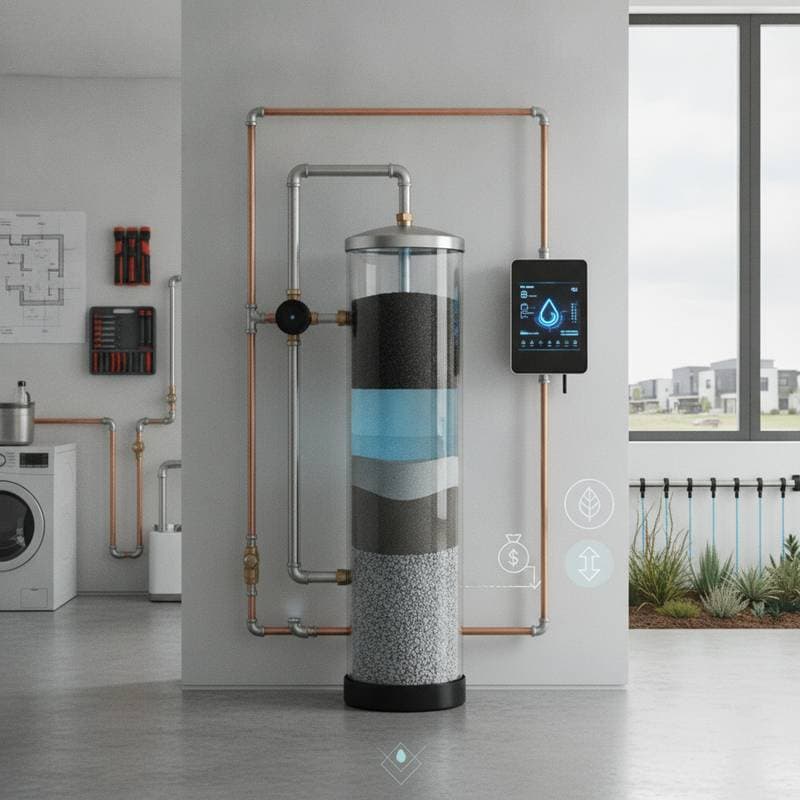
Whole house systems that include pumps, advanced filtration, and storage tanks require larger investments. Expect prices from 8000 to 15000 dollars for professionally installed units that serve irrigation, toilet flushing, and additional reuse applications. Regional labor rates and material choices influence final figures more than equipment alone.
Key Factors That Influence Total Expenses
Property size, soil permeability, and climate determine how much piping and filtration capacity a system needs. Urban lots with limited outdoor space often require compact designs that raise material costs. Rural properties with ample garden area can accommodate simpler gravity fed solutions at lower prices.
Local regulations add another layer of expense. Some municipalities require licensed contractors and specific backflow prevention devices. These requirements can increase project budgets by 20 to 40 percent compared with areas that allow homeowner installation of basic systems.
Permits, Codes, and Compliance Steps
Contact the local building department before purchasing equipment. Most jurisdictions classify greywater systems as plumbing alterations that need inspection and approval. Submit site plans showing pipe routes, filtration methods, and discharge locations to avoid rework after installation begins.
Health codes frequently restrict greywater use to subsurface irrigation. Surface spraying or direct vegetable garden application may be prohibited. Confirm these limits early to select a compliant design that avoids future fines or mandatory removal.
Calculating Long Term Savings and Incentives
Water bill reductions vary with household size and local rates. A typical family of four can save 15000 to 30000 gallons annually, translating to 200 to 600 dollars in yearly savings. Over a decade these amounts offset a substantial portion of initial installation costs.
Many utility districts and state agencies offer rebates that cover 500 to 2500 dollars of qualified greywater projects. Review program guidelines for required documentation and contractor licensing before work starts. Combining rebates with reduced water consumption accelerates payback periods.
Planning and Installation Sequence
Begin with a water audit that identifies fixture output volumes and outdoor irrigation needs. Next, obtain three contractor bids that itemize equipment, labor, and permit fees separately. Schedule installation during dry seasons when excavation and trenching proceed more efficiently.
After completion, request final inspection and retain all documentation for warranty and resale purposes. Establish a maintenance schedule that includes filter cleaning and periodic pipe flushing to sustain system performance.
Evaluating the Return on Investment
Greywater systems deliver measurable water conservation alongside reduced utility costs. Homeowners who align system scale with actual reuse opportunities achieve the strongest financial and environmental outcomes. Careful planning around local codes and site conditions ensures reliable operation for years after installation.