Greywater System Costs: Diversion vs Treatment Options
Greywater systems capture water from showers, baths, and laundry for reuse in irrigation or toilet flushing. These setups reduce household water consumption and lower monthly utility bills while supporting sustainable landscaping. Costs vary widely based on system complexity, local labor rates, and whether homeowners pursue simple diversion or full treatment designs.
Cost Breakdown by System Type
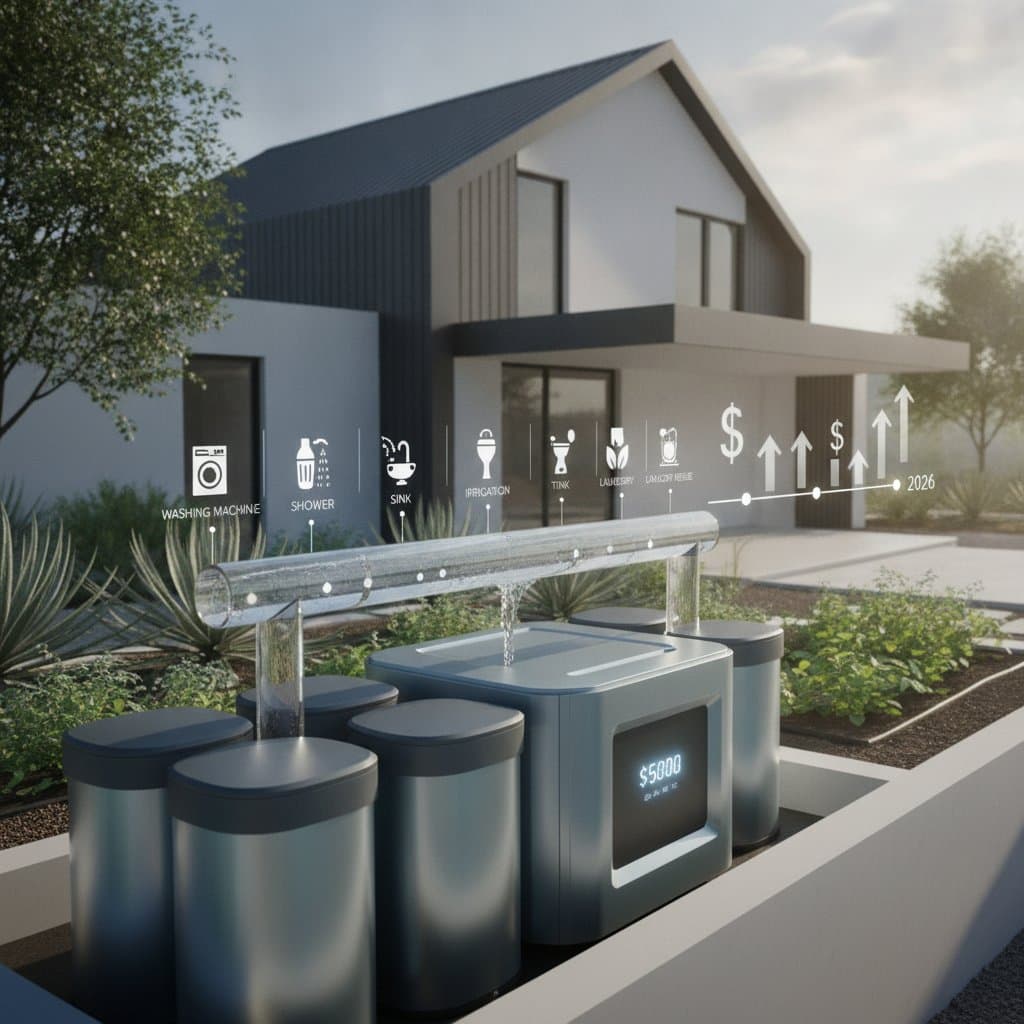
Basic diversion systems that route laundry or shower water directly to garden beds typically range from 300 to 1500 dollars for materials and basic components. These setups rely on gravity flow and require minimal equipment such as diverter valves and distribution pipes.
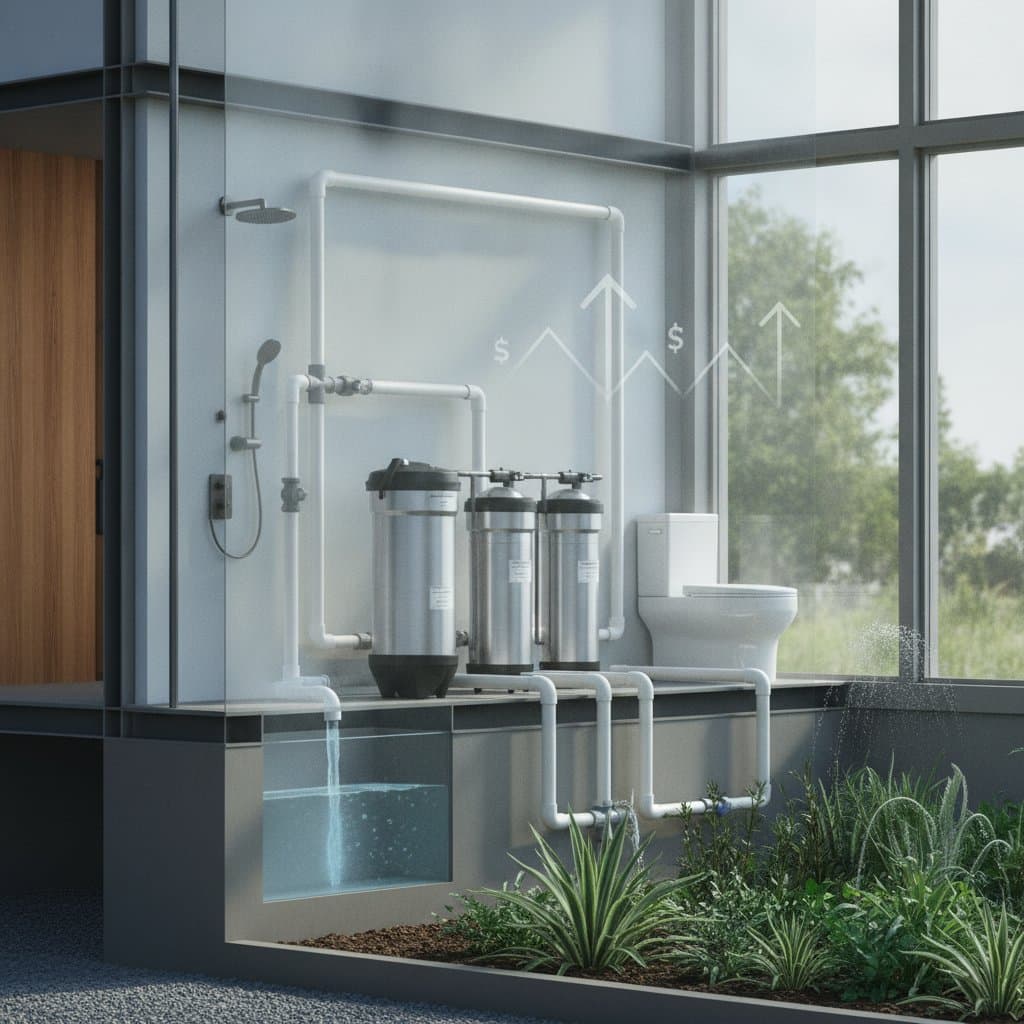
Treatment and storage systems that filter, disinfect, and hold water for indoor reuse or pressurized irrigation cost between 3000 and 10000 dollars. Prices depend on tank capacity, automation features, and the need for pumps or advanced filtration units. Labor often accounts for half of the total project budget, though homes with accessible plumbing lines or existing irrigation infrastructure can reduce installation expenses.
Homeowners should budget an additional 100 to 300 dollars per year for routine maintenance and inspections. Adding sensors, backup pumps, or multi-stage filters increases upfront costs but improves reliability and water quality over time.
Permit Requirements and Local Regulations
Most jurisdictions require permits for any greywater installation that modifies household plumbing. Building departments review plans to prevent cross-contamination with potable lines and to protect neighboring properties from drainage issues.
Permits commonly address three areas. Officials first approve system design to verify proper separation of water lines. Installers must then schedule inspections before the system becomes operational. Treatment systems often need periodic verification that filters and disinfection units continue to function correctly.
Certain municipalities waive full plumbing permits for simple laundry-to-landscape systems when discharge remains on the property and meets basic health standards. Other areas demand engineered drawings, soil tests, and backflow prevention assemblies. Contact the local building department before purchasing components to avoid redesign costs.
Choosing Between DIY and Professional Installation
Experienced homeowners can complete basic diversion projects when the laundry area sits close to the garden and the site allows natural drainage. Success depends on understanding pipe slopes, valve placement, and local code restrictions.
Professional installation becomes necessary for any system that includes pumps, underground tanks, or filtration equipment. Licensed plumbers ensure code compliance and minimize risks of leaks or contamination. Homeowners who use certified contractors typically encounter fewer service calls during the first several years of operation.
Ongoing Maintenance Practices
Regular upkeep keeps greywater systems safe and extends equipment life. Clean filters monthly and flush distribution lines to remove lint or soap residue. Check all fittings for leaks and monitor for odors that may signal drainage problems or filter clogs.
Pumps and valves last longer when serviced according to manufacturer schedules. Consistent attention prevents costly repairs and maintains consistent water quality for irrigation use.
Planning Your Greywater Installation
Begin by measuring average daily greywater volume from showers and laundry. Match this volume to a system sized for your landscape needs and local climate conditions. Obtain cost estimates from at least two licensed installers and review current permit fees with the building department.
A properly designed and maintained greywater system converts routine household water into a reliable resource for gardens and reduces demand on municipal supplies.