Greywater Recycling Costs and Permits for Sustainable Homes
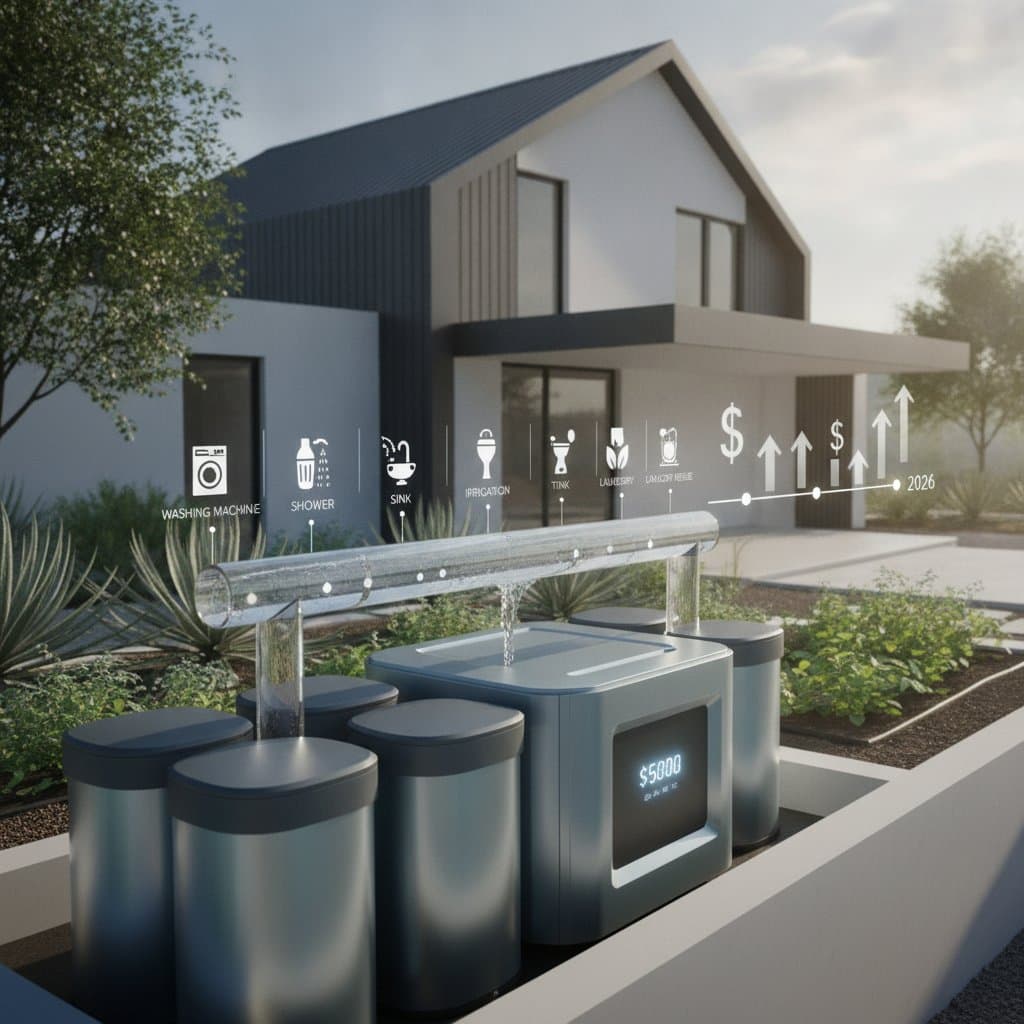
Homeowners looking to cut water bills and live more sustainably are turning to greywater recycling systems. These setups reuse lightly used water from sinks, showers, and laundry for irrigation and toilet flushing. They can reduce freshwater use by as much as half, which is especially valuable in dry regions or cities with high utility rates.
Installing a greywater system requires an understanding of costs, permits, and maintenance needs. Some homeowners choose simple DIY systems, while others invest in fully automated units that integrate with existing plumbing. The right choice depends on household size, local water rules, and long-term priorities.
Cost Breakdown for Greywater Systems
The total cost of a greywater system depends on its complexity, the type of home, and the level of automation. Homeowners can expect a range of price points that reflect different goals.
1. Basic Laundry-to-Landscape Systems
This is the simplest and most affordable option. It diverts water from the washing machine directly to outdoor plants without storage. Materials usually include hoses, valves, and filters.
- Typical cost range: 600 to 2,000 for equipment and installation
- DIY potential: High, since it can be installed without major plumbing work
- Maintenance: Minimal, mainly cleaning filters and checking valves
2. Gravity-Fed Shower Systems
These redirect shower or bathtub water to garden areas. They require routing pipes through walls or floors, which may involve professional labor.
- Typical cost range: 1,500 to 4,000 total
- DIY potential: Moderate, depending on access to plumbing lines
- Maintenance: Cleaning filters and ensuring no blockages in lines
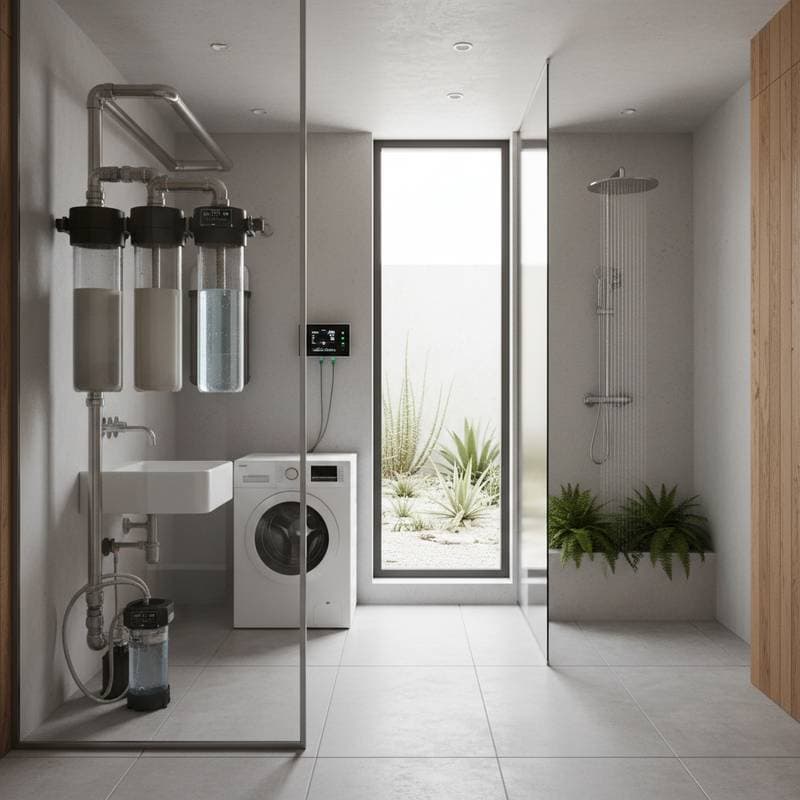
3. Pumped and Filtered Systems
Larger homes or those wanting to reuse greywater for toilets and irrigation often install pumped systems with filtration and disinfection.
- Typical cost range: 4,000 to 10,000 or more
- DIY potential: Low, since permits and professional plumbing are usually required
- Maintenance: Regular filter changes, pump checks, and water quality testing
4. Fully Integrated Recycling Units
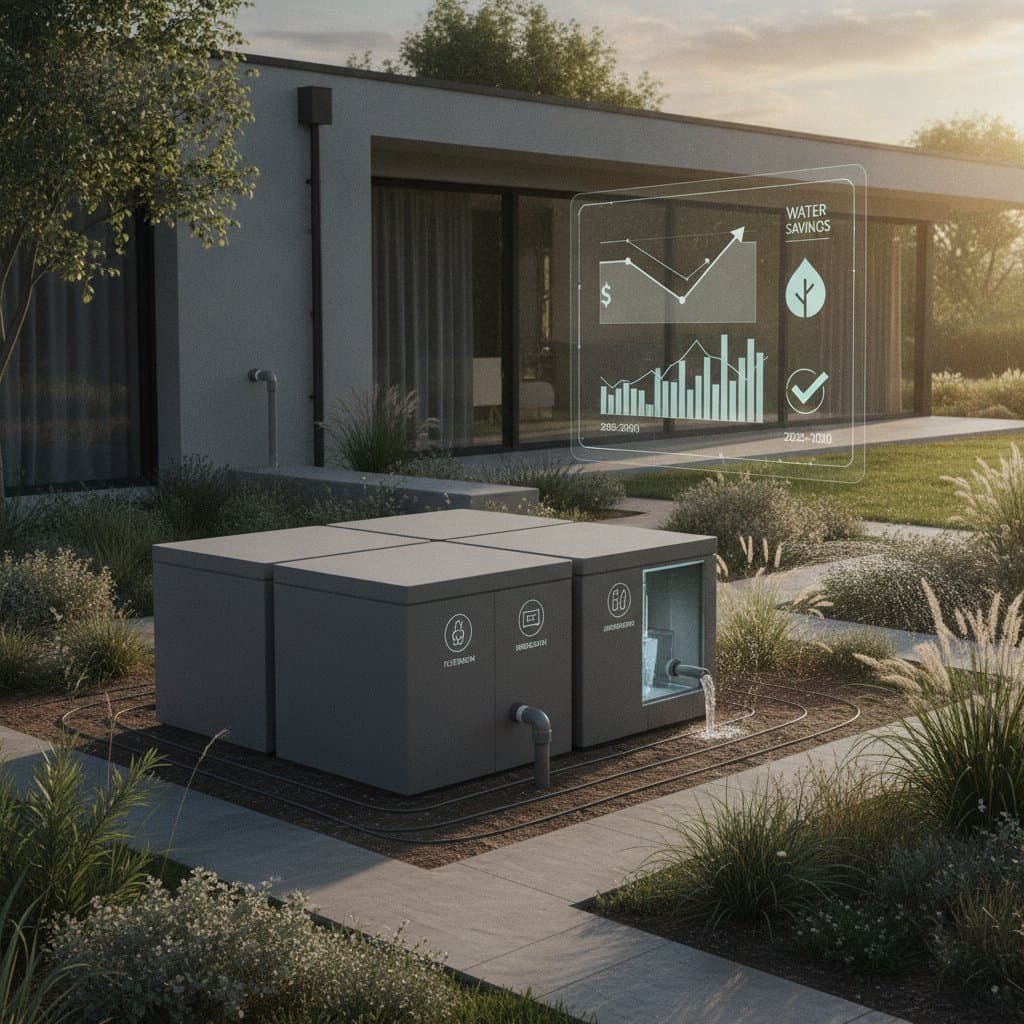
These systems connect to the home main plumbing and automatically treat and distribute greywater. They use sensors and compact treatment modules similar to those in commercial buildings.
- Typical cost range: 8,000 to 20,000, depending on design and brand
- DIY potential: None, as these require certified installation
- Maintenance: Professional servicing every few months
Homeowners report that a well-maintained system can pay for itself through water savings in about five to seven years, depending on local rates and usage levels.
DIY vs. Professional Installation
Choosing between a DIY project and hiring a professional depends on skill level, budget, and system type.
DIY installation works best for laundry-to-landscape systems, homes with accessible plumbing and outdoor space, and owners comfortable with basic plumbing and soil grading. A DIY approach can save up to 50 percent in labor costs. Many instructional videos and guides are available from sustainability organizations and online communities.
Professional installation is required for systems that store or treat greywater, homes using pumps or pressurized distribution, and installations connected to toilets or indoor fixtures. Licensed plumbers ensure the system meets code, uses approved materials, and connects safely to existing plumbing. While professional installation costs more, it prevents costly mistakes and ensures compliance with local regulations.
Financial Incentives and Rebates
Many regions now offer rebates or tax credits for installing greywater systems. Local water agencies encourage reuse to ease pressure on municipal supplies.
Programs often cover partial reimbursement for system installation, reduced permit or inspection fees, and discounts on water-efficient landscaping materials. Check with your local utility or environmental department for available programs. Some homeowners combine greywater systems with rainwater harvesting to qualify for broader sustainability incentives.
Preventing Future Issues
Even well-planned systems can develop problems if neglected or improperly designed. Common issues include pipe clogs, foul odors, or uneven water distribution.
To avoid these problems use biodegradable soaps and detergents with low sodium and phosphate content. Inspect filters monthly and replace them when needed. Keep distribution areas free of pooling water to prevent mosquitoes. Schedule professional checkups for complex systems at least once a year.
If odors persist or plants show signs of distress, stop reuse immediately and inspect the system. Many homeowners share troubleshooting tips in online forums where licensed plumbers often comment on best practices.
Maintaining Your Investment
Installing a greywater recycling system is a commitment to both sustainability and long-term savings. While upfront costs and permits may seem daunting, the payoff comes through lower water bills, healthier landscapes, and a smaller environmental footprint.
Homeowners who plan carefully, follow local codes, and maintain their systems regularly see the best results. Greywater reuse is not just a trend but a practical approach to managing household resources responsibly.
By understanding your local regulations, selecting the right system, and budgeting for maintenance, you can turn everyday wastewater into a valuable resource that supports a more efficient and resilient home.