Greywater System Costs: Bathroom to Garden Savings
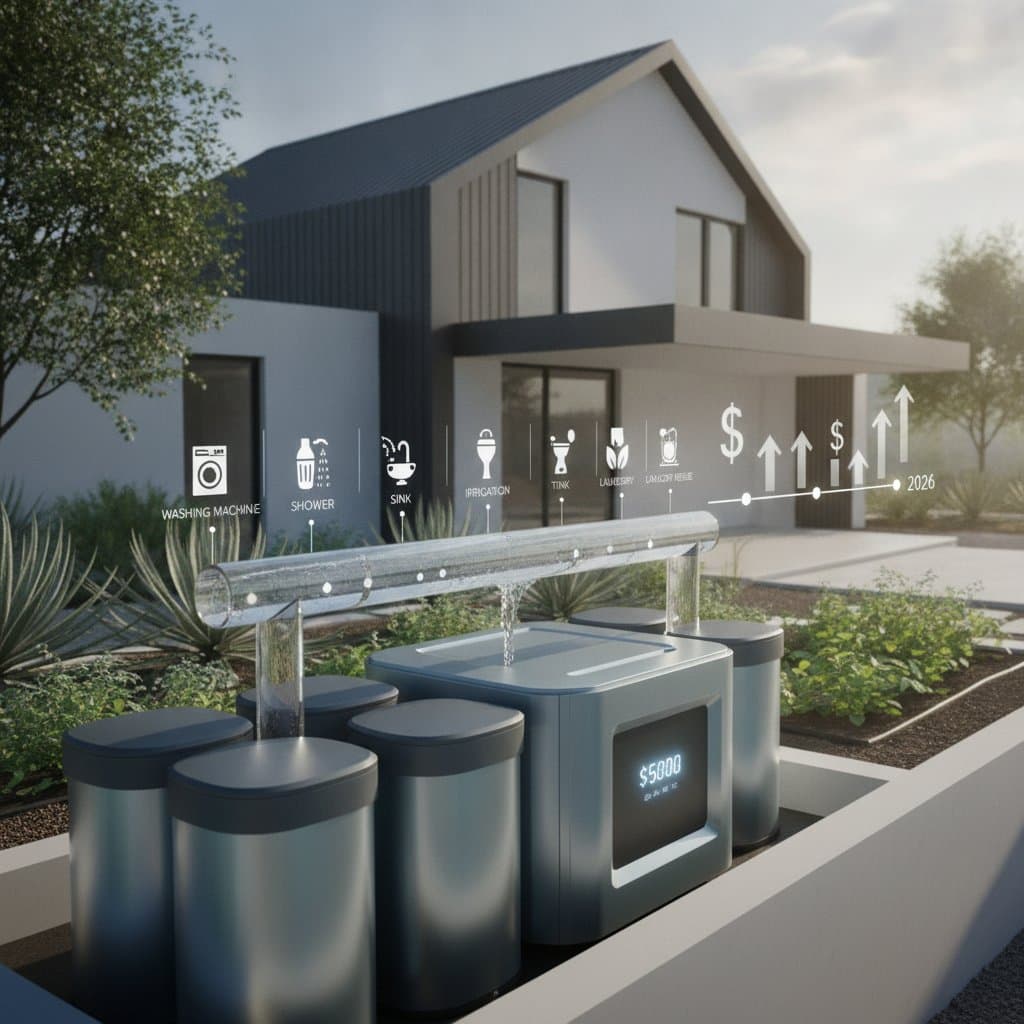
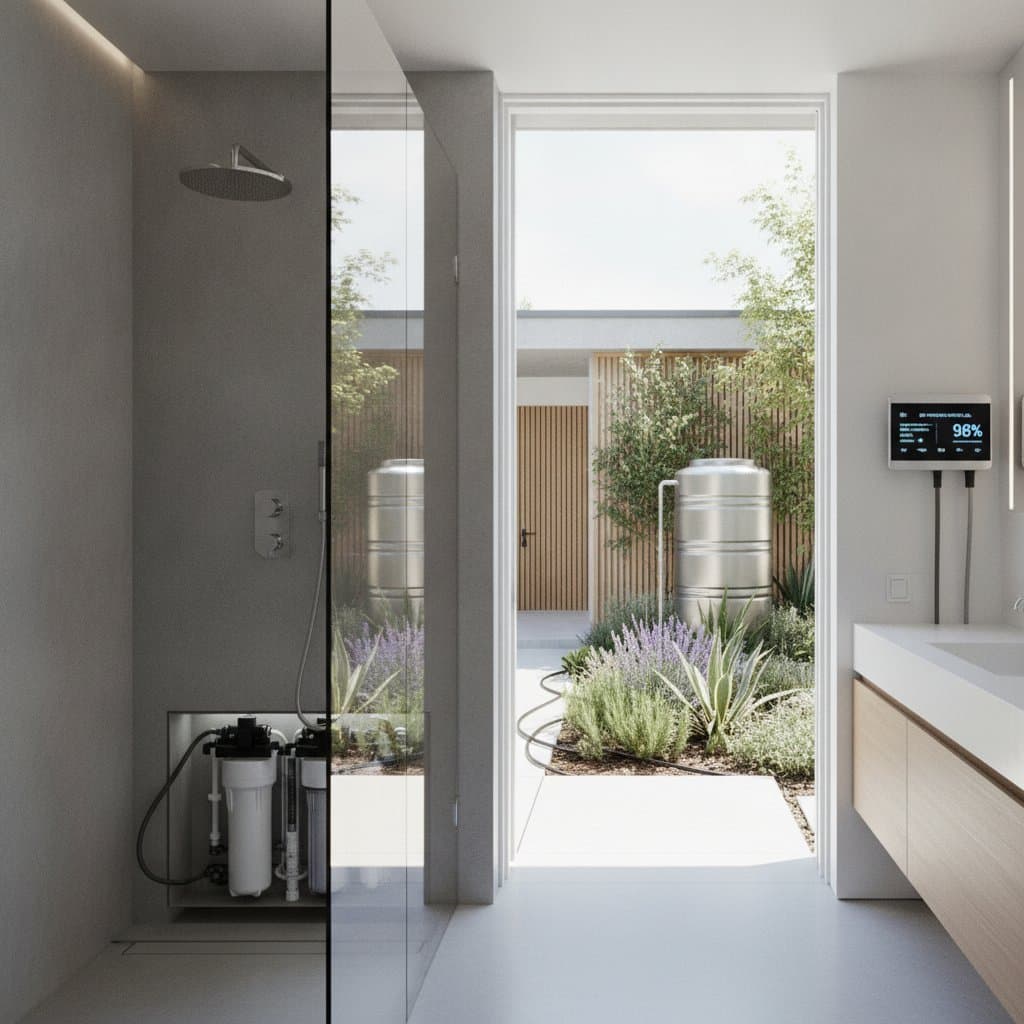
Greywater systems collect and reuse lightly used water from showers, sinks, and washing machines. Instead of sending this water into the sewer, it can be filtered and redirected for irrigation, toilet flushing, or other non-drinking uses. Installing a system like this can save money on water bills and support sustainable living.
Understanding the costs, pricing structures, and key factors that influence pricing helps homeowners plan effectively.
Pricing Models and Structures
Greywater professionals use several pricing models that depend on project scale and client preferences.
Hourly rates are common for small retrofits or repair work. Licensed plumbers typically charge between 75 and 150 dollars per hour. Greywater system specialists often charge slightly more due to their niche expertise.
Flat fees are more common for full system installations. This approach gives homeowners a predictable cost based on system size and complexity.
Per unit pricing applies when multiple greywater units are installed across different zones or buildings. Each unit might cost between 1,000 and 3,000 dollars, depending on capacity.
Some companies offer bundle pricing that includes design, installation, and post install inspection. These packages can save 10 to 20 percent compared to hiring separate contractors.
Subscription models are emerging in some markets. These include ongoing maintenance, filter replacements, and performance monitoring for a monthly fee ranging from 20 to 80 dollars. Homeowners who value convenience or regulatory compliance often choose this approach over one time installation.
Key Variables Influencing Greywater Pricing
Several variables influence total project cost. Understanding each helps homeowners make informed decisions.
The scope or size of the project affects both material and labor costs. The number of fixtures connected to the system determines pipe length, filtration capacity, and installation time.
Complexity and required skill level also matter. Homes with older plumbing layouts or limited crawl space may require additional labor. Projects in multi level homes cost more because of vertical piping and pump requirements.
Time required for completion varies. A small retrofit might take a single day. A full system for a large property could take a week or more. Labor rates multiply quickly with project duration.
Materials or equipment needed add to total cost. Tanks, filters, pumps, and irrigation lines each contribute. Stainless steel or high density polyethylene tanks cost more but last longer.
Add on Services and Supplemental Charges
Greywater system installation often involves optional or necessary add ons that can raise costs.
Filtration upgrades improve water quality and reduce maintenance frequency. Advanced filters can add between 300 and 700 dollars to the total cost.
Storage tank installation allows greywater to be saved for later use. This feature proves helpful during dry periods. Tanks range from 800 to 2,500 dollars, depending on size and material.
Automated control systems that use sensors and timers can cost between 500 and 1,200 dollars. They offer convenience and water use optimization.
Expedited installation or priority service can add 10 to 25 percent to the total cost if the homeowner needs the system completed quickly.
Some providers also charge for permit handling, inspection coordination, and post install maintenance. These services can total between 200 and 600 dollars.
Expert Insights and Market Benchmarks
About 65 percent of homeowners who install a greywater system recover their investment through reduced water bills within five to eight years. Certified environmental engineer Dana Ruiz noted that greywater reuse systems have matured to a point where maintenance is simpler and performance is more predictable.
A national plumbing survey found that average installation times range from two to four days for mid range systems. Customer satisfaction ratings exceed 90 percent for systems that include automated filtration.
Homeowners in drier regions often see faster returns because irrigation costs are higher. In temperate regions, the savings come more from reduced utility bills and less strain on septic systems.
Sustainable and Value Driven Options
Sustainability conscious consumers can choose eco friendly system designs that use gravity fed distribution rather than electric pumps. These designs lower both energy use and maintenance costs. Systems built with recycled plastic tanks or biodegradable filters often qualify for local rebates or tax incentives.
Insurance and certification also influence pricing. Contractors certified by plumbing or environmental boards may charge a premium. These professionals tend to deliver more reliable results. Some companies provide satisfaction guarantees or maintenance contracts that include annual inspections, filter replacements, and system cleaning.
For households considering long term value, comparing total cost of ownership rather than upfront price is wise. A cheaper system may require frequent repairs. A high quality installation can operate efficiently for decades with minimal upkeep.
Implementing Your System
Homeowners interested in installing a greywater system should start by assessing their property layout and water usage patterns. Gathering at least three quotes from licensed installers provides a realistic price range. Each quote should detail materials, labor, permits, and maintenance expectations.
Before signing a contract, ask providers about warranty coverage, local code compliance, and available rebates. Some utilities offer partial reimbursements for water saving installations.
Proper maintenance keeps costs down over time. Cleaning filters every few months and inspecting pipes for blockages prevents costly repairs. Scheduling an annual check by a professional ensures the system remains safe and efficient.
Greywater systems represent a practical investment in both sustainability and household efficiency. By understanding pricing structures and cost variables, homeowners can make informed choices that conserve resources, reduce monthly bills, and create a more resilient home environment.