2026 Greywater System Costs and Savings for Homeowners
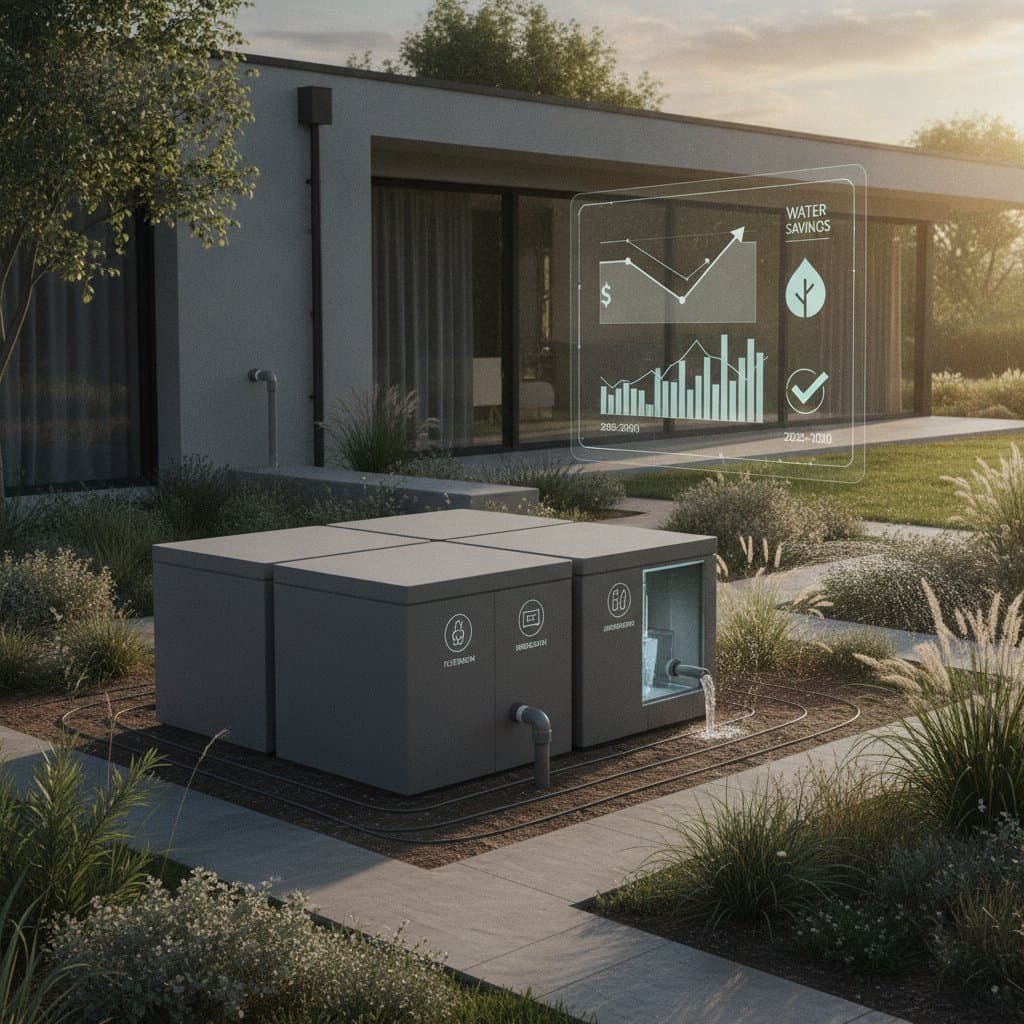
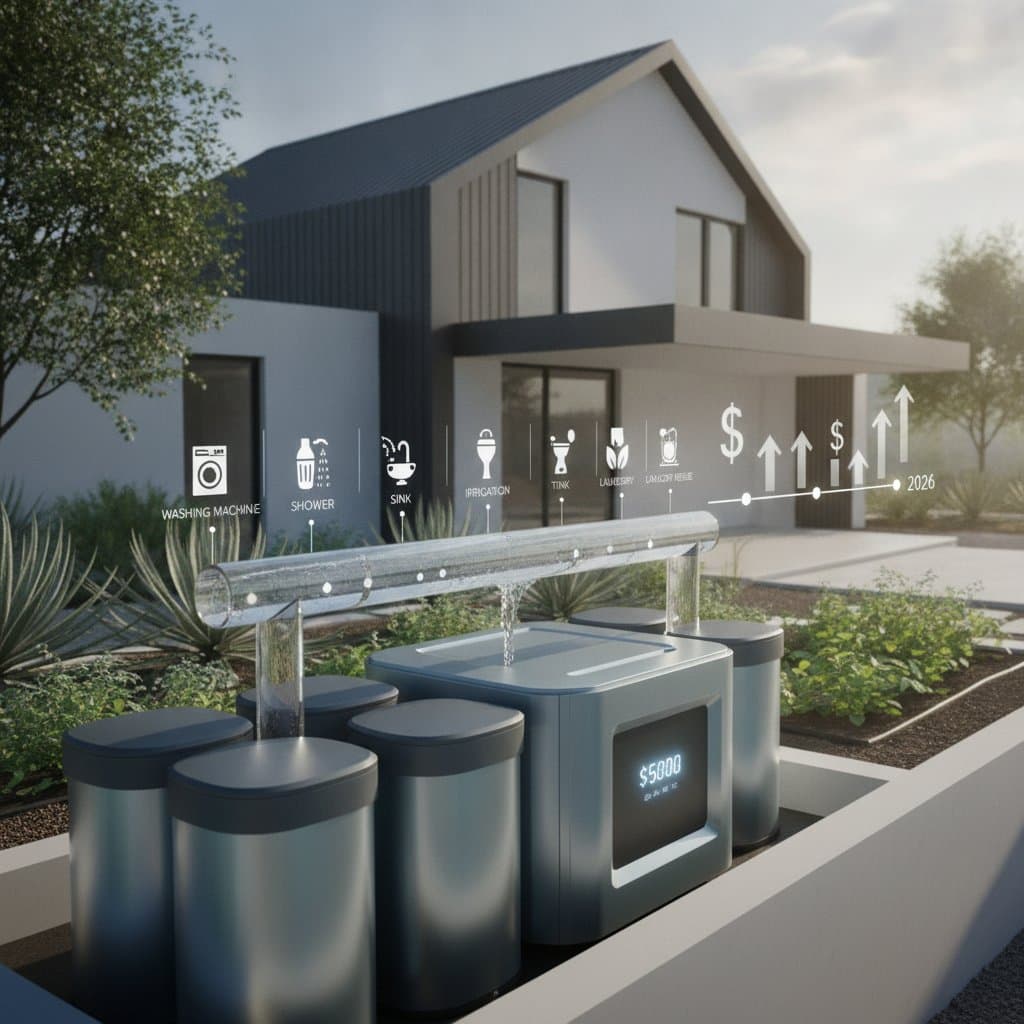
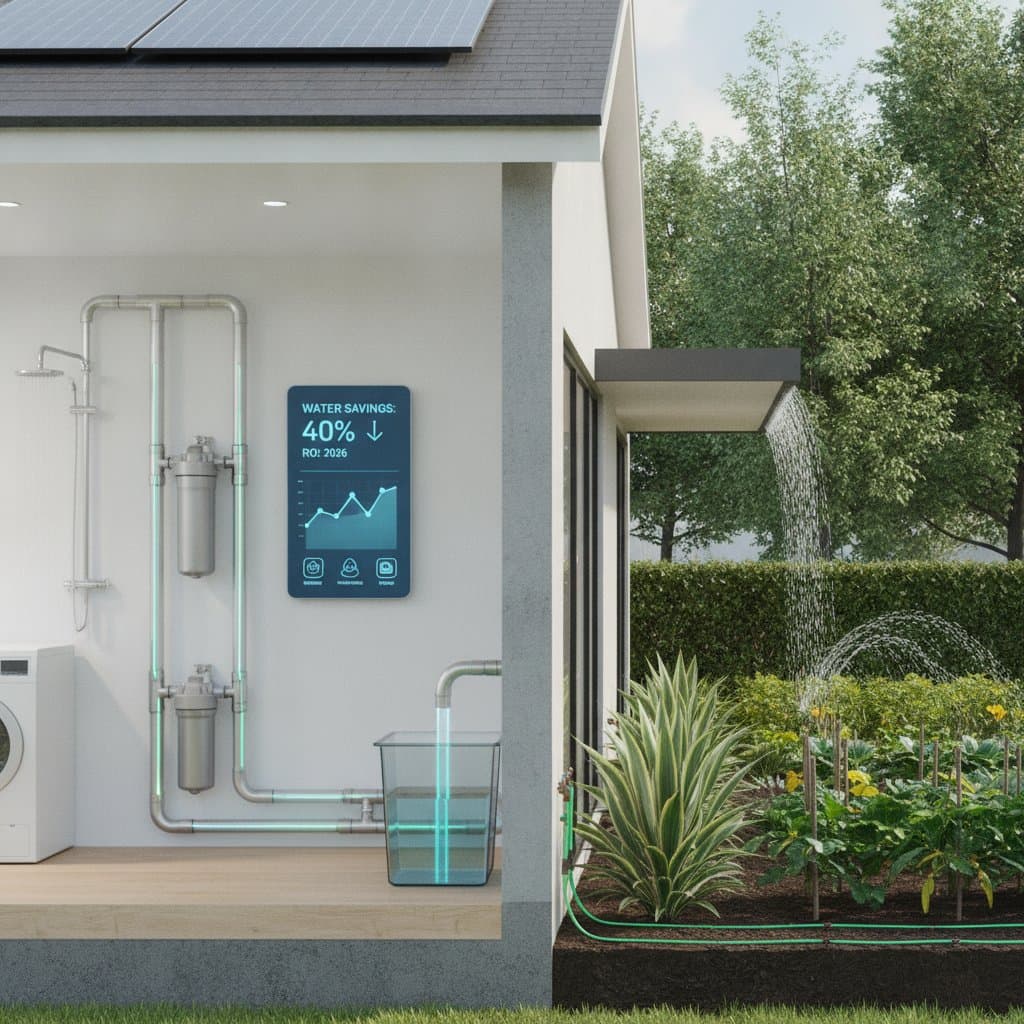
Greywater recycling offers homeowners a direct method to lower utility expenses. Systems capture water from sinks, showers, and laundry for reuse in irrigation or toilet flushing. This approach supports sustainability while delivering measurable financial returns over time.
The following sections detail current pricing ranges, factors that affect total investment, and realistic savings projections. Readers will also find guidance on maintenance routines and compatible upgrades.
Cost Ranges by System Type
Prices depend on the number of fixtures connected, local labor rates, and whether the project involves new construction or an existing home. Basic setups remain the most affordable option for many households.
Laundry-to-Landscape Systems
These gravity-fed units connect solely to a washing machine outlet. They require minimal materials and avoid pumps or tanks.
- Materials typically range from 200 to 600 dollars.
- Professional labor adds 300 to 800 dollars when needed.
- Filter cleaning occurs two to three times per year.
Multi-Source Systems with Basic Filtration
Medium installations collect water from showers and bathroom sinks. They incorporate holding tanks and simple filters.
- Equipment costs fall between 2000 and 5000 dollars.
- Labor expenses often match or exceed equipment outlays in retrofit projects.
- Filter changes and tank inspections occur every six months.
Whole-Home Automated Systems
Advanced setups serve an entire residence and may supply toilets or drip irrigation. Electronic controls and ultraviolet purification raise both price and complexity.
- Materials and controls range from 8000 to 15000 dollars.
- Retrofit labor can reach 10000 dollars or more.
- Annual service visits and bulb replacements maintain performance.
Retrofit versus New Construction
Existing homes require wall access and pipe rerouting, which increases both time and expense. New builds allow plumbers to separate greywater lines during initial rough-in, lowering overall cost by 30 to 50 percent.
Projected Water Bill Reductions
A mid-sized system can divert several thousand gallons each month from the sewer. Savings scale with local water rates and household size.
Monthly and Yearly Figures
Households in moderate-rate areas often see 15 to 45 dollars in monthly reductions. Annual totals commonly reach 200 to 600 dollars once the system operates at full capacity.
Payback Timeline
Most owners recover the initial outlay within five to eight years. Faster returns appear when rebates offset part of the cost or when systems pair with low-flow fixtures.
Routine Maintenance Requirements
Consistent care prevents odors and extends equipment life. Homeowners should schedule tasks on a calendar.
- Clean inlet filters every three months.
- Flush storage tanks twice yearly to remove sediment.
- Inspect valves and pumps each spring and fall.
- Drain exposed outdoor lines before freezing temperatures arrive.
Service contracts from certified installers cost 200 to 400 dollars annually and include priority response for issues.
Available Rebates and Incentives
Many municipal water districts provide cash rebates that cover 500 to 2000 dollars of qualified installations. Homeowners should review utility websites for current program details before purchasing equipment.
Compatible Upgrades
Pairing greywater reuse with additional measures increases overall efficiency.
- Rainwater collection tanks supply irrigation during wet seasons.
- Soil-moisture sensors prevent overwatering with recycled supply.
- Low-flow showerheads and faucets reduce the volume entering the system.
Protecting Long-Term Performance
A properly maintained greywater network continues to function for ten or more years. Tracking monthly water use through a utility app confirms ongoing savings and highlights any drop in performance that requires attention.
Homeowners who integrate these systems during remodeling projects avoid future disruption. The combination of lower monthly bills, drought resilience, and added property appeal supports the decision to proceed with installation.