Prepare for 2026 Water Heater Efficiency Rules
Homeowners planning a water heater replacement need to account for new federal efficiency standards taking effect in 2026. These standards will require manufacturers to improve insulation, add sensors, and incorporate heat pump technology in many models. The result is lower operating costs over time but higher purchase prices at the outset.
Current Water Heater Replacement Costs
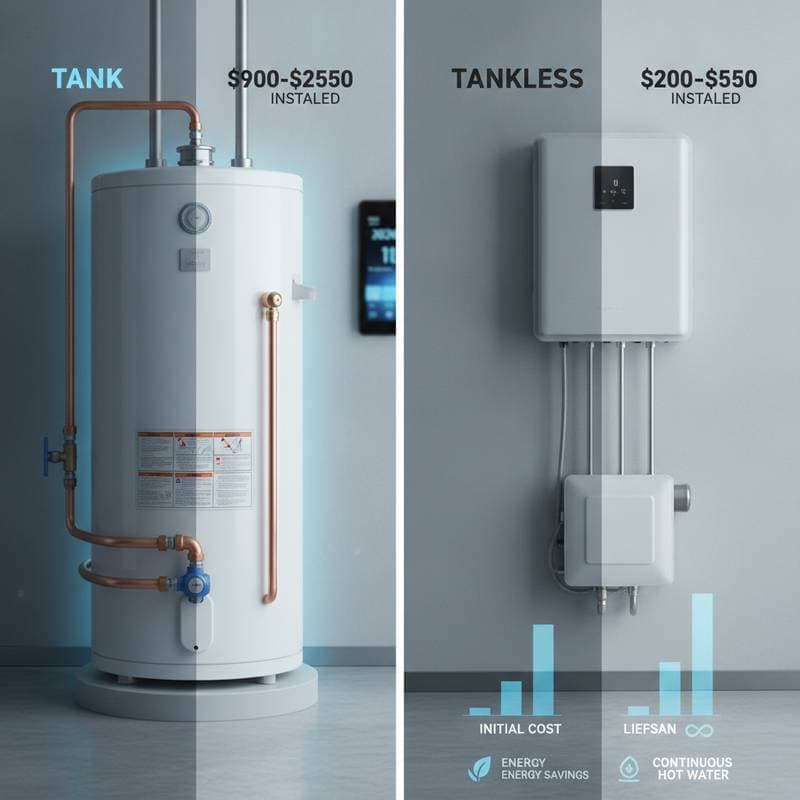
Average installed prices for conventional storage tank units range from 1000 to 2500 dollars. Gas models usually cost more than electric units because of venting requirements. Tankless and heat pump systems currently run between 2000 and 5000 dollars depending on capacity and brand.
Expect these ranges to shift upward once the new rules apply. Manufacturers will redesign products to meet stricter performance levels, and installers will need updated training. Labor rates may increase as demand moves toward compliant equipment.
Key Pricing Factors
- System type: tank, tankless, or hybrid heat pump
- Fuel source: electric, natural gas, propane, or solar
- Efficiency rating: higher ratings raise initial cost but cut energy use
- Household size: larger demand requires greater capacity
- Site conditions: access limits, outdated piping, or required electrical upgrades
- Regional labor rates and climate
Long Term Ownership Costs
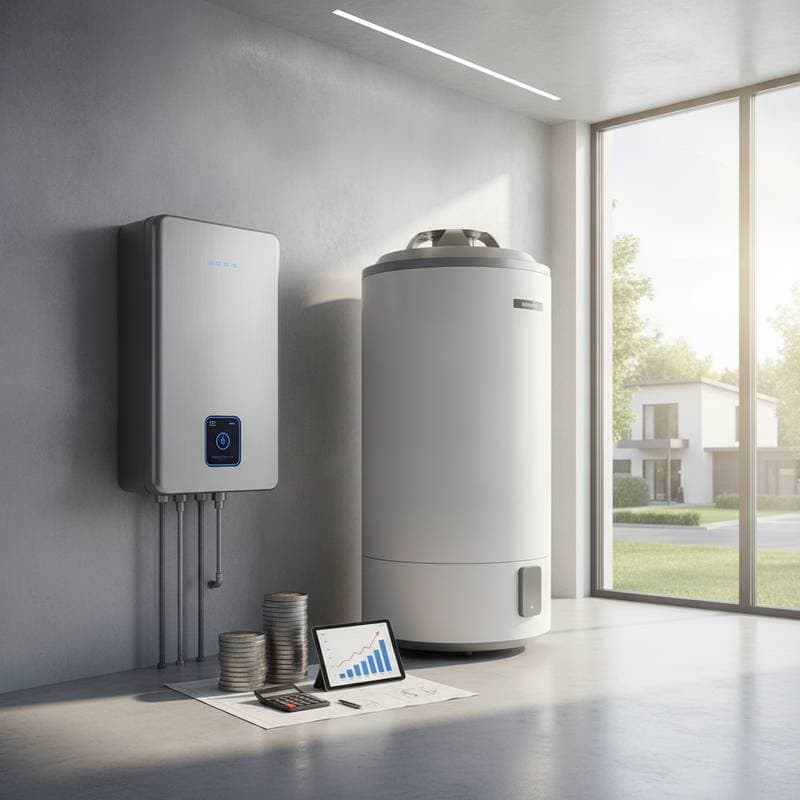
A high efficiency unit can reduce energy consumption by 10 to 30 percent. For many households this produces annual savings of several hundred dollars. Over a typical 10 to 15 year lifespan the reduced utility bills often offset the higher purchase price.
Professional Installation Versus DIY
New efficiency requirements add complexity to venting, electrical connections, and controls. Most homeowners lack the specialized skills and tools needed for safe, code compliant work.
DIY Limitations
Homeowners who attempt the job themselves face several risks. Gas line errors or improper venting can create safety hazards. Warranties are frequently voided by incorrect installation. New energy codes are difficult to satisfy without professional documentation.
Benefits of Professional Service
Licensed technicians understand both current and upcoming standards. They obtain permits, verify code compliance, and preserve full warranty coverage. Many also help homeowners identify available rebates for qualifying high efficiency models.
Common Questions About the 2026 Standards
How much will prices increase?
Manufacturers project modest rises in equipment cost as advanced insulation and heat pump components become standard. The exact amount varies by model and region.
Should replacement occur before the rules take effect?
If an existing unit is more than 10 years old or requires frequent repairs, replacement now can avoid both higher equipment prices and potential supply delays. Waiting allows access to improved efficiency and possible incentives.
What distinguishes tank and tankless systems?
Tank models store preheated water for immediate delivery. Tankless units heat water only when needed, which improves efficiency but demands adequate gas line capacity and flow rate.
Will heat pump models become the norm?
Heat pump water heaters are expected to see wider adoption. They extract heat from surrounding air and can cut energy use by more than half compared with conventional electric tanks.
Can older units still be serviced?
Repair parts for pre 2026 designs will gradually disappear. When service frequency rises or the unit exceeds 12 years of age, replacement is usually the more economical choice.
Are incentives still available?
Many utilities and state programs continue to offer rebates for ENERGY STAR certified or heat pump models. Homeowners should check eligibility before purchase.
How is proper sizing determined?
A load calculation based on number of occupants, peak demand periods, and fixture count produces the correct capacity. Oversized or undersized units reduce efficiency and comfort.
What maintenance do newer models require?
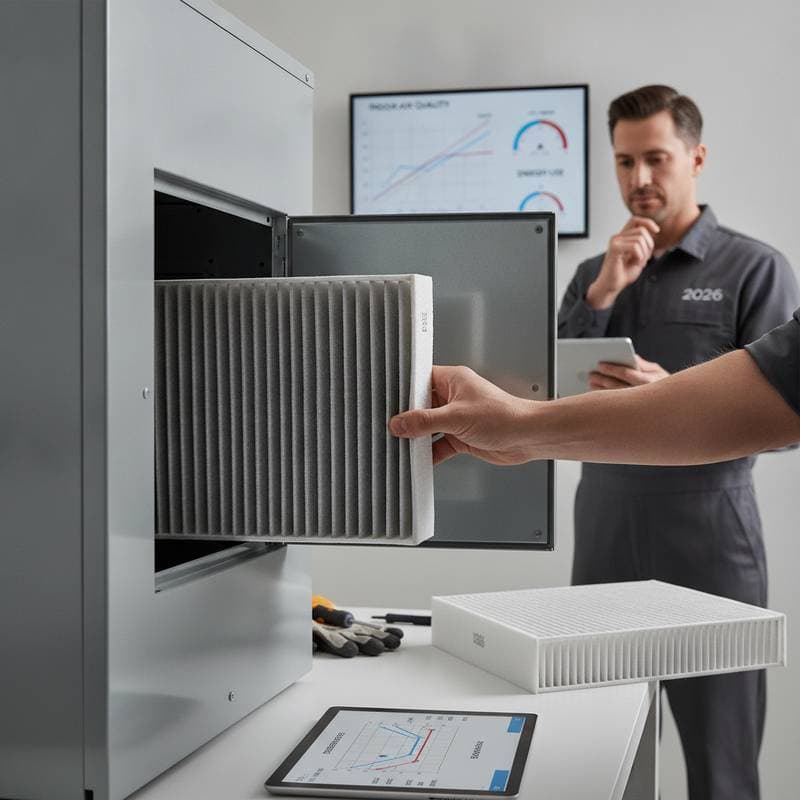
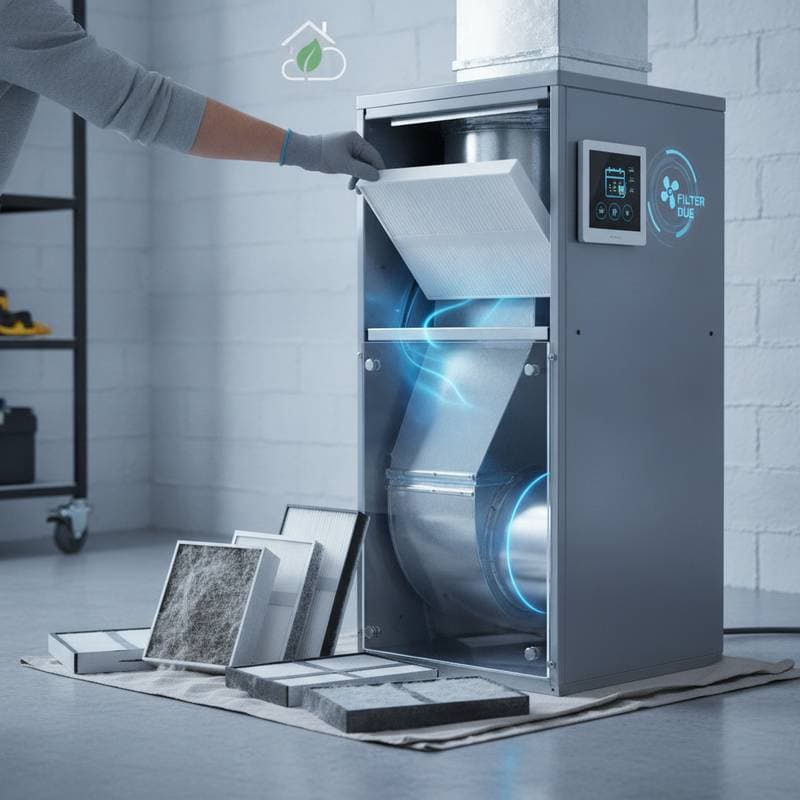
Annual inspection of filters, sensors, and connections maintains peak performance. Some units also need occasional software updates.
What signs indicate immediate replacement?
Rusty water, rumbling noises, fluctuating temperatures, or moisture at the base all point to impending failure.
Decision Steps for Homeowners
- Review the age and service history of the current unit.
- Compare full ownership costs, including energy use and maintenance, across compliant models.
- Confirm that any chosen equipment meets local building codes.
- Schedule installation during slower contractor periods to improve availability and pricing.
- Reserve funds for possible plumbing or electrical adjustments.
Planning an Efficient Upgrade
Compare warranty terms and performance ratings across several brands before selecting equipment. Verify that the installation location provides adequate clearance and drainage for heat pump models. Setting a project timeline several months ahead allows time to secure permits and incentives.