Microcement Flooring Costs in 2026: What to Expect
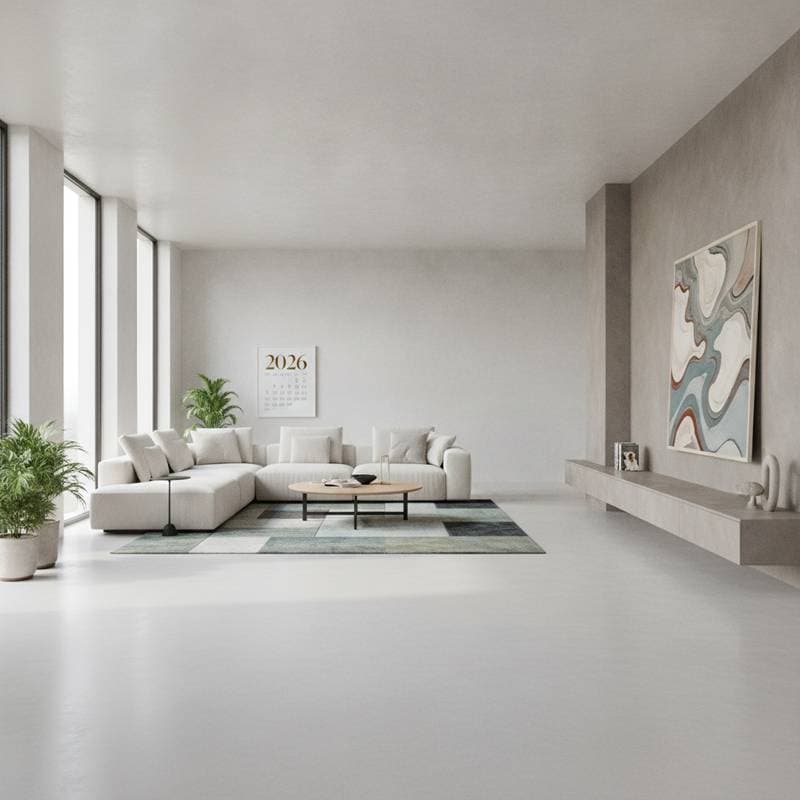
Microcement flooring has become a popular option for homeowners who want a seamless, modern surface that fits both minimalist and industrial designs. Its sleek, joint-free finish works equally well in kitchens, bathrooms, and open-plan living spaces. Cost remains a key factor when deciding if this surface fits renovation plans.
Understanding what drives microcement flooring prices helps set realistic expectations and plan budgets effectively.
What Microcement Flooring Includes
Microcement is a thin coating made from cement, resins, and mineral pigments. It can be applied over existing concrete, tiles, or screed. The material measures only 2 to 3 millimeters thick yet proves extremely durable once sealed.
A standard installation includes several layers. The base coat provides adhesion and leveling. The microcement finish coat adds texture and color. The protective sealant guards against moisture, stains, and wear. Each layer requires proper drying time. Professional application ensures a consistent surface free from cracks or air bubbles.
Average Price Range
The cost of microcement flooring typically falls between 60 and 120 dollars per square meter. This range depends on project complexity. Small areas or intricate layouts may increase labor costs. Large open spaces may reduce the price per square meter due to efficiency in application.
For a mid-sized living room around 25 square meters, expect to spend between 1,500 and 3,000 dollars for materials and labor. Bathrooms and kitchens often cost more per square meter because of waterproofing requirements and additional sealants.
Factors That Influence Cost
Several variables affect the final price of microcement flooring. Understanding these helps homeowners identify where to allocate the budget.
-
Surface Preparation
The condition of the existing floor heavily influences cost. Cracked tiles, uneven concrete, or moisture issues must be addressed before applying microcement. Surface repair can add 10 to 25 dollars per square meter depending on the level of correction. -
Labor and Expertise
Skilled installers charge more, but their precision ensures long-term performance. Poor application often leads to cracking or delamination, which can double costs later. Professional installation typically accounts for about 60 percent of the total project cost. -
Material Quality
Premium microcement brands offer stronger adhesion, finer pigments, and more consistent finishes. Products from recognized suppliers tend to command higher prices but deliver better durability and color stability. -
Finish and Color Selection
Custom colors, metallic tones, or textured finishes require extra layers and specialized tools. These upgrades can add 15 to 30 percent to the total cost. -
Location and Accessibility
Urban areas with a higher cost of living often have elevated labor rates. Limited site access or installation on upper floors without elevators adds transport and handling fees.
Comparing Microcement to Other Flooring Options
When compared to alternatives, microcement sits in the mid-to-high price range. Standard ceramic tiles usually cost 40 to 80 dollars per square meter. Polished concrete ranges from 70 to 100 dollars. Hardwood flooring can reach 120 dollars or more depending on the wood species.
Microcement offers a similar visual impact to polished concrete but with thinner layers and lower structural demands. This makes it suitable for renovations where floor height is limited. Maintenance costs are also lower than with wood or natural stone. Regular cleaning with a neutral pH cleaner and resealing every three to five years keeps surfaces looking new. The absence of joints reduces grout maintenance and mold buildup.
Cost-Saving Strategies
Practical steps exist to manage expenses without compromising quality. Prepare surfaces in advance by removing old coverings or leveling minor imperfections before professionals arrive. Keep design simple with neutral tones and matte finishes that require fewer products and less application time. Combine projects such as wall and floor applications to lower total costs through shared materials and setup. Request multiple quotes from at least three certified installers to identify fair pricing.
Homeowners who invest in proper sealing and maintenance often extend the life of their microcement floors to over two decades.
Long-Term Benefits
Beyond cost, microcement delivers practical advantages. It is compatible with underfloor heating, resists moisture, and can be applied over most surfaces without demolition. The smooth, continuous look enhances a sense of space, which is valuable in smaller homes or apartments.
From an environmental perspective, microcement creates minimal waste since it requires no tile cutting or adhesive use. Many suppliers now offer low VOC formulations that reduce indoor air pollution after installation.
Protecting Your Floor Over Time
Keeping a microcement floor in top condition requires simple habits. Use soft mops or microfiber cloths instead of abrasive tools. Avoid harsh chemicals that can strip the sealant. Place felt pads under furniture to prevent scratches. Reseal high-traffic areas periodically. Microcement flooring brings together design flexibility, durability, and a distinctive aesthetic that fits both modern and traditional interiors.