Home Battery Systems Expected to Cost Less Than $10,000 by 2026
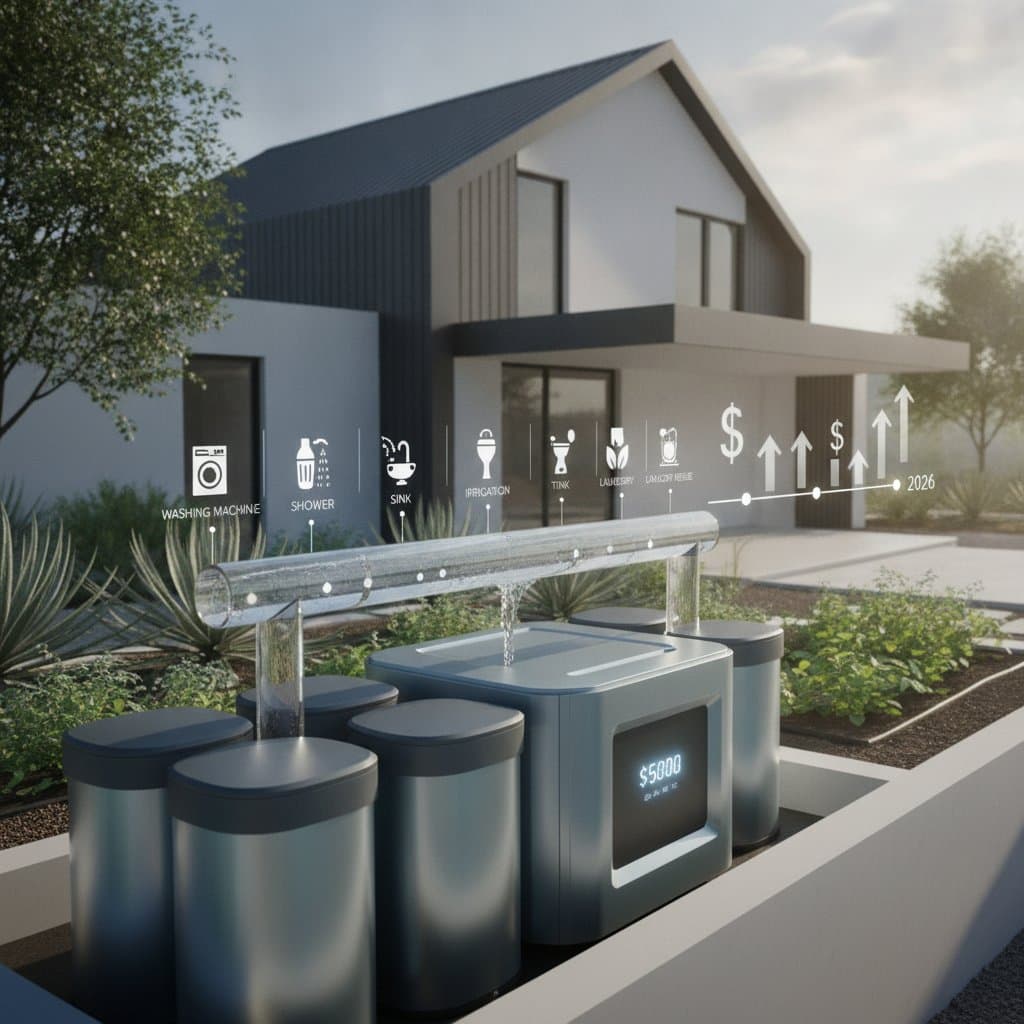
Home battery backup systems will likely reach new price points by 2026. Projections place complete installations between 10,000 and 15,000 dollars for typical residential setups. These figures reflect continued declines in cell manufacturing expenses along with broader policy support.
Several market forces now converge to accelerate adoption. Battery pack prices have fallen steadily for five years. At the same time, inverter and enclosure designs have become more compact and efficient.
Primary Drivers of Lower Costs
- Cell chemistry improvements allow higher energy density at reduced material expense.
- Manufacturing scale at gigafactories spreads fixed costs across larger volumes.
- Federal and state incentive programs offset a portion of upfront capital outlays.
- Installer competition has increased in mature solar markets, compressing labor margins.
Homeowners evaluating storage should examine usable capacity rather than headline kilowatt hour ratings. A 10 kilowatt hour battery that delivers 9 kilowatt hours of usable energy provides more practical value than a larger unit with lower depth of discharge.
Installation Choices and Tradeoffs
Professional installation remains the dominant path for code compliance and warranty coverage. Certified electricians coordinate permitting, interconnection agreements, and utility notifications. These steps protect equipment longevity and avoid insurance complications.
DIY approaches appeal to technically experienced individuals who already manage their own electrical upgrades. Even in these cases, battery modules and hybrid inverters still require manufacturer training for safe commissioning. Skipping this step can void product warranties.
Pairing Storage With Solar Generation
Battery value increases when paired with rooftop solar. Excess daytime production charges the battery instead of exporting at low compensation rates. Evening discharge then offsets grid purchases during peak pricing periods.
System sizing begins with an analysis of critical load circuits. Refrigeration, lighting, medical equipment, and communication devices typically form the essential set. Oversizing beyond these loads raises cost without proportional reliability gains.
Steps to Prepare for a 2026 Purchase
- Document annual electricity usage from utility statements.
- Identify circuits that must remain powered during outages.
- Request multiple quotes from installers who hold manufacturer certifications.
- Compare total installed price per usable kilowatt hour across proposals.
- Verify current incentive eligibility through state energy office resources.
Long Term Ownership Considerations
Battery cycle life depends on chemistry and operating temperature. Lithium iron phosphate units commonly retain 70 percent capacity after 6,000 cycles when kept between 15 and 30 degrees Celsius. Regular firmware updates from the manufacturer further optimize charge algorithms.
Maintenance consists mainly of keeping ventilation paths clear and confirming that monitoring software reports normal temperatures. Annual visual inspections of conduit and connections catch minor issues before they affect performance.
Warranty terms vary by manufacturer. Look for coverage that includes both parts and labor for at least ten years. Some programs also guarantee a minimum retained capacity at the end of the warranty period.
Planning an Energy Investment
Timing a purchase involves balancing current incentives against expected price drops. Locking in equipment now secures known costs while still allowing installation scheduling flexibility. Delaying entirely risks missing incentive windows that may narrow after 2025.
Total cost of ownership calculations should incorporate avoided outage expenses and time of use rate savings. These figures differ by region and utility rate structure, so localized modeling yields the clearest picture.