AI Thermostats Simplify HVAC Filter Checks
Homeowners often overlook HVAC filter maintenance until air quality drops or the system starts working harder than usual. A clogged filter increases energy bills, reduces airflow, and strains components. AI thermostats now make this process nearly effortless by monitoring filter conditions, sending timely reminders, and adjusting settings to preserve system efficiency.
Why Filter Checks Matter
Air filters trap dust, pollen, pet dander, and other particles that circulate through a home. When a filter becomes saturated, airflow slows and the HVAC system must work longer to reach the desired temperature. This raises energy costs and increases wear on the blower motor and compressor.
Clean filters can lower energy consumption by up to 15 percent compared to systems running with dirty ones. Over time that difference adds up to measurable savings. Cleaner air also improves comfort and supports healthier living environments, particularly for those with allergies or respiratory sensitivities.
The Challenge of Remembering Maintenance
Despite their importance, filter checks remain one of the most forgotten household tasks. Many homeowners rely on vague reminders such as seasonal changes or utility bills to prompt inspections. For households with pets or high dust levels, that schedule is rarely enough. Filters can clog faster than expected, especially in humid climates or homes under renovation.
Traditional thermostats do little to help with this issue. A basic programmable thermostat focuses on temperature control but lacks the intelligence to track airflow or usage patterns. AI thermostats interpret data from sensors and communicate directly with homeowners before performance declines.
How AI Thermostats Track Filter Health
AI thermostats use sensors and data analytics to monitor system performance in real time. They measure variables such as fan runtime, airflow resistance, and temperature changes across the coil. By comparing these metrics against historical patterns, the thermostat estimates when the filter is nearing the end of its effective life.
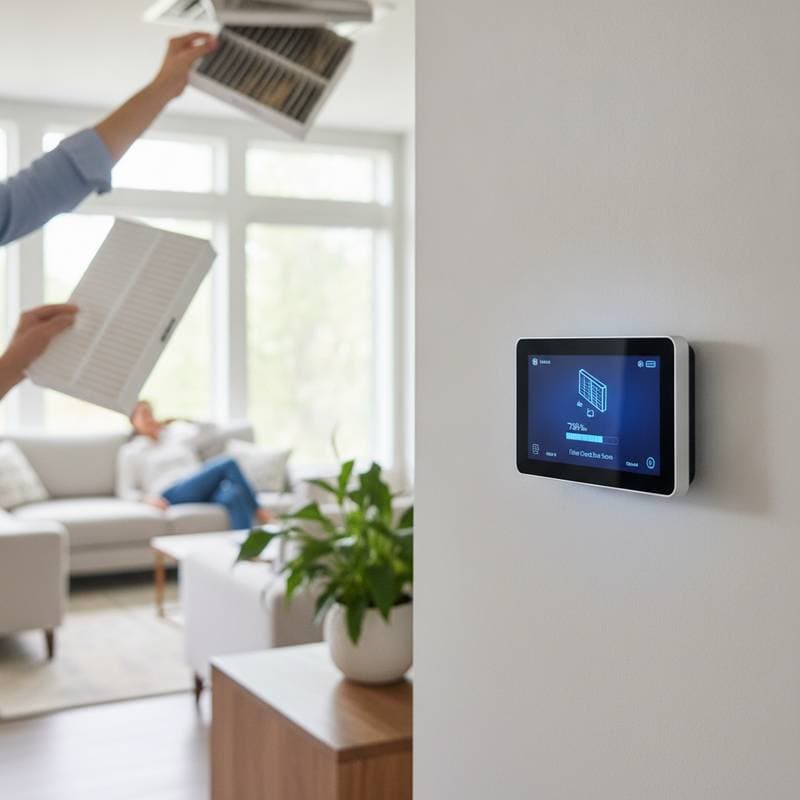
Some models integrate with smart HVAC systems that include pressure sensors in the air return. When resistance increases, the thermostat detects reduced airflow and sends a notification through its mobile app. Others rely on predictive algorithms that analyze usage patterns, climate conditions, and local air quality data to forecast filter changes.
This automation eliminates guesswork. Instead of following a generic replacement schedule, the thermostat provides a personalized timeline based on actual conditions inside the home.
Step-by-Step Setup for Smart Filter Monitoring
- Install or upgrade the thermostat. Choose an AI model compatible with the existing HVAC system.
- Connect to Wi-Fi and complete the initial setup to enable remote notifications.
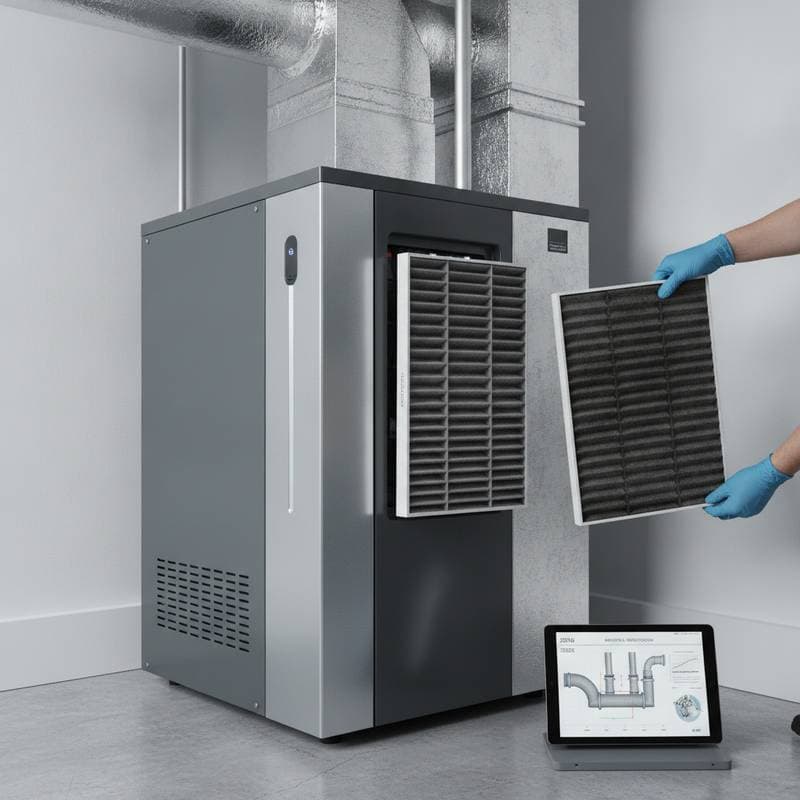
- Input filter size and type so the system can fine-tune reminders based on airflow resistance.
- Enable air quality monitoring if sensors are available to measure particulate matter and humidity.
- Review the maintenance dashboard in the app to track remaining days or usage hours.
- Respond to alerts promptly when declining airflow triggers a notification.
Following these steps turns filter replacement from a forgotten chore into a predictable task.
Benefits Beyond Basic Reminders
AI thermostats improve how the HVAC system operates throughout the year. By maintaining optimal airflow, these devices help stabilize indoor temperatures and reduce short cycling. Homeowners often notice quieter operation because the blower does not strain against restricted airflow.
Energy savings provide another advantage. Homes using AI thermostats with filter monitoring report lower annual energy use compared to those relying on manual reminders. Over several years those savings offset the cost of the thermostat itself.
Professional Integration Options
Installing an AI thermostat is straightforward for most homeowners when replacing an existing unit. Basic wiring and configuration can be completed in under an hour. For multi-zone systems or advanced HVAC setups, professional installation ensures compatibility and calibration accuracy.
HVAC professionals can integrate smart thermostats with broader maintenance programs. Technicians review system performance remotely, identify airflow issues early, and schedule filter replacements during routine service visits.
Cost and Long-Term Value
AI thermostats range in price from budget models around one hundred dollars to premium options with advanced sensors. The long-term return is substantial. Energy savings, reduced component wear, and fewer emergency service calls deliver tangible value. Most homeowners recover the cost within a year or two through lower utility bills.
Consistent filter replacement also helps preserve indoor air quality, which reduces cleaning frequency and minimizes dust buildup on furniture and vents.
Integration With Overall Home Care
Smart thermostats fit naturally into a broader home management strategy. When combined with other sensors, they coordinate data from air purifiers, humidifiers, and ventilation systems. Homeowners can create routines that link filter reminders with voice alerts or calendar events.
Some brands allow data sharing with HVAC service providers. Through this connection a technician receives alerts when the system shows early signs of reduced efficiency.
Protecting the HVAC Investment
Consistent filter monitoring protects one of the home's most expensive mechanical systems. The HVAC unit influences both comfort and air quality year-round. Verify that thermostat software stays updated, inspect filters visually even when alerts are inactive, and record any changes in performance or noise levels. Smart thermostats learn habits, track performance, and guide timely decisions that support reliable operation.