Seasonal Maintenance That Prevents Roof Moss Damage
Homeowners often underestimate how quickly moss can take hold of a roof. Those soft green patches may look harmless at first, but they trap moisture, lift shingles, and eventually lead to leaks. Consistent seasonal maintenance prevents moss damage, extends roof life, and preserves curb appeal.
Understanding Roof Moss Growth
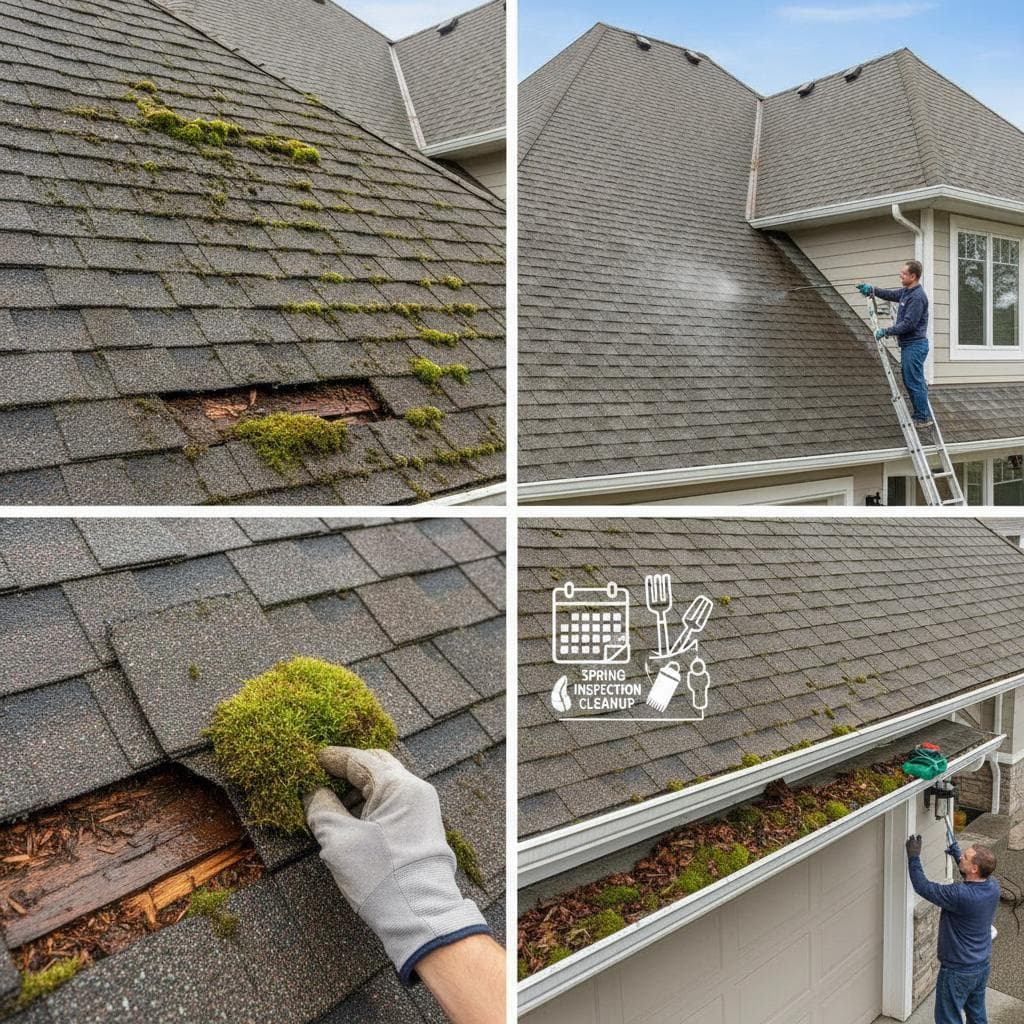
Moss thrives in damp, shaded environments. North facing roof slopes or areas under large trees prove particularly vulnerable. Spores spread through the air, settle on the surface, and multiply when moisture levels stay high. Over time moss acts like a sponge and holds water against the roofing material. This constant dampness weakens shingles, erodes protective granules, and can rot the underlayment.
A small patch can grow several times larger within one wet season if left untreated. Routine maintenance timed to seasonal transitions stops this progression before it causes structural damage.
Seasonal Maintenance Schedule
Roof maintenance should follow seasonal changes because weather conditions directly influence moss growth.
Spring inspection after winter storms removes debris such as branches, leaves, and needles that hold moisture. Check for early moss growth in shaded sections and clean gutters so rainwater flows freely.
Summer offers the best period for preventive treatments. The dry roof surface allows cleaning solutions or moss inhibitors to work effectively. Professionals apply zinc or copper based sprays that discourage new spore growth.
Autumn leaf removal from valleys and gutters prevents ideal conditions for moss return. Homeowners in areas with frequent fog should perform one more inspection before temperatures drop.
Winter limits roof access, yet monitoring from the ground or through attic inspections reveals dark streaks that signal trapped moisture. Check insulation and ventilation because excess attic humidity contributes to external moss formation.
Cost Fundamentals for Moss Prevention
Basic cleaning and moss control treatments range from 250 to 600 dollars for a typical single story home. Larger or more complex roofs reach 900 dollars or more. National averages sit near 0.25 to 0.60 dollars per square foot for a standard maintenance visit.
Coastal and rainforest regions often see higher costs due to frequent maintenance needs. Drier inland areas require treatments only once every few years. Homeowners who schedule multiple seasonal services in advance receive discounted bundle pricing.
Pricing Models and Service Structures
Roof moss removal and prevention follow several pricing models.
- Hourly rates average 50 to 100 dollars per hour for small residential projects or spot treatments.
- Flat fees quote a single price based on roof square footage and complexity.
- Project based packages combine cleaning, moss treatment, and gutter service for 400 to 800 dollars.
- Subscription maintenance plans provide quarterly or biannual visits at 150 to 300 dollars each.
Properties surrounded by trees benefit from scheduled plans that save money compared with reactive cleanings.
Service Tiers and Their Price Points
Basic service includes visual inspection, debris removal, and light brushing for 200 to 350 dollars. Standard service adds chemical treatment with eco safe inhibitors for 400 to 600 dollars. Premium service covers deep cleaning, gutter flushing, and protective metal strip installation for 700 to 1000 dollars. Comprehensive service for heavy infestations or delicate materials such as cedar shakes exceeds 1200 dollars.
Key Variables Influencing Pricing
Roof size and pitch affect labor time on steeper or multi level surfaces. Asphalt shingles prove easier to treat than slate or tile. Limited ground access or landscaping obstacles raise costs. Existing damage from lifted shingles or rot adds repair expenses. Eco friendly products cost slightly more yet reduce runoff concerns.
Add on Services and Supplemental Charges
Gutter cleaning adds 100 to 200 dollars and prevents overflow near roof edges. A gentle roof rinse costs 150 to 300 dollars. Metal strip installation along the ridge line runs 300 to 500 dollars. Expedited service adds 10 to 20 percent to standard rates. Long lasting prevention coatings cost 200 to 400 dollars and delay regrowth for several seasons.
Common Mistakes to Avoid
High pressure washing damages shingles and voids manufacturer warranties. Household bleach or vinegar mixtures discolor roofing materials and harm nearby landscaping. Professional services use low pressure methods with pH balanced formulas. Neglected gutters trap moisture and allow moss to spread upward. Annual inspections catch early growth in hidden valleys or near vents.
Sustainable Maintenance Options
Biodegradable cleaners rely on natural enzymes or citrus based compounds that break down organic matter without harmful residue. Copper or zinc strips prevent moss through mild mineral release during rain. Professional services that follow environmental guidelines provide documentation of regulatory compliance.
Hiring a Professional for Seasonal Roof Care
Select companies certified by recognized roofing associations. Confirm insurance coverage and technician training in fall protection and low pressure techniques. Request a written estimate that lists all materials and labor charges. Reputable providers include a limited guarantee for moss free results lasting six months or longer.
Protecting Your Home Investment
Timely seasonal care stops moss before it forces premature roof replacement. Homeowners who follow structured maintenance schedules preserve structural integrity and maintain property value over many years.