Fall HVAC Filter Schedule for Peak Performance
When temperatures drop, many households reduce air conditioning use and pay less attention to their HVAC systems. Fall remains one of the most important periods for air filter care. Accumulated dust, pollen, and debris from summer reduce airflow and raise operating costs. A clear replacement plan protects efficiency, supports indoor air quality, and limits energy expenses.
HVAC Filter Cost Basics
Filter prices depend on material, efficiency rating, and brand. Fiberglass models start at a few dollars each. Pleated filters with higher MERV ratings cost more but capture finer particles. National averages for standard pleated filters fall in the middle range for common sizes.
Urban and coastal areas often see higher prices due to shipping and demand. Rural locations may offer lower costs, yet stock can be limited. Retail promotions appear most often in spring and fall. Supply disruptions can increase prices for short periods.
Pricing Options and Service Structures
Suppliers sell filters by the unit or in bulk packs that lower the cost per filter. Subscription services deliver replacements every one to three months and include shipping in a fixed monthly fee. HVAC companies sometimes bundle filter changes into flat-rate maintenance plans that cover both parts and labor.
Larger homes or properties with multiple systems benefit from bundle pricing that stabilizes annual spending. Each option trades upfront cost for convenience or predictability.
Filter Quality Tiers
- Basic fiberglass filters handle dust and lint at the lowest price and suit homes without pets or allergies.
- Standard pleated filters improve particle capture for most households while keeping costs moderate.
- Premium filters carry MERV ratings of 11 to 13, trap allergens effectively, and last longer than basic models.
- Specialized HEPA or carbon filters address odors and very fine particles in homes with respiratory needs.
Factors That Affect Total Cost
System size determines filter dimensions and material volume. Thicker or multi-layer designs raise both price and installation time. Longer-lasting filters cost more initially but reduce replacement frequency. Households with pets, smokers, or high dust levels change filters more often and incur higher yearly totals.
Supplemental Maintenance Tasks
Many owners combine filter changes with other services. Duct cleaning removes buildup that shortens filter life. Air quality testing shows how well current filters perform. System tune-ups check motors, belts, and thermostats. Emergency calls during peak heating months carry higher rates.
Creating a Practical Fall Schedule
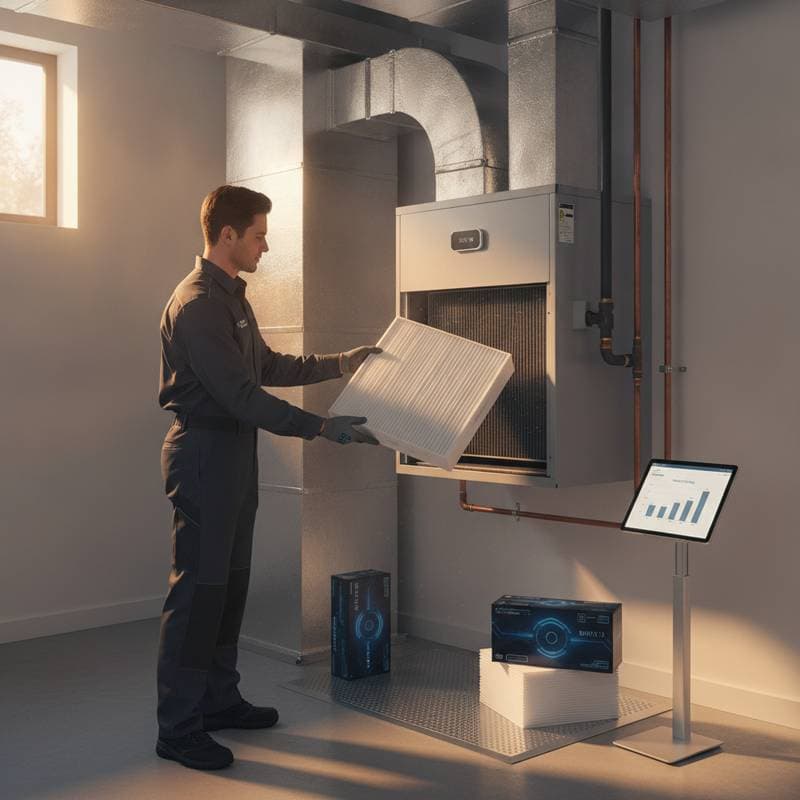
Inspect the filter at the start of fall. Replace it if dust or debris is visible. Most homes need changes every 30 to 90 days. Homes with pets or allergies often require monthly replacement. Smaller households without these factors can extend intervals to 90 days.
Record dates on a calendar or enable alerts through a smart thermostat. Complete the first change before heating season begins so the furnace moves air with less resistance.
Benefits of Consistent Care
Clean filters lower energy use by as much as 15 percent according to HVAC technicians. Reduced airflow resistance also decreases wear on the blower motor. Homeowners notice fewer airborne particles and more stable indoor temperatures.
Putting the Plan into Action
Select the filter tier that matches household needs, set replacement reminders, and track annual spending. Regular attention keeps the system efficient, supports cleaner air, and avoids unexpected repair costs throughout winter.