Keep Your HVAC Running with This Filter Schedule
A home HVAC system works hard every day to keep air clean and comfortable. One small part often decides how well it performs, the air filter. A clogged or neglected filter makes the system strain, raises energy bills, and shortens equipment life. Setting a clear schedule for filter changes can prevent most of these issues. This guide explains how to set a practical filter schedule, how to stick to it, and what signs show it is time for maintenance.
How Often to Change the Filter
The right schedule depends on the type of filter, the home size, and indoor activity levels. Here is a simple guide to follow:
- Standard fiberglass filters: Replace about every month.
- Pleated filters: Last up to three months.
- High efficiency filters: Can last four to six months depending on dust levels.
- Permanent electrostatic filters: Clean every month and reuse when dry.
Homes with pets, smokers, or high dust should change or clean filters more often. If you live near roads or construction, monthly changes may be best. For households with allergy concerns, shorter intervals keep the air cleaner.
Home size also affects filter life. A smaller home with one occupant may create less dust than a larger household with children and pets. Homes with several return vents may need more than one filter, so check every location during the same inspection. When a new filter looks gray, dusty, or visibly packed with debris before its expected replacement date, change it early rather than waiting.
Benefits of Following a Set Schedule
Regular filter replacement provides several lasting benefits. Clean filters trap allergens before they spread. Unblocked airflow makes the system run efficiently. Reduced strain keeps the unit running smoothly. Internal parts stay clean and balanced. Many homeowners report lower dust levels within days of a filter change. Some even share that their homes feel cooler or warmer faster.
Better airflow can also improve comfort from room to room. When a dirty filter restricts circulation, bedrooms, hallways, or finished lower levels may feel noticeably warmer or colder. A clean filter helps the HVAC system distribute conditioned air more evenly. It may also reduce frequent cycling, which can place extra stress on the equipment and make indoor temperatures less consistent.
How to Replace or Clean a Filter Safely
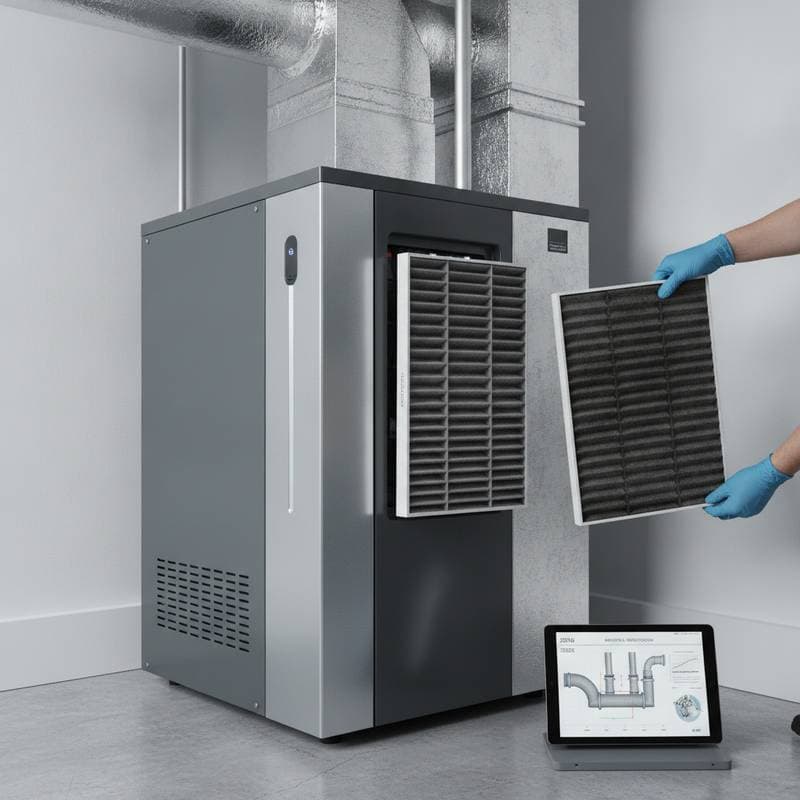
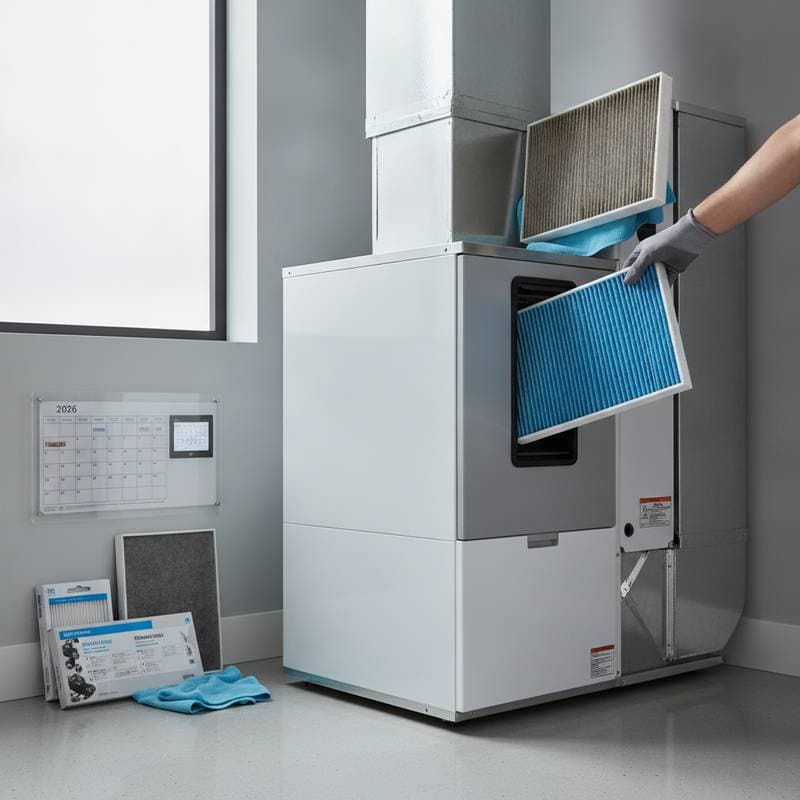
Before you start, turn off the HVAC unit. Use these steps to change or clean the filter safely. Locate the filter slot near the return air duct or furnace. Remove the old filter carefully to avoid spreading trapped dust. Check the airflow arrow on the new filter and insert it in the same direction. Seal the cover tightly to prevent leaks. Turn the system back on and test airflow by holding a tissue near the vent.
For washable filters, rinse with mild soap and warm water. Let them dry fully before reinstalling. Never run the system with a wet or missing filter. Always use the correct filter size for your unit. Using the wrong one can cause air leaks or damage the blower motor.
Check the filter label before buying a replacement. The length, width, and thickness must match the manufacturer’s requirements. A filter that is too loose can allow dust to bypass it, while one that is too thick may restrict airflow. If you are unsure, photograph the old filter label or consult the equipment manual. Keep the area around the return vent clear of furniture, curtains, and storage boxes so the system can draw air freely.
Cost Comparison and Savings
Filters vary in price based on type and rating. Fiberglass ones cost the least but need more frequent replacement. Pleated and high efficiency filters cost more upfront yet last longer and trap finer particles.
| Filter Type | Average Cost | Lifespan | Key Benefit |
|---|---|---|---|
| Fiberglass | Low | 1 month | Basic dust control |
| Pleated | Moderate | 3 months | Better air quality |
| High efficiency | High | 4 to 6 months | Traps fine particles |
| Washable | Moderate | Reusable | Eco friendly |
Over a full year, a consistent plan can save up to 15 percent on energy costs. It also avoids emergency repair calls that often cost far more than a box of filters. Savings depend on equipment condition, insulation, thermostat settings, and local utility rates, but airflow is one of the easiest efficiency factors for homeowners to manage.
A higher rated filter is not automatically the best choice for every system. Very dense filters can make an older blower work harder if the equipment is not designed for them. Ask an HVAC professional about the recommended rating before switching to a more restrictive product.
Expert and User Insights
HVAC technicians often say that regular filter replacement is the easiest way to protect a system. Homeowners on community boards agree. Many share stories of reduced dust and quieter operation after improving their routines. A common piece of advice is to check filters on the same day as paying utility bills.
It is also useful to inspect the filter after unusual household activity. Remodeling, deep cleaning, fireplace use, and moving furniture can release extra particles into the air. After these events, check the filter even if the normal interval has not ended. If airflow remains weak after installing a clean filter, schedule professional service because the cause may be a blocked duct, dirty coil, or failing blower.