2026 Tank vs Tankless Water Heater Replacement Costs: A Complete Homeowner Guide
Replacing a water heater ranks among the key home maintenance choices. Whether the current unit shows signs of failure or efficiency improvements are the goal, comparing tank versus tankless replacement costs supports budget planning and system selection. Each option carries distinct strengths in installation demands, energy performance, and ongoing savings.
This guide details expected replacement expenses, identifies pricing influences, and clarifies the choice between traditional tank models and tankless alternatives. It also covers the value of professional installation and outlines preparation steps.
Weighing DIY Against Professional Installation
The decision between handling replacement personally or engaging a professional rests on skill level, tool availability, and familiarity with plumbing or electrical tasks.
Advantages of a DIY Approach
- Avoid labor fees to reduce the initial outlay.
- Set your own schedule without outside coordination.
- Gain hands-on understanding of the system.
Limitations of a DIY Approach
- Incorrect work risks electrical shock, gas leaks, or water damage.
- Manufacturer warranties often require professional installation to remain valid.
- Local codes may mandate certified work for compliance.
Advantages of Professional Installation
- Certified technicians manage gas lines, venting, and electrical connections safely.
- Labor and product warranties protect the investment.
- Proper setup delivers peak efficiency from day one.
- Removal and disposal of the old unit occur as part of the service.
Limitations of Professional Installation
- Labor adds several hundred dollars to the total.
- Availability requires alignment with the installer schedule.
Required Skills and Equipment
A tank model replacement calls for basic plumbing knowledge along with pipe cutters and soldering or threading tools. A tankless model involves gas line adjustments, venting additions, and electrical work that typically exceed homeowner capabilities without specialized training.
Time and Safety Factors
Professionals finish most tank replacements within a few hours. A DIY effort often extends to a full day or more. Tankless projects require additional time when new venting or circuits are necessary. Assess personal comfort with these risks before proceeding.
Selecting the Right System
The choice between tank and tankless units depends on household water demand, available space, and long-term objectives. Follow these steps to reach a sound decision.
Evaluate Household Needs
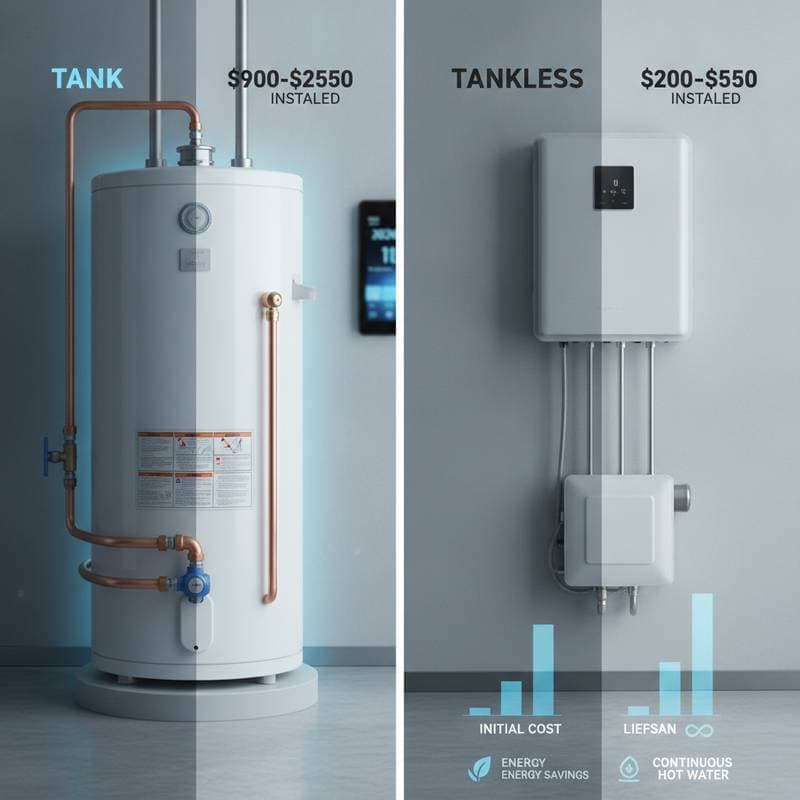
Review daily hot water consumption, physical space constraints, and the existing energy source. Tank units handle consistent daily use effectively. Tankless units supply continuous hot water on demand without storage.
Review Personal Capabilities
Plumbing experience supports a straightforward tank swap. Tankless complexity around venting and wiring usually requires a licensed installer.
Determine Full Project Costs
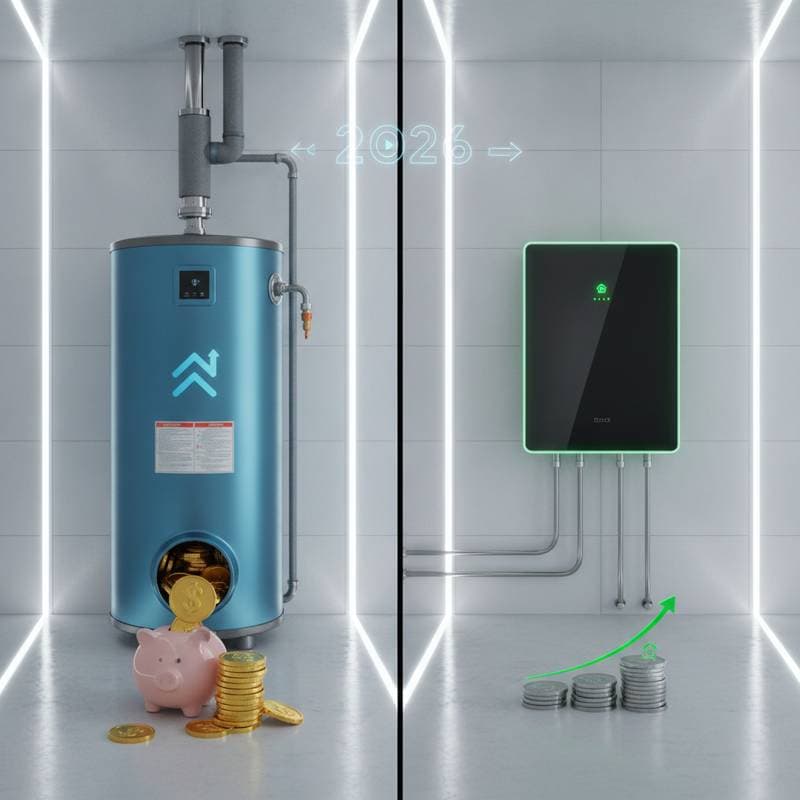
Account for materials, permits, disposal fees, energy savings over time, and available rebates. Higher upfront tankless pricing can offset through reduced operating expenses.
Assess Installation Risks
Gas homes introduce extra considerations around combustion safety. Improper venting raises the chance of leaks or carbon monoxide exposure.
Reach a Final Selection
Weigh upfront expense against comfort, efficiency, and durability. Long-term residency favors tankless performance. Shorter stays align better with standard tank simplicity.
Preparing the Installation Site
Thorough preparation supports a smooth process regardless of who performs the work.
Compare energy ratings, warranty terms, and user feedback before purchase. Confirm the home infrastructure matches the chosen fuel type. Clear three feet of space around the work area and verify ventilation meets requirements. Shut off water and power supplies ahead of any activity.
Ongoing System Care
- Check connections twice yearly for leaks or corrosion.
- Flush tank units regularly to limit sediment accumulation.
- Descale tankless units per manufacturer guidance.
- Adjust temperature settings to balance safety and energy use.
- Arrange annual professional service for sustained performance.
Protecting Long-Term Value
Consistent attention to maintenance extends equipment life and preserves efficiency gains. Homeowners who follow scheduled inspections and address minor issues promptly avoid larger repair costs later.