2026 Tank vs Tankless Water Heater Replacement Costs
Replacing a water heater ranks among the larger maintenance choices for homeowners. The decision between a traditional tank model and a tankless unit shapes upfront spending as well as ongoing energy use and daily comfort. Rising efficiency standards make it useful to compare actual prices and performance details before scheduling work.
This guide presents current replacement ranges for both system types, outlines the main cost drivers, reviews installation options, and supplies clear criteria for selecting the right unit.
Current Price Ranges
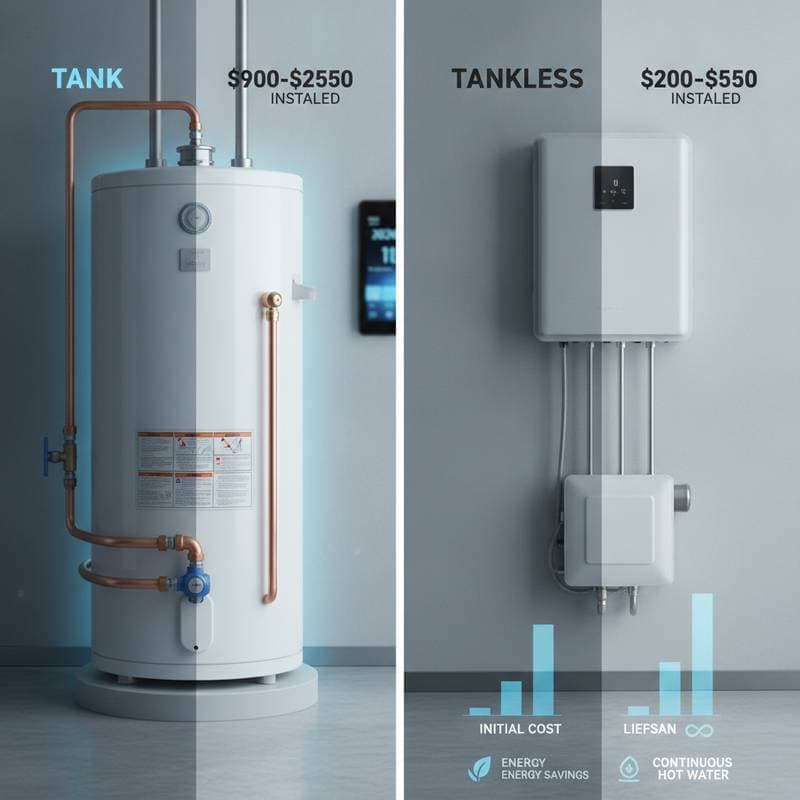
Tank Water Heater Replacement Costs
A tank replacement covers the new unit, labor, and removal of the old equipment.
- Unit prices range from 400 to 1200 dollars based on capacity and brand features.
- Standard labor adds 600 to 1000 dollars.
- Most homeowners pay between 1000 and 2200 dollars in total.
Premium units that include extra insulation or heat pump technology can exceed 2500 dollars.
Tankless Water Heater Replacement Costs
Tankless units carry higher costs because of added complexity in venting and connections.
- Mid range units cost 900 to 2000 dollars, while premium models reach 3000 dollars.
- Installation typically runs from 1000 to 2500 dollars when gas lines, venting, or electrical upgrades are required.
- Complete projects average 2000 to 5500 dollars.
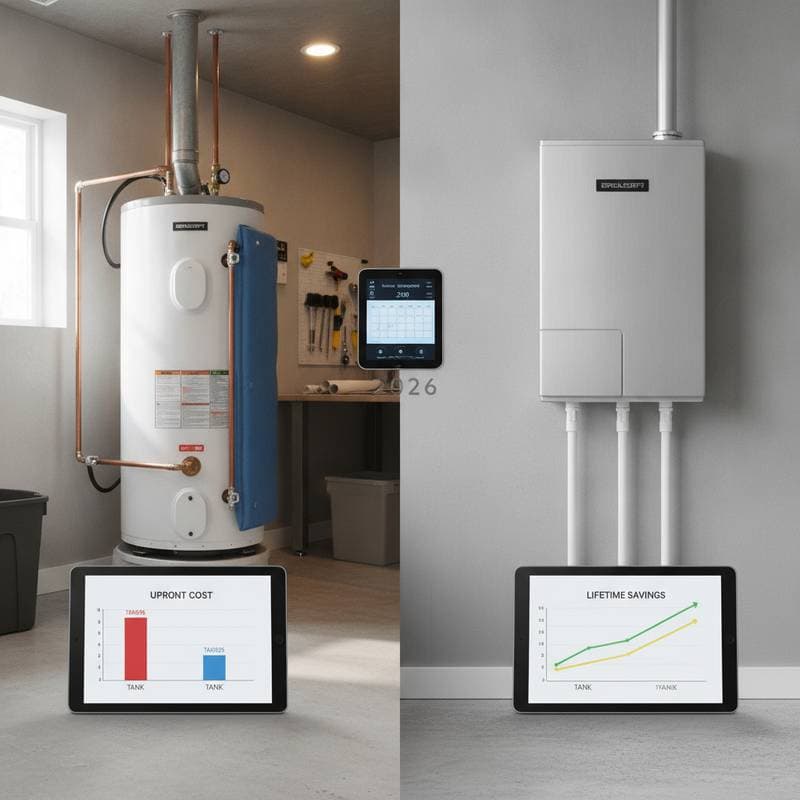
Tankless systems cost more at the start yet reduce monthly energy bills and last longer than tank models.
Installation Choices
Independent Work
Homeowners who possess solid plumbing and electrical experience sometimes handle a tank replacement themselves. This approach can reduce expenses by 500 to 1000 dollars. Errors, however, may create leaks or safety risks, and many local codes require licensed work to keep warranties intact.
Licensed Professional Service
A qualified plumber confirms code compliance, proper venting, and full warranty coverage. Most providers also manage old unit removal and permit paperwork.
- Tank replacements present moderate difficulty.
- Tankless replacements involve complex steps.
Professional installation remains the more reliable route for the majority of households.
Selection Criteria
Situations That Favor a Tank Unit
- The project requires quick completion at a lower initial price.
- Daily hot water demand stays moderate throughout the day.
- Budget limits prevent major upgrades to existing lines.
- Simple maintenance routines are preferred.
Situations That Favor a Tankless Unit
- Long term energy reduction and compact size matter most.
- Peak demand calls for continuous hot water delivery.
- The household plans to remain in the property for an extended period.
- Funds are available for necessary venting or electrical improvements.
Routine Upkeep Steps
Regular service protects performance and extends equipment life.
For tank systems, flush the tank once each year to clear sediment, check the anode rod on a two year cycle, and replace valves or insulation as needed.
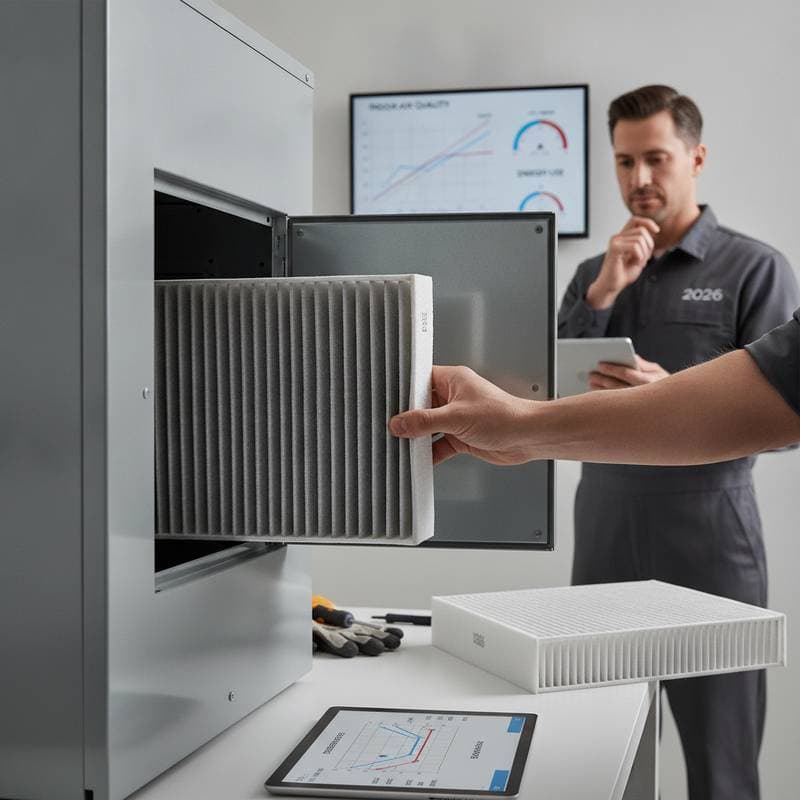
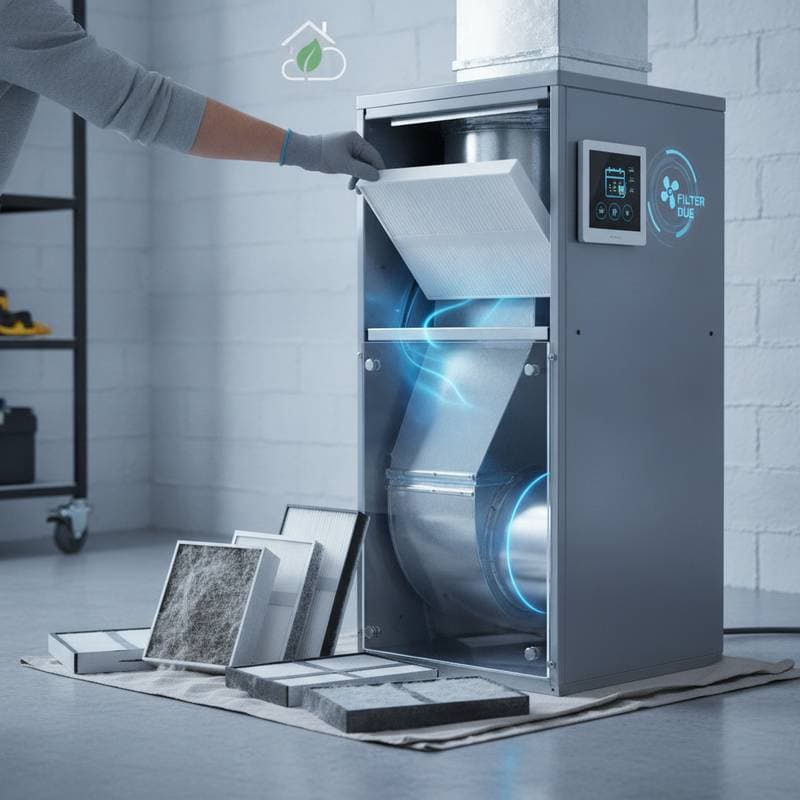
For tankless systems, perform annual descaling in areas with hard water, clean inlet filters to preserve flow rate, and verify temperature settings during service visits.
Professional inspections every two to three years catch efficiency drops early.
Planning the Replacement
Homeowners who review total installation costs, expected energy savings, and maintenance needs can select a system that matches both budget and usage patterns. Quality installation paired with consistent care delivers dependable hot water and controlled lifetime expenses.