Mushroom Insulation Cost: Eco-Friendly Home Savings
Homeowners seeking sustainable insulation options are exploring mycelium based materials. This approach uses the root structure of fungi to create effective barriers. The material delivers energy efficiency along with fire resistance and full compostability.
Defining Mushroom Insulation
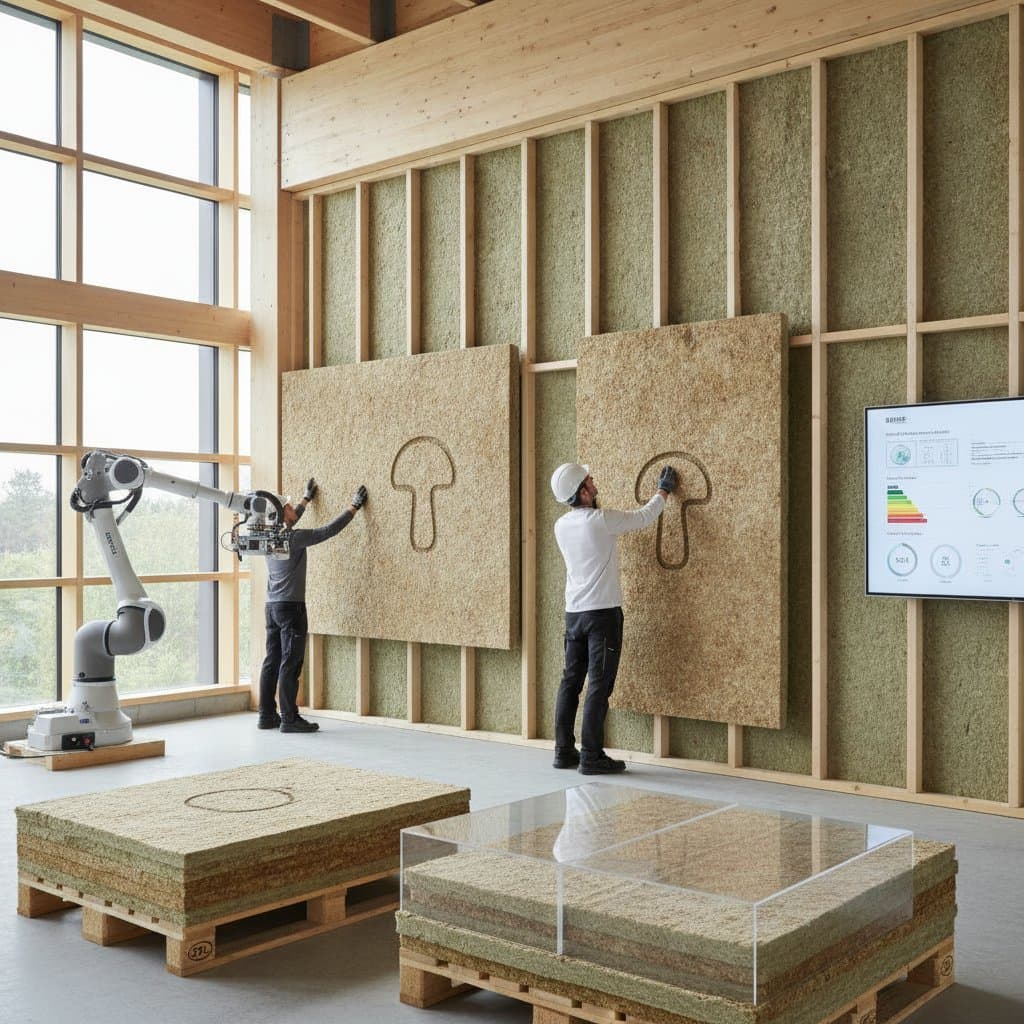
Mushroom insulation forms when mycelium grows through agricultural waste such as corn husks or sawdust. The fungal network creates a dense yet lightweight panel. Drying halts growth and produces rigid blocks ready for walls or attics.
Production requires far less energy than conventional fiberglass or foam methods. The finished product returns safely to soil at the end of its service life. Several firms now refine growth techniques to support larger construction projects.
Reasons Homeowners Choose Mycelium Insulation
Sustainable builders value materials that cut both environmental load and future expenses. Mycelium meets these aims through four core traits.
- Renewable sourcing from farm waste rather than mined or petroleum inputs
- Strong thermal performance that stabilizes indoor temperatures
- Absence of synthetic fibers or chemical emissions
- Full compostability without toxic residue
These traits suit renovation projects that prioritize health and circular resource use.
Current Pricing Overview
Mushroom insulation remains in early commercial production, so prices exceed standard options. Expect material and installation costs between 12 and 24 dollars per square foot. Regional labor rates and panel thickness affect the final figure.
Standard alternatives cost less at purchase.
- Fiberglass runs 1 to 3 dollars per square foot
- Mineral wool falls between 2 and 5 dollars per square foot
- Spray foam averages 4 to 7 dollars per square foot
Long term energy reductions and disposal savings often close the initial gap.
Variables That Influence Total Expense
Five main factors determine the delivered price of mycelium insulation.
- Production volume, which will drop as manufacturing expands
- Panel versus loose fill formats and the labor they require
- Climate driven thickness needs that raise material volume
- Shipping bulk for remote sites
- Optional moisture or fire coatings required by local codes
Planning around these elements helps control budgets.
Energy Savings Over Time
Mycelium traps air in natural pockets that slow heat movement. This performance can cut annual heating and cooling loads by up to 20 percent in sealed homes. Reduced utility bills accumulate across seasons.
The material also resists pests and mold without added chemicals. Fewer inspections or replacements lower ongoing maintenance costs compared with cellulose or fiberglass.
Health and Environmental Profile
Conventional insulation often releases formaldehyde or volatile compounds. Mycelium produces none of these emissions. Its growth process avoids high heat manufacturing and therefore lowers overall carbon output.
At demolition the panels break down into soil amendments. This closed loop avoids landfill fees and supports regenerative building practices.
Installation Choices
Small projects such as sheds allow DIY growth kits that combine spores and substrate. Larger homes benefit from professional crews familiar with vapor barriers and code requirements.
DIY keeps material costs low for limited areas yet demands careful moisture control. Professional work ensures proper sealing and documentation for permits.
Longevity and Upkeep
Installed panels maintain performance for decades when protected by standard wall finishes. They do not settle or sag. Regular checks of vents and joints keep humidity within safe limits.
Damaged sections remove easily and compost without special handling.
Full Life Cycle Cost View
Higher upfront outlays return value through lower energy use, extended service life, and zero disposal fees. Traditional materials may appear cheaper yet often incur replacement and landfill expenses.
Market Outlook
Bio based insulation continues to attract interest from builders focused on low impact projects. As output scales, prices are projected to align with mid tier conventional products within several years.
Selecting Materials for Your Project
Begin with local suppliers who stock bio based lines. Compare detailed quotes that list both product and labor. When the initial investment fits renovation plans, the combination of energy performance and end of life benefits supports the decision.