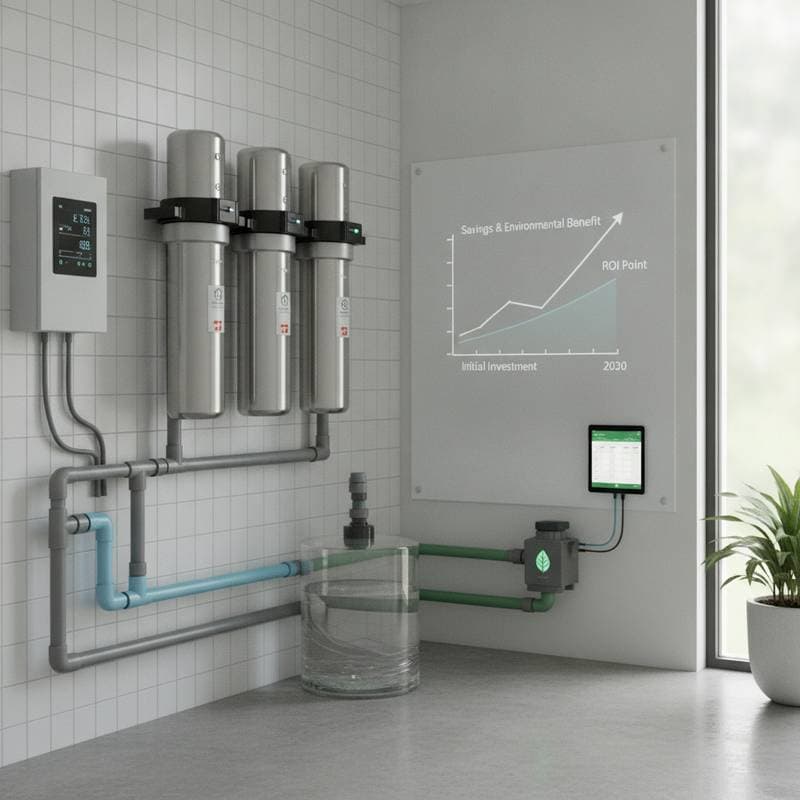
Greywater Systems: Costs Versus Long-Term Returns
Homeowners seek effective methods to control rising water expenses amid growing environmental concerns. Greywater systems recycle water from everyday household activities. This approach reduces utility costs while supporting local water conservation efforts.
The following sections detail system operations, installation expenses, and long-term financial benefits. Readers will find practical comparisons, maintenance guidance, and criteria for professional involvement.
Installation Costs and Influencing Factors
System pricing varies based on property design, regional codes, and desired treatment capabilities.
- Basic diversion setups range from 800 to 1500 dollars including parts and labor.
- Filtered mid-level options cost between 2000 and 5000 dollars.
- Comprehensive household integrations run from 6000 to 15000 dollars.
Several elements determine final expenses. Accessible plumbing layouts lower labor requirements. Pre-existing irrigation infrastructure reduces additional work. Advanced filtration components increase material outlays. Permit fees typically add 300 to 800 dollars.
Single-story residences with convenient fixture placement allow simpler setups. Multi-story properties often require pumps that elevate overall investment.
Installation Approaches
Suitable DIY Projects
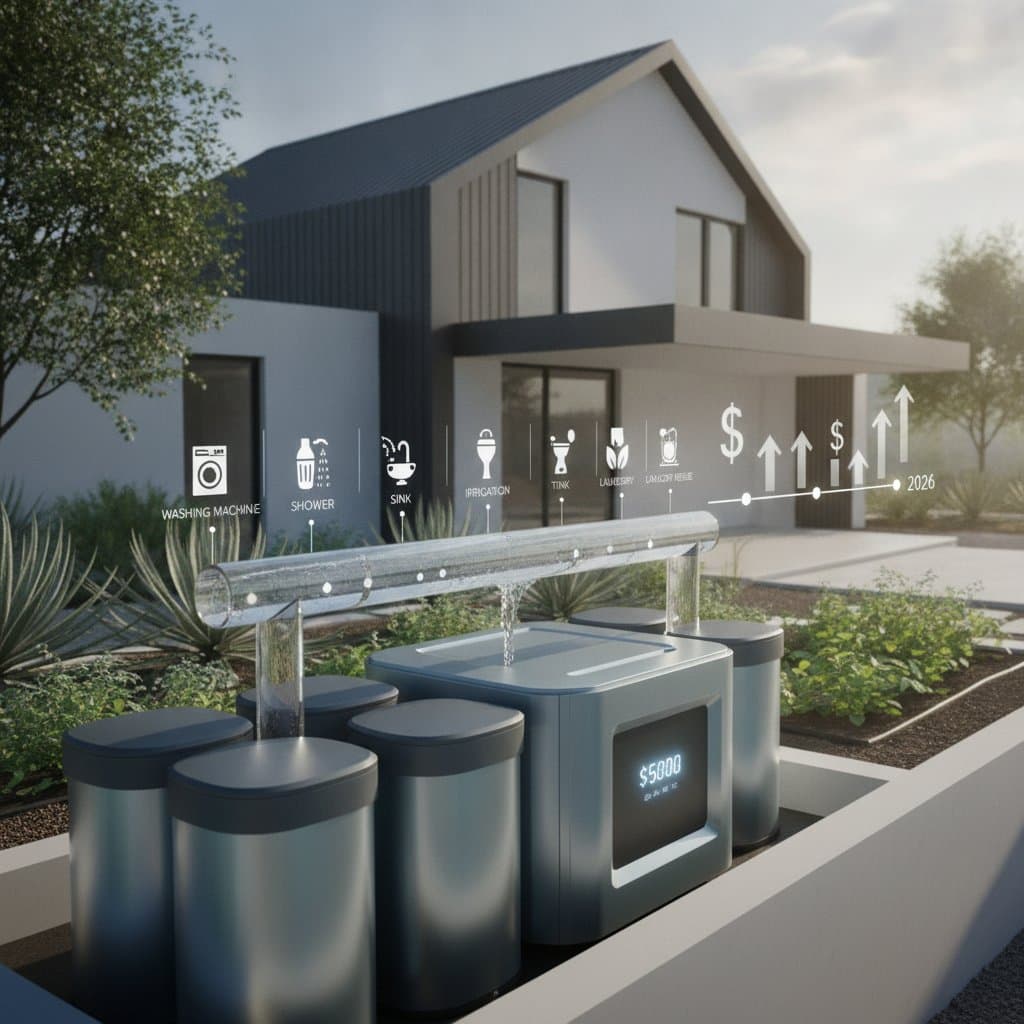
Laundry-to-landscape conversions suit skilled homeowners. The task reroutes washing machine discharge to an underground irrigation grid. Completion usually requires one weekend along with standard tools.
Difficulty level stands at three out of ten. Time commitment falls between one and two days. Material costs range from 300 to 700 dollars.
Water must avoid surface pooling and direct contact with food crops. Local codes govern all modifications. Biodegradable cleaning products protect soil conditions.
Professional Services
Complex connections involving multiple sources or mechanical components warrant expert installation. Licensed specialists maintain code compliance and separate supply lines properly.
Difficulty level reaches eight out of ten. Project duration spans two to five days. Fees begin at 4000 dollars.
Certified components and safety valves support reliable operation over time.
Addressing Operational Issues
Flow Restrictions
Residue buildup reduces system performance. Regular filter cleaning and inlet screens prevent clogs. Certain additives should be avoided to limit residue accumulation.
Odor Development
Persistent smells signal drainage problems. Proper outlet placement and complete tank emptying resolve most cases.
Automatic Interruptions
Sensors may halt operation during detected issues. Filter maintenance followed by flow testing restores function.
Persistent difficulties require consultation with certified recycling technicians.
Regulations and Available Support
Rules differ by location. Larger installations frequently need approval. Some jurisdictions provide financial incentives for reduced water consumption. Rebates range from 200 to 1000 dollars based on capacity.
Verification of local standards prevents later modifications. Code documents from plumbing and environmental offices specify acceptable materials and methods.
Comparison of Water Reuse Options
Greywater systems offer one path among several conservation strategies.
| System Type | Installation Cost | Annual Savings | Maintenance | Primary Applications |
|---|---|---|---|---|
| Greywater reuse | 1000 to 10000 | Moderate to high | Low to medium | Irrigation and toilets |
| Rainwater collection | 2000 to 12000 | Moderate | Medium | Gardens and laundry |
| Blackwater treatment | 10000 to 25000 | High | High | Full household recycling |
Greywater solutions require less processing than blackwater alternatives. They deliver steadier volumes than rainwater options.
Planning for Effective Results
- Integrate separate drainage during new construction or renovations.
- Select cleaning products free of soil-damaging compounds.
- Size storage to match actual demand and prevent stagnation.
- Check soil conditions periodically to maintain balance.
- Pair the system with weather-responsive irrigation controls.
Combined with low-flow fixtures, these measures can reduce overall household water use substantially.
Sustaining Long-Term Performance
Consistent upkeep preserves both economic and ecological advantages. Filter attention, appropriate product choices, and routine checks maintain efficiency.
Properties in high-cost or restricted water areas gain particular advantages. The approach delivers ongoing savings alongside increased property resilience.
Homeowners achieve meaningful reductions in expenses and resource demands through this practical upgrade.