Greywater Systems: Costs and Rebates for 2026
Greywater systems capture water from showers, sinks, and washing machines for reuse in irrigation and other nonpotable applications. Homeowners who install these systems in 2026 can reduce outdoor water consumption while taking advantage of available financial incentives.
Factors That Influence Installation Costs
Several variables determine the final price of a greywater setup. Accessible plumbing and crawl spaces simplify modifications, whereas multi story homes or slab foundations increase labor requirements. Larger properties with extensive landscaping demand bigger tanks and pumps. Basic mesh filters remain less expensive than ultraviolet or biological treatment units. Local codes may mandate permits, inspections, or backflow prevention devices that raise total expenses. Clay soils or steep slopes often require specialized irrigation designs.
Available Rebates and Incentives
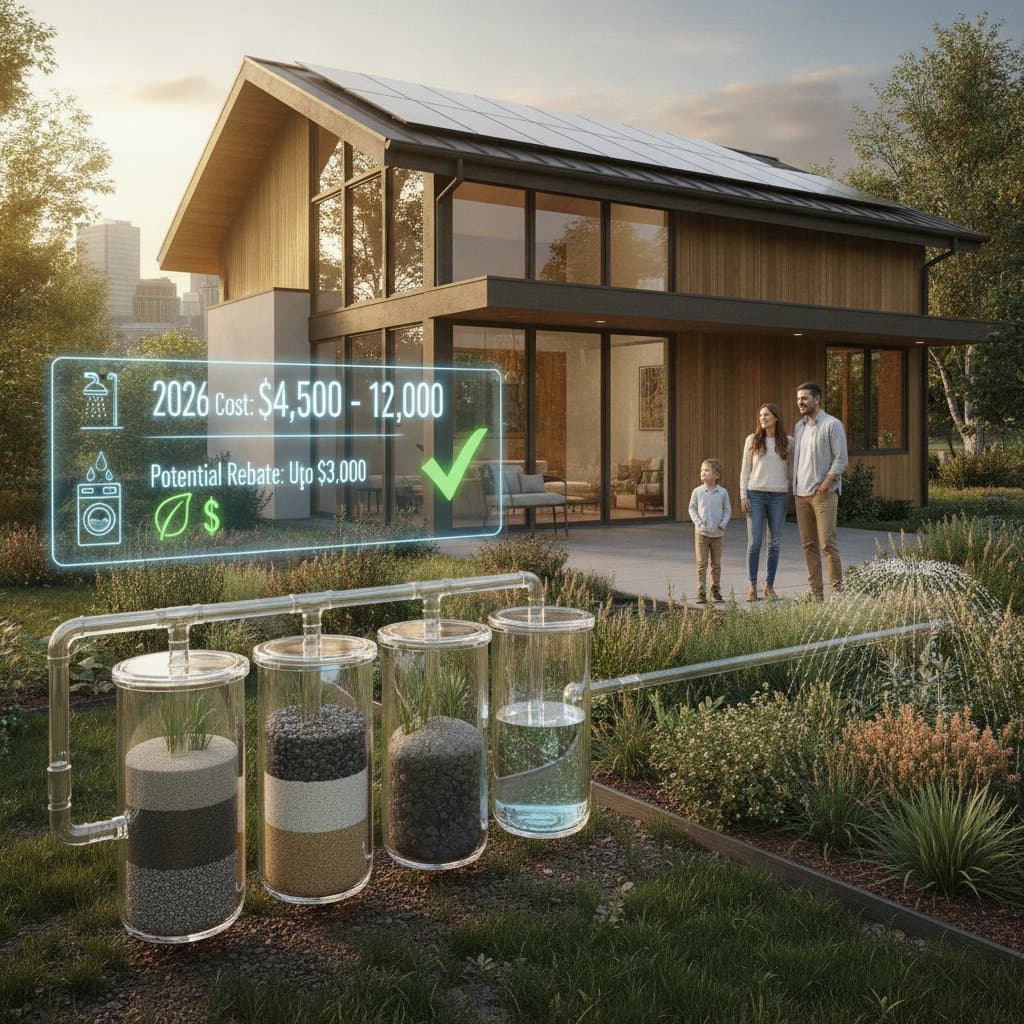
Many utilities and municipalities provide cash rebates between 200 and 2000 dollars for qualifying greywater installations. State programs sometimes reimburse a percentage of certified system costs. Homeowners can also receive free site evaluations or technical assistance from local water districts. Checking utility websites and regional conservation offices reveals current eligibility rules. Stacking multiple incentives can cover up to half the project expense for approved installations.
DIY Versus Professional Installation
A competent homeowner can complete a basic diversion system in one weekend using kits priced from 500 to 1200 dollars. These kits supply filters, hoses, and diverter valves. Proper drainage slope and separation from potable lines represent the primary technical hurdles. Professional installation becomes necessary for any treatment system or indoor plumbing connection. Licensed plumbers ensure code compliance and add backflow prevention. Labor charges typically range from 1000 to 4000 dollars based on project complexity.
Maintenance and Operating Costs
Routine care keeps a greywater system functional for 10 to 20 years. Annual tasks include filter cleaning, pump inspection, and irrigation line checks at an average cost of 100 to 300 dollars. Treated systems need occasional disinfection or filter replacement. Many users achieve 30 to 50 percent reductions in outdoor water use, which offsets ongoing maintenance over time.
Environmental and Utility Savings
Greywater recycling can lower total household water demand by up to 40 percent. Properties in drought areas or regions with high water rates realize the largest monthly bill reductions. The practice also decreases stormwater runoff and reduces demand on municipal treatment plants. Plants irrigated with recycled water frequently display improved health from nutrients present in mild soaps and detergents.
Common Installation Challenges
Retrofitting older homes may encounter limited plumbing access or sealed walls that require partial demolition. Storage volume must balance with available yard space to avoid odor or mosquito problems from oversized tanks. A certified installer can tailor the design to both site conditions and local regulations.
Steps to Prevent Future Problems
Avoid bleach, fabric softeners, and harsh chemicals in laundry loads directed to the system. These substances degrade soil quality and clog filters. Regular irrigation line inspections stop flooding or pooling. Systems equipped with bypass valves allow excess water to divert to the sewer during heavy rainfall.
Long Term Value for Property Owners
A greywater installation creates resilience against rising water rates and usage restrictions. Rebates combined with lower operating costs shorten payback periods. Real estate agents observe that water efficient upgrades increase market appeal to environmentally conscious buyers. Integrating reuse capacity during planned landscaping or bathroom work avoids more expensive retrofits later.