Understanding Permeable Driveway Expenses in 2026
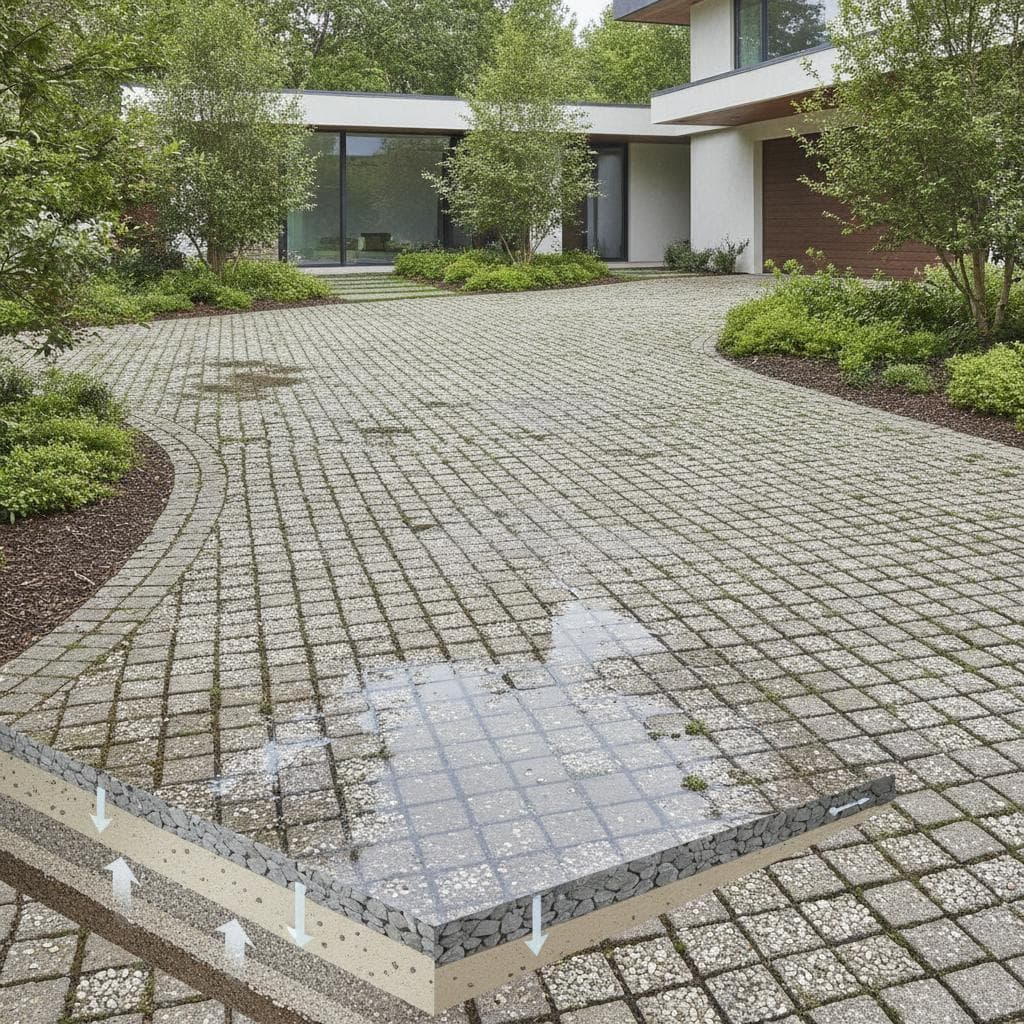
Permeable driveways allow water to pass through the surface into the ground below. This design reduces runoff and supports better drainage on residential properties. Costs for professional installation range from 12 to 28 dollars per square foot when calculated for projects completed in 2026.
Homeowners gain both functional stormwater control and an attractive surface that fits many architectural styles. The price range reflects differences in materials, site preparation, and regional labor rates. Planning begins with an accurate measurement of the driveway area and a review of local soil conditions.
Material Choices and Associated Prices
Several surface options exist, each with distinct cost profiles. Permeable pavers typically fall at the higher end of the spectrum because of their durability and visual appeal. Gravel based systems cost less upfront yet require more frequent upkeep to maintain permeability.
- Permeable concrete averages 15 to 22 dollars per square foot installed.
- Porous asphalt runs between 12 and 18 dollars per square foot.
- Interlocking pavers range from 18 to 28 dollars per square foot depending on thickness and pattern.
Base preparation materials such as crushed stone and geotextile fabric add to the total. These layers ensure structural stability and proper water filtration over time.
Key Variables That Affect Final Pricing
Site accessibility influences labor hours and equipment needs. Sloped lots or properties with limited access often require additional grading work. Soil type determines whether extra excavation or amended fill material becomes necessary.
Regional differences appear in both material delivery fees and contractor rates. Urban areas with higher demand may see prices at the upper portion of the quoted range. Design complexity, including curves, borders, or integration with existing landscaping, further increases expenses.
Steps in the Installation Sequence
A typical project starts with removal of the existing driveway surface. Excavation follows to the depth required for the chosen system and local frost line considerations. The base receives compaction in layers to create a stable foundation.
Surface material placement occurs after the base passes inspection. Joints between pavers receive permeable filler to preserve drainage capacity. Final compaction and cleanup complete the process, usually within three to five days for an average two car driveway.
Ongoing Care and Financial Benefits
Routine maintenance includes periodic sweeping or vacuuming to remove debris that could clog surface voids. Annual inspections help identify early signs of settling or reduced permeability. Proper care extends service life to twenty years or more.
Reduced need for storm sewer upgrades and lower risk of water damage around the foundation represent long term savings. Some municipalities offer rebates or tax incentives for installations that meet environmental standards. These programs offset initial investment and improve overall project economics.
Preparing for a Successful Project
Obtain multiple written estimates that itemize materials, labor, and site work separately. Verify that each contractor holds appropriate licensing and insurance for permeable installations. Review completed projects in the local area to assess workmanship quality.
Confirm permit requirements with the building department before work begins. Clear communication about drainage goals and aesthetic preferences leads to results that meet both functional and visual expectations.