Greywater System Costs and Permit Requirements
A home water bill rises quickly when showers, laundry cycles, and sink drains send usable water straight to the sewer. A greywater system captures that lightly used water and redirects it for irrigation or toilet flushing. Homeowners gain lower utility bills, reduced strain on local supplies, and a more sustainable household. Before installation, review costs, permit rules, and installation details.
The Quick Answer
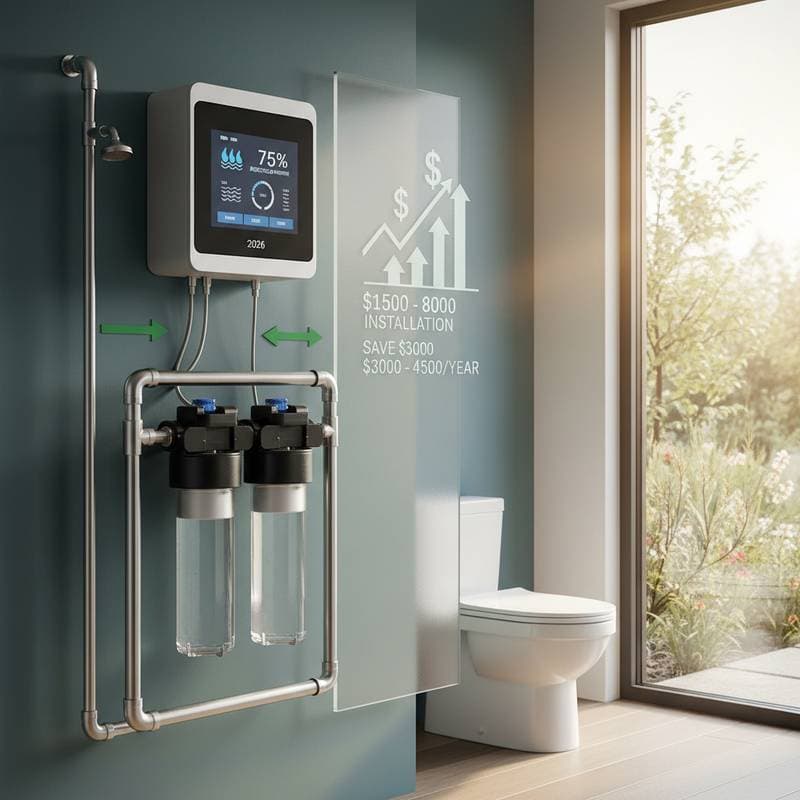
A residential greywater system typically costs between 1,500 and 8,000 dollars. The final amount depends on size, complexity, and whether the setup is a simple diversion or a fully treated reuse system. Most homeowners spend 3,000 to 4,500 dollars for a system that handles laundry and bathroom sinks. Permits are often required, especially for systems that store or distribute water beyond surface irrigation. Local plumbing codes reference health department or environmental agency guidelines to ensure safe reuse.
How Greywater Systems Work
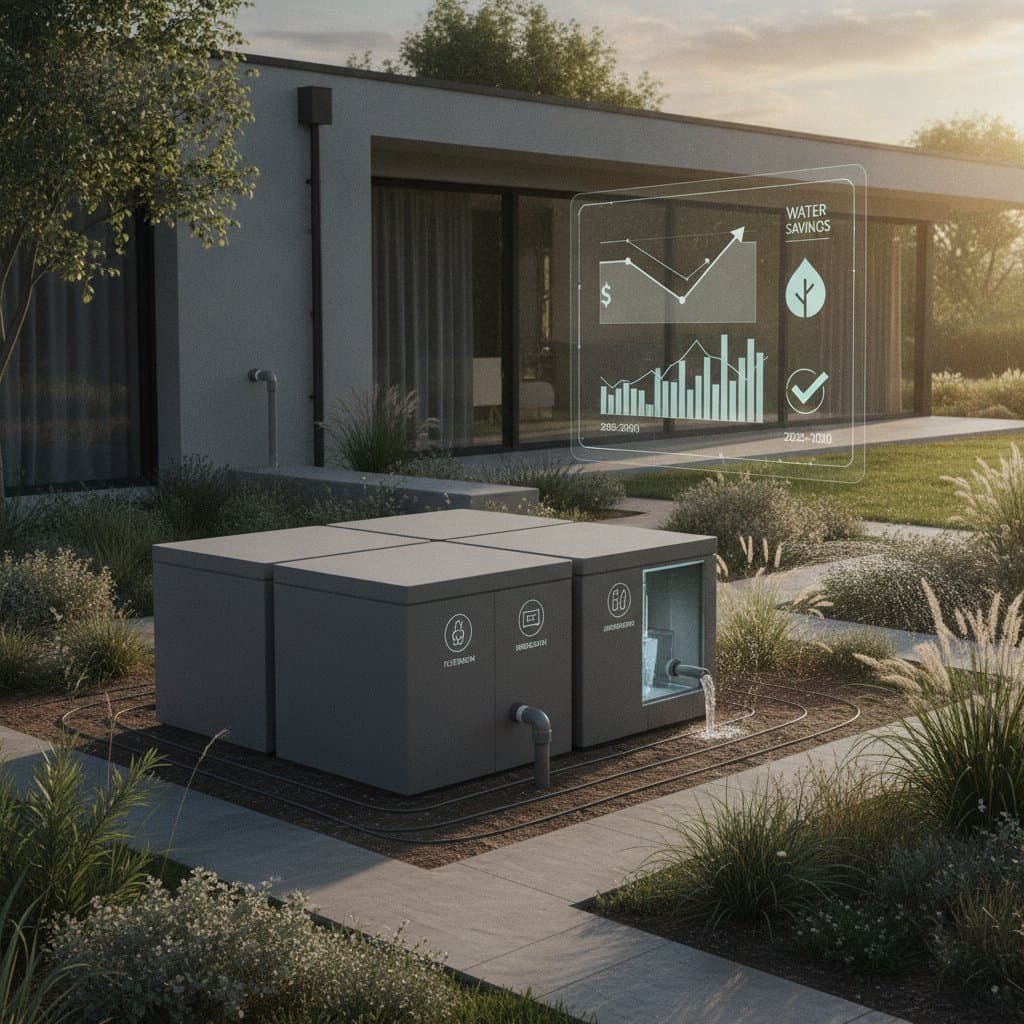
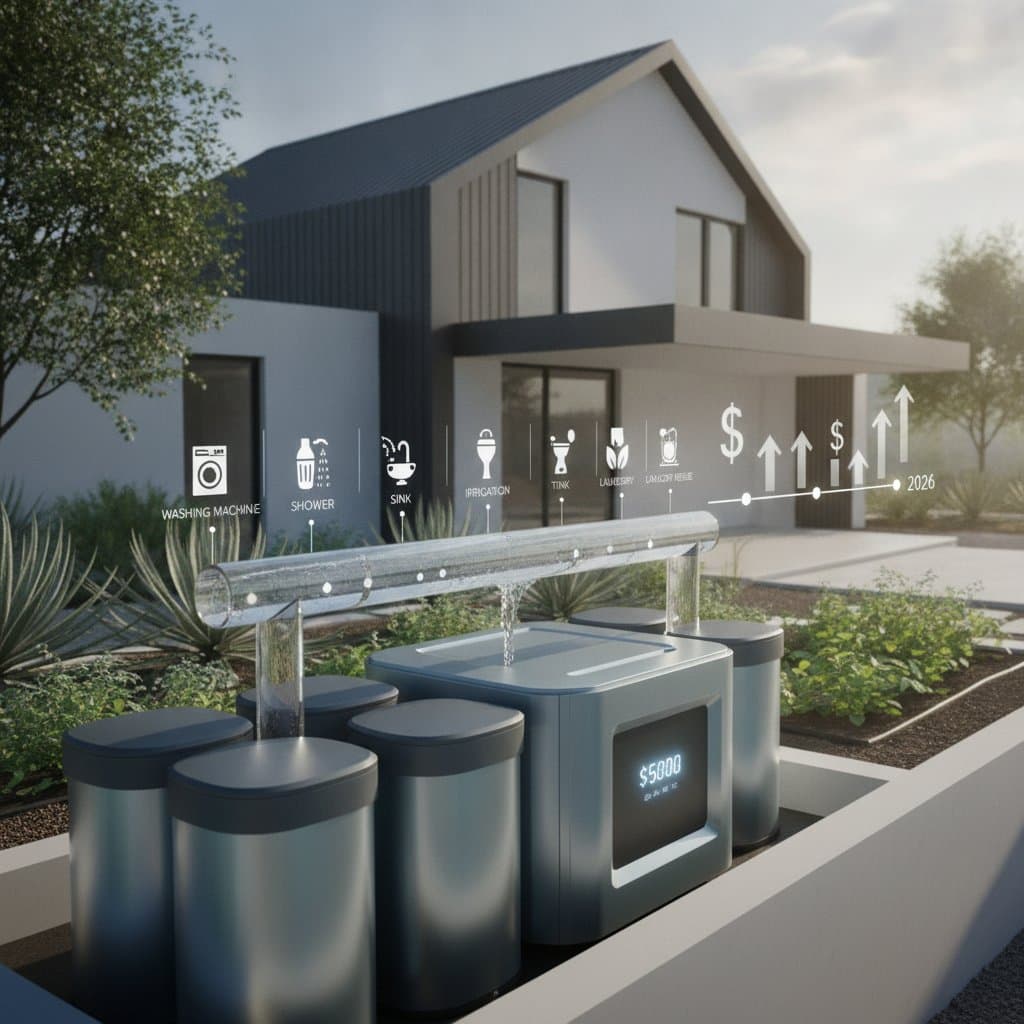
Greywater comes from showers, tubs, bathroom sinks, and washing machines. It excludes water from toilets, kitchen sinks, or dishwashers because those sources carry higher contamination risks. A greywater system filters, stores, and redirects this water for landscape irrigation or toilet refilling.
Two main types exist.
- Simple diversion directs water from a single fixture, such as a washing machine, to outdoor irrigation without storage. This option suits small yards or DIY retrofits and costs 1,500 to 3,000 dollars.
- Treatment and storage systems filter and store greywater for reuse in toilets or drip irrigation. These setups fit larger homes or integrated new builds and cost 4,000 to 8,000 dollars.
Planning Your Greywater Setup
Map water sources and destinations before purchasing equipment. Measure distances between fixtures and outdoor reuse areas. Each additional 10 feet of pipe increases both cost and installation complexity.
Required components include piping rated for non-potable water, a filter unit to remove lint and hair, a pump when gravity flow is not possible, a storage tank of 50 to 150 gallons, and control valves with backflow preventers. Maintain a minimum 2 percent slope on gravity-fed lines. Position irrigation outlets at least 12 inches below the soil surface.
Permit and Code Requirements
Building departments classify greywater systems as plumbing modifications, so a permit is usually necessary. The application requires a site plan, piping diagram, and equipment list.
Common requirements cover backflow prevention through a physical air gap or valve, an overflow connection to the sewer or septic system, setback distances of at least 5 feet from property lines and 50 feet from wells, and clear labeling of all non-potable pipes.
Some regions allow small laundry-to-landscape systems without a permit when basic safety standards are met. Confirm requirements with the local building department before any work begins.
Typical Cost Breakdown
A mid-range system that serves two bathrooms and a laundry line includes the following approximate costs.
- Filter unit: 150 to 300 dollars
- Piping and fittings: 200 to 400 dollars
- Pump (optional): 250 to 600 dollars
- Storage tank: 500 to 1,200 dollars
- Control valves and sensors: 150 to 350 dollars
- Labor and permits: 800 to 2,000 dollars
DIY installation reduces labor expenses, yet all plumbing work must still meet code. A licensed plumber or water recycling specialist lowers the risk of leaks and inspection delays.
DIY vs. Professional Installation
Homeowners with moderate plumbing skills can install a basic laundry diversion system using flexible tubing and gravity-fed connections. The project typically requires a weekend and tools such as PVC cutters, wrenches, and a pipe threader.
Professional installation is recommended for systems that treat or store water. These setups involve pressure-rated tanks, electrical connections, and precise filter calibration. Improper work can cause clogs, odors, or contamination.
Accessibility and Safety Considerations
Households with children or older adults should prioritize safety and convenience. Select systems that feature automatic shutoff valves, clearly labeled controls, and accessible filter housings positioned 24 to 36 inches from the floor.
Cover irrigation outlets with mulch or soil to prevent accidental contact. For wheelchair-accessible gardens, install drip lines along raised beds at a minimum height of 28 inches.
Common Mistakes to Avoid
- Never connect greywater lines to kitchen or toilet drains.
- Use greywater to supplement, not replace, normal watering schedules.
- Drain systems before freezing temperatures arrive.
- Choose biodegradable, low-sodium detergents to protect soil health.
- Obtain all required permits to avoid fines and rework.
Long-Term Maintenance and Costs
Clean filters monthly, flush lines every few weeks, and inspect seals twice a year. Replacement filters cost 20 to 40 dollars. Pumps typically last five to seven years. Annual maintenance expenses average 100 to 250 dollars.
Implementing Your Greywater System
Proper planning, code compliance, and routine upkeep deliver reliable water savings and support sustainable household practices over many years.