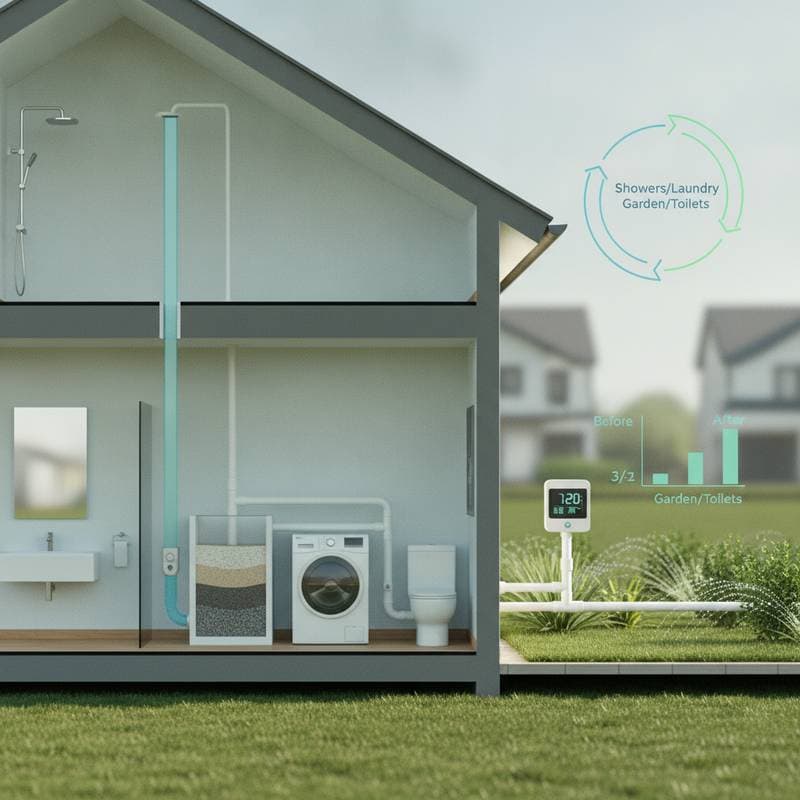
Greywater Systems Cut Water Bills by One-Third
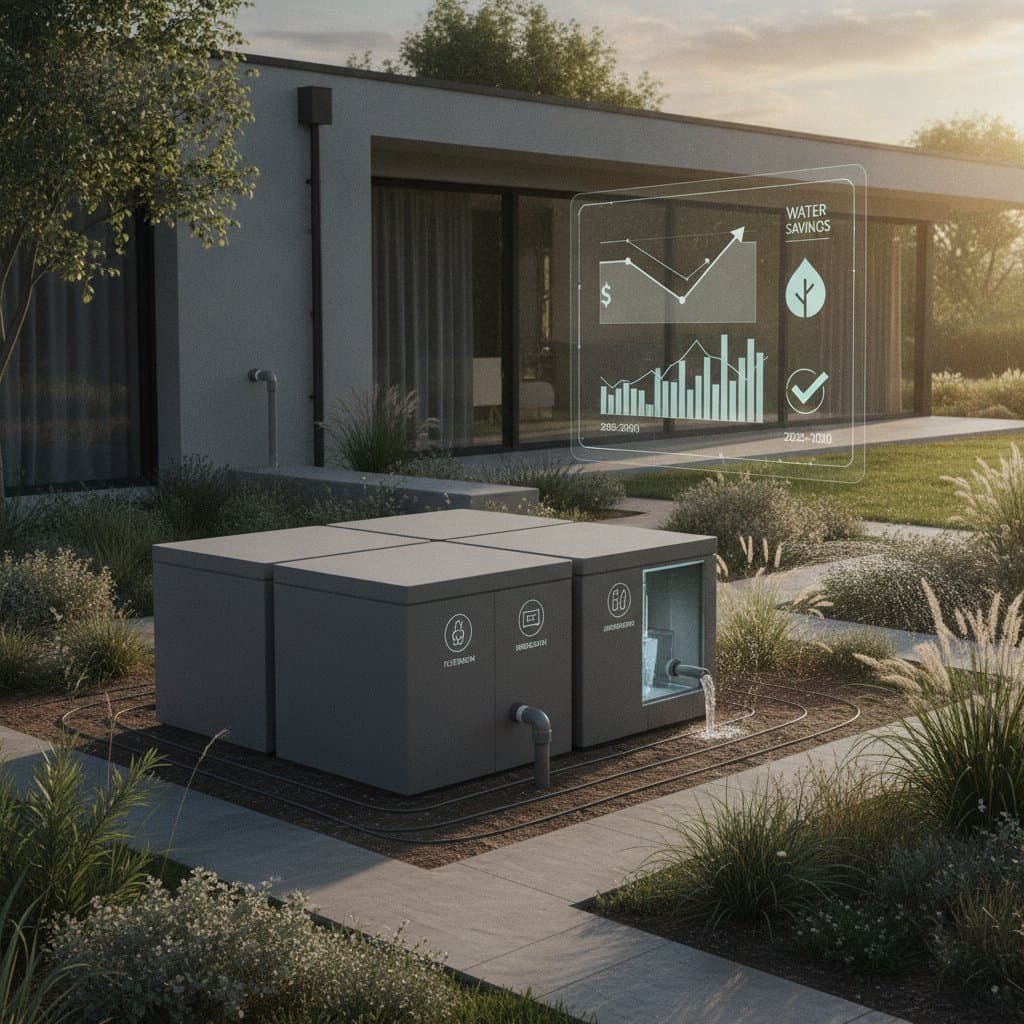
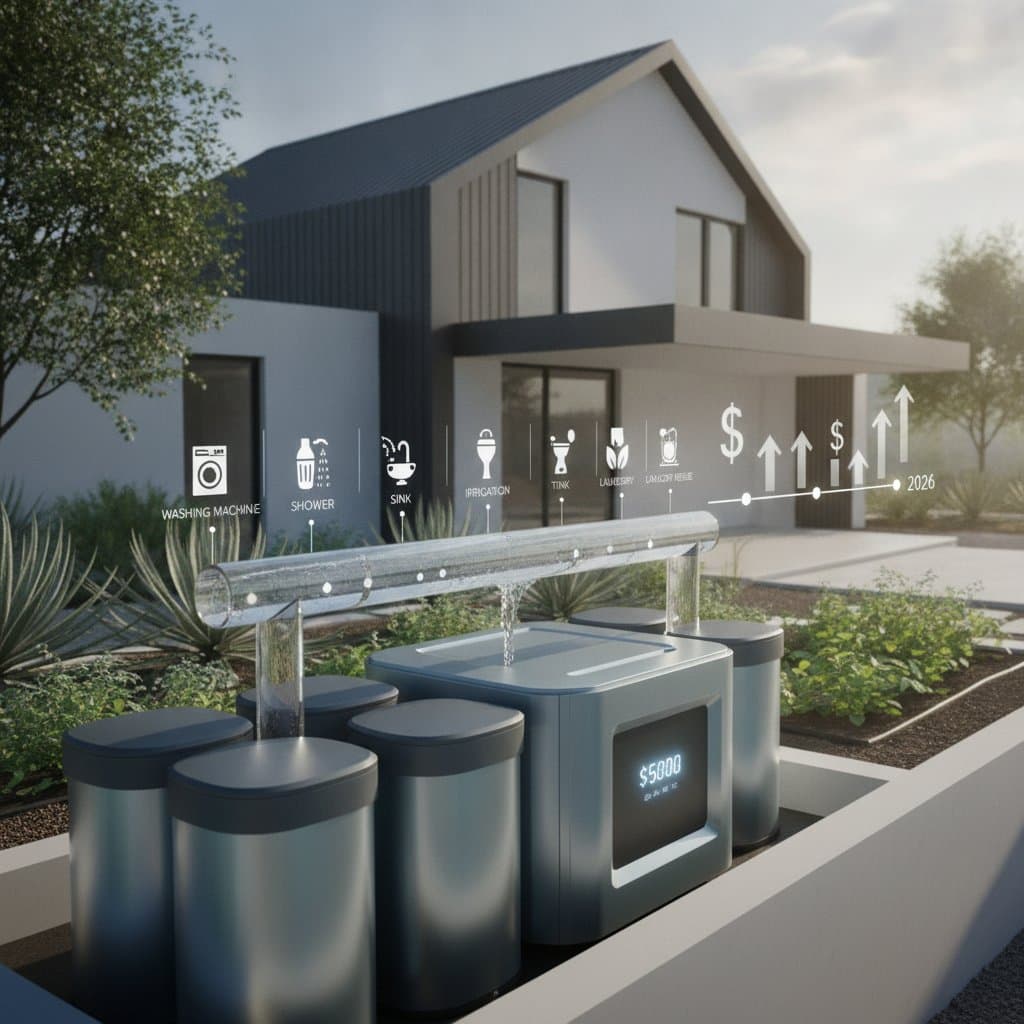
Greywater systems capture water from sinks, showers, and laundry for reuse in irrigation or toilet flushing. Homeowners can reduce overall water consumption by up to 40 percent with properly sized setups. These systems range from simple diverter kits to full property networks that include storage and treatment.
Typical Costs and Influencing Factors
Professional installation averages between 6000 and 15000 dollars. Full property systems that support both irrigation and indoor reuse sit at the higher end of that range. Basic laundry to landscape setups cost less when homeowners handle the work themselves.
Several variables affect final pricing. Older homes often require extra labor to access existing pipes. Larger storage tanks raise material expenses. Multi stage filtration or ultraviolet treatment adds further cost. Irrigation layout determines the size of pumps and distribution lines.
Most households recover the initial investment within five to seven years through lower utility bills. Savings accelerate in areas with high water rates or frequent drought restrictions.
Permit and Code Considerations
Local plumbing and health codes govern greywater installations. A permit is usually required when systems alter supply lines, connect to irrigation, or store water for later use. Applications commonly need a plumbing diagram, backflow prevention details, filtration specifications, and setback measurements from wells or property boundaries.
Laundry to landscape systems that discharge directly to soil through a simple valve often qualify for exemptions. Confirm requirements with the building department before any work begins. Some municipalities provide rebates or faster review for designs that meet efficiency targets.
Step by Step Installation
- Evaluate water sources, pipe routes, and yard slope.
- Choose system type, tank capacity, and treatment method.
- Submit plans for approval when permits apply.
- Connect lines, install separate piping, and verify flow.
- Schedule inspection before regular operation.
Basic systems finish in one or two days. Whole home projects may require up to a week. Certified installers ensure correct filtration and code compliance.
Professional versus DIY Approaches
Preassembled kits allow capable homeowners to build laundry to landscape systems with standard tools. These kits contain diverter valves, hoses, and basic filters. More complex setups that involve multiple sources or underground tanks benefit from licensed plumbers or reuse specialists.
Request itemized quotes that list materials, labor, permit fees, projected savings, and warranty terms. Professional work typically delivers better long term reliability and fewer service calls.
Routine Maintenance Practices
Clean or replace filters every few months. Inspect valves and pumps once a year. Avoid bleach, salts, and boron in household cleaners because these substances damage plants and soil. Use only biodegradable detergents labeled safe for greywater applications.
Check irrigation lines for clogs or leaks. Monitor water clarity and odor. Flush tanks periodically to clear sediment. A maintained system can function for more than ten years with minimal repairs.
Water Savings and Site Benefits
Greywater reuse lowers household demand by up to 40 percent. Properties in high cost or restricted water districts see the quickest returns. Additional advantages include reduced municipal supply pressure and lower energy use for treatment and delivery.
Pairing greywater equipment with rainwater collection creates a closed loop that further decreases outdoor demand. Consistent subsurface irrigation also improves soil structure over time.
Addressing Common Concerns
Slow drainage, odors, or uneven distribution usually trace back to clogged filters or neglected valves. Early inspection prevents escalation. Homeowners planning plumbing or landscape upgrades should consult a reuse specialist during initial design to integrate components at lower cost and maintain full code compliance.