Understanding Greywater Installation Costs and Permits
Homeowners focus on water conservation as utility rates rise. Greywater systems offer a direct method to reuse water from sinks, showers, and laundry for irrigation or toilet flushing. Proper planning covers system selection, budgeting, and local code compliance.
Components of a Greywater System
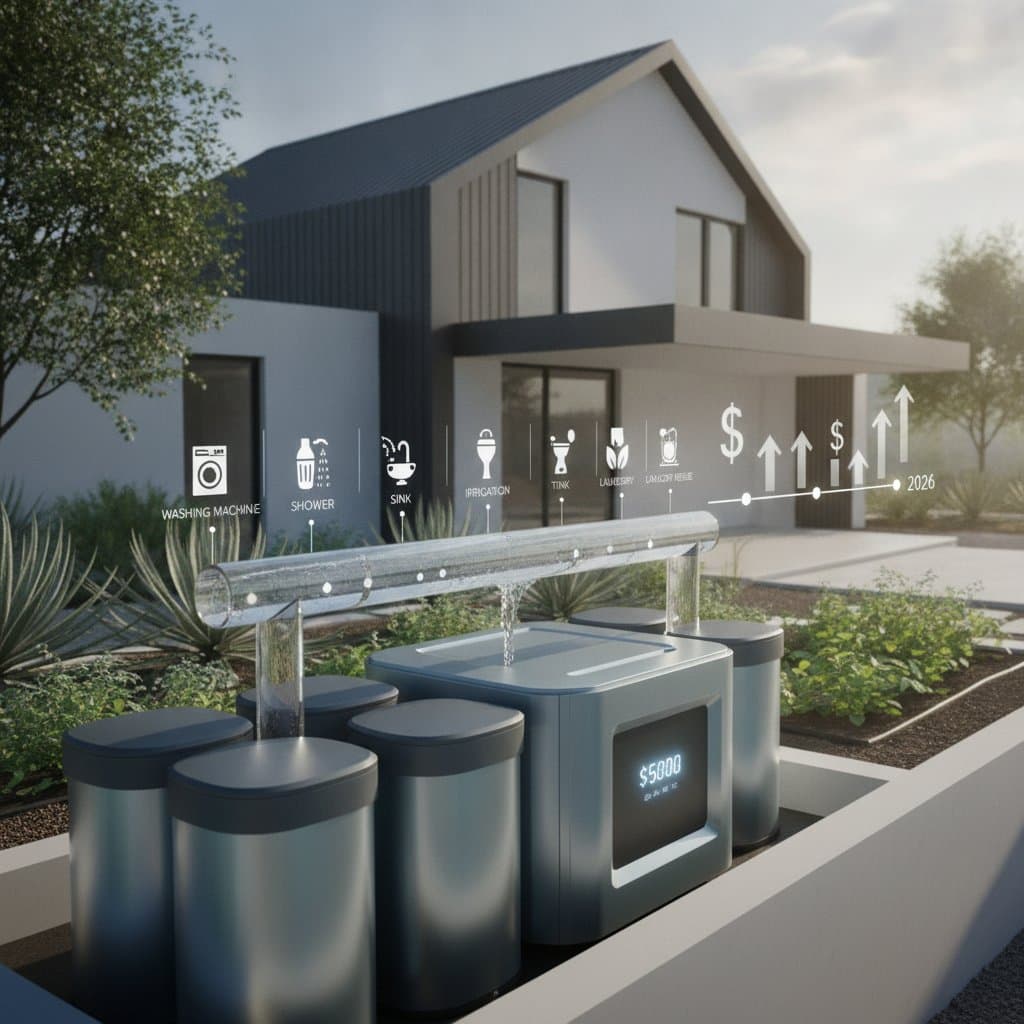
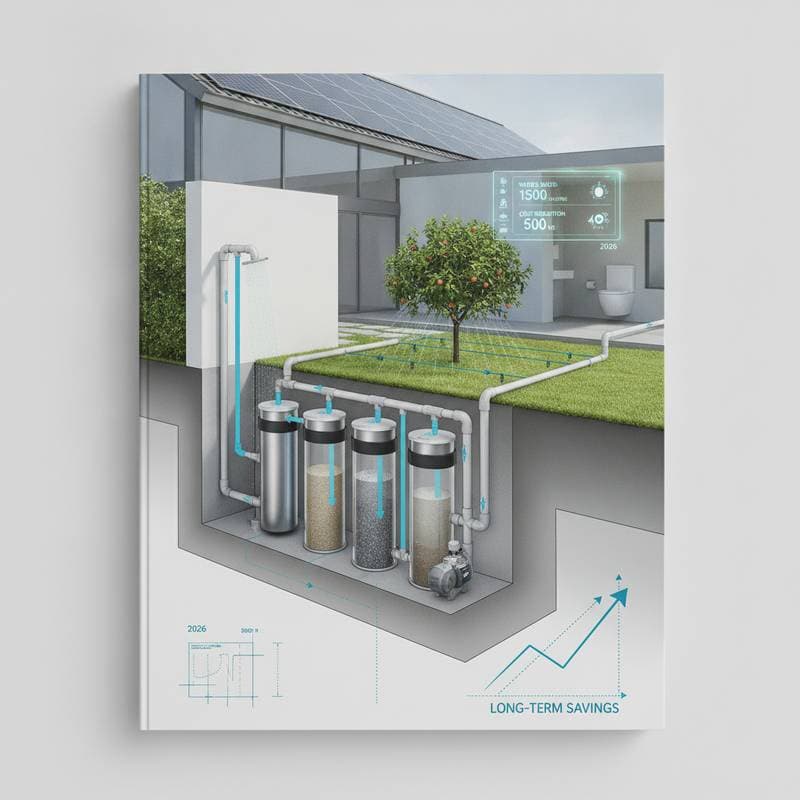
A greywater system gathers water from selected drains, removes solids and soap residue through filtration, and routes the output to irrigation lines or storage. Two primary designs exist.
- Simple diversion systems send water straight to garden beds with basic screening.
- Complex treatment systems add pumps, disinfection units, and tanks for indoor reuse such as toilet flushing.
Property size, soil type, and intended reuse determine the best choice. Simple setups cost less to build and operate. Advanced setups deliver more options yet demand higher investment and stricter oversight.
Installation Cost Factors
Total expenses range from a few hundred dollars for basic laundry diversion to several thousand dollars for automated treatment and storage. Six elements shape the final price.
- System type and daily capacity dictate pipe size and tank volume.
- Plumbing access affects labor hours. Exposed crawl spaces reduce time compared with slab foundations.
- Filtration hardware ranges from mesh screens at low cost to UV modules exceeding one thousand dollars.
- Storage tanks require excavation when placed underground, adding both materials and equipment fees.
- Licensed labor typically represents forty to sixty percent of the project budget.
- Permit and inspection charges vary by municipality and system scale.
Permit and Code Requirements
Local rules protect potable water and prevent backflow. Most jurisdictions require a site plan that shows pipe routes, backflow preventers, and overflow connections to the sewer. Setback distances from wells and property lines must be observed. Simple laundry-to-landscape setups often qualify for permit exemptions when discharge stays on the surface. Systems that feed toilets or use subsurface drip lines require formal review and approval.
Professional versus Owner Installation
Owners with plumbing experience can complete a single-fixture diversion using standard tools. All work must still meet code. Errors produce leaks or odors that erase savings. Certified installers prepare permit documents, size components correctly, and schedule inspections on the first attempt. Many utility districts offer rebates only for professionally documented projects.
Routine Maintenance Needs
Filters require cleaning every three months. Tanks need periodic flushing to remove sediment. Pumps and valves receive annual checks. Simple surface systems need only screen inspection. Treatment units benefit from service contracts that cover parts and labor.
Water Savings and Site Benefits
A correctly sized system can lower annual water use by up to thirty percent in homes with large irrigation demands. Reduced sewer volume also eases municipal treatment loads. Nutrients remaining in the water support plant growth without additional fertilizer.
Planning Your Greywater Project
Review local codes first. Compare simple and complex designs against household water volume and reuse goals. Obtain written quotes that separate equipment, labor, and permit fees. Schedule professional installation during drier months to minimize landscape disruption. Track maintenance dates to preserve warranty coverage and system performance.