Greywater Systems: Real Costs and Payback Timeline
- Assess original draft for missing cost breakdowns and regional data
- Expand with specific pricing ranges and savings calculations
- Restructure for logical flow from basics to implementation steps
- Apply strict rules on punctuation, sentence length, and paragraph limits
- Verify total word count stays under 1800 while adding practical details
Understanding Greywater Reuse Basics
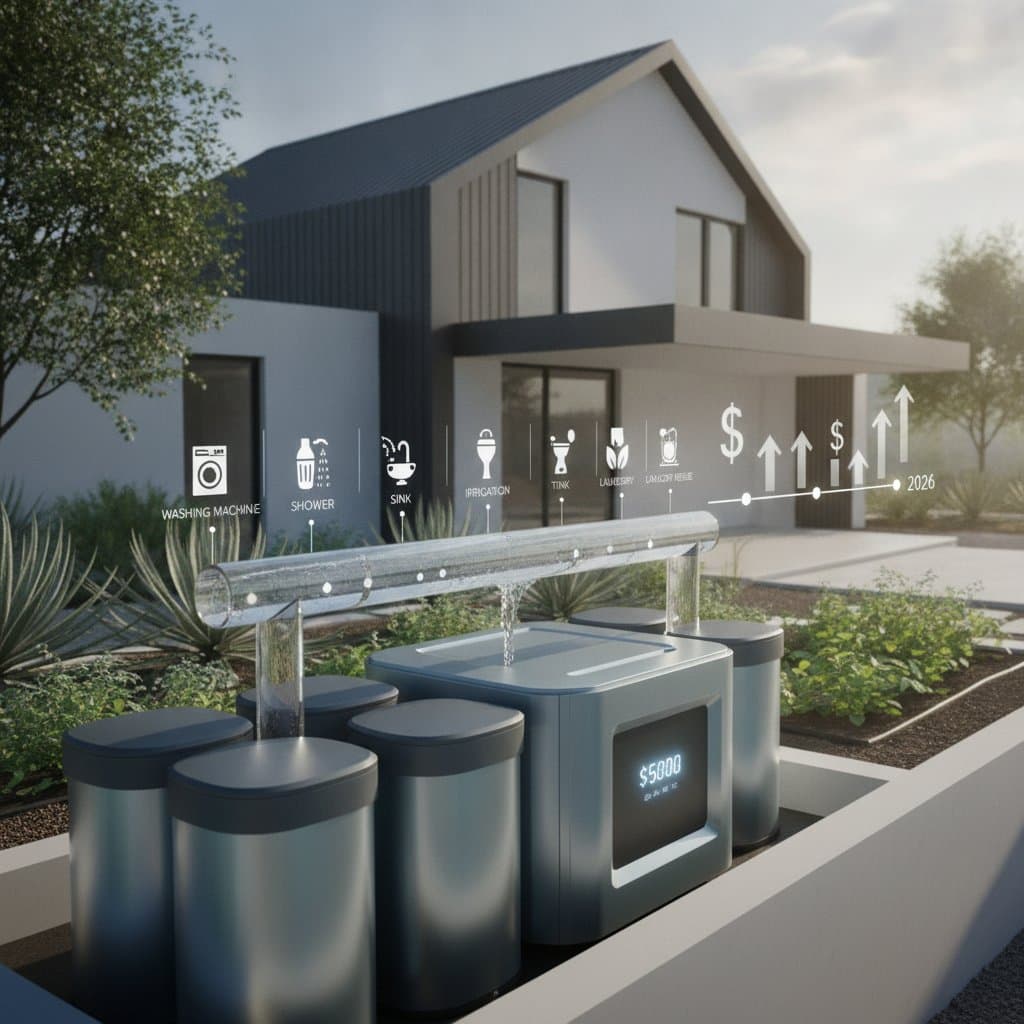
Greywater refers to gently used water from sinks, showers, and washing machines. Systems capture this water and redirect it for nonpotable uses such as garden irrigation and toilet flushing. Proper treatment prevents odors and ensures safe application around the home.
Homeowners gain water conservation benefits while lowering monthly utility expenses. The approach supports local regulations in drought prone areas. System design varies based on household size and landscape needs.
Typical Installation Expenses
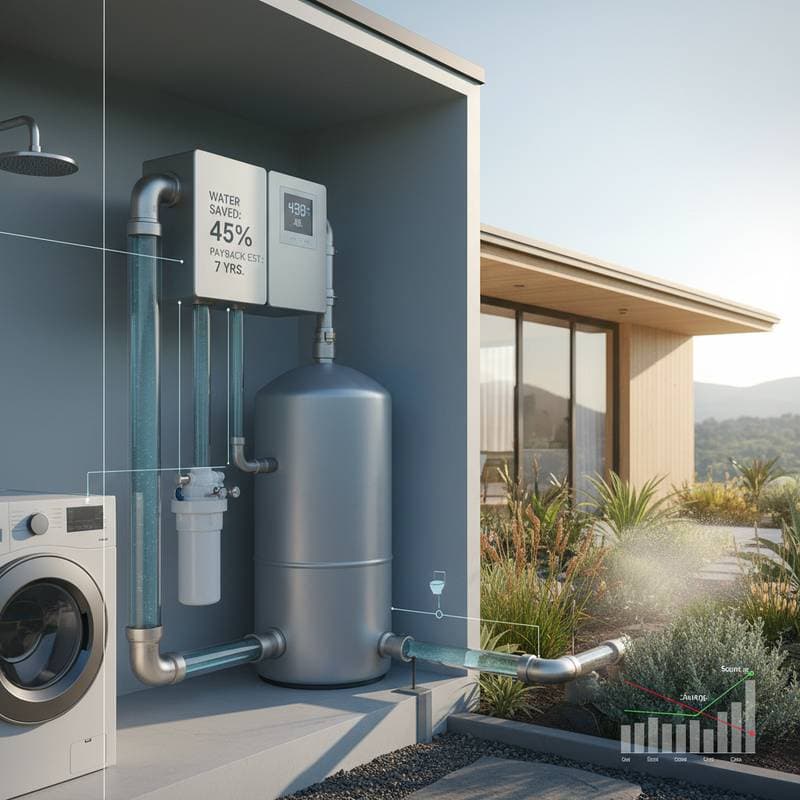
Basic gravity fed systems range from 2500 to 5000 dollars for an average three bedroom residence. Pump assisted setups with filtration add 4000 to 8000 dollars depending on tank capacity and pipe routing. Professional labor accounts for 30 to 50 percent of total project cost.
Permitting fees and soil testing contribute another 300 to 800 dollars in most municipalities. Larger properties with multiple collection points push totals above 12000 dollars. Material choices such as polyethylene tanks versus concrete influence long term durability and upfront pricing.
Calculating Savings Over Time
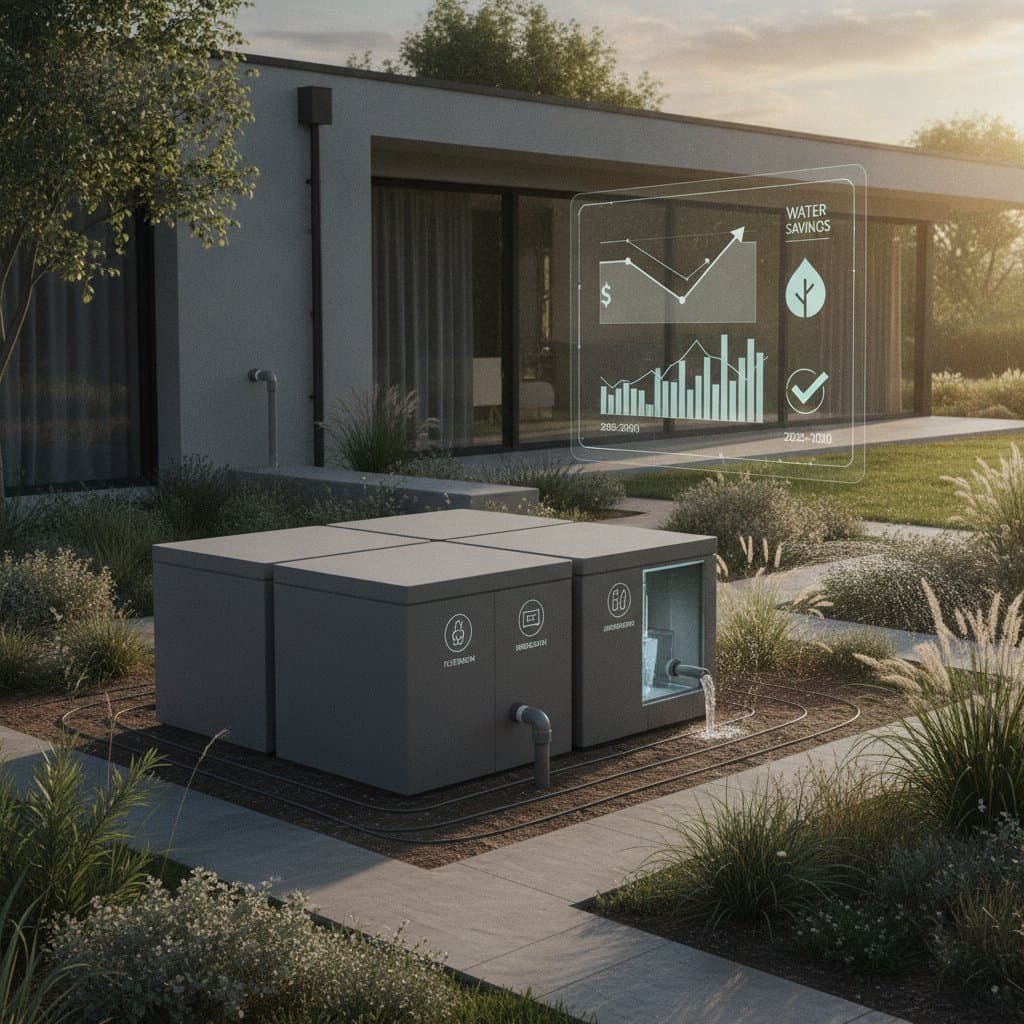
Households in high water cost regions save 300 to 700 dollars annually through reduced consumption. Toilet flushing alone reuses 20 to 40 percent of indoor greywater volume. Irrigation offsets further lower outdoor water purchases during dry seasons.
Payback periods average five to nine years when utility rates exceed four dollars per thousand gallons. Accelerated returns occur with rebates from local water districts. Property value increases of three to five percent appear in markets that emphasize sustainability features.
Maintenance Requirements and Ongoing Costs
Filters require cleaning every three to six months to maintain flow rates. Pump inspection once a year prevents mechanical failure and extends equipment life. Annual service contracts cost 150 to 400 dollars and cover parts plus labor.
Homeowners who perform basic tasks themselves reduce recurring expenses by half. System monitoring through simple flow meters helps detect clogs early. Replacement of valves and seals occurs every seven to ten years at modest additional cost.
Regional Variations and Incentives
Western states offer tax credits up to 1500 dollars for qualifying installations. Coastal areas with strict conservation codes provide expedited permitting. Soil conditions in the southeast may require extra treatment stages that raise initial investment.
Northern climates benefit from insulated tanks to avoid freezing. Utility rate structures differ widely and directly affect return calculations. Checking local health department guidelines prevents compliance issues during construction.
Steps to Evaluate a Project
Measure daily greywater volume from target fixtures before selecting equipment size. Consult licensed plumbers experienced with reuse permits. Compare at least three vendor proposals that itemize components and warranties.
Review utility bills from the past year to project realistic savings. Factor in landscape irrigation demand when sizing storage capacity. Schedule installation during off peak seasons to secure better contractor availability.
Long Term Home Value Benefits
Greywater integration demonstrates resource efficiency that appeals to future buyers. Reduced operating costs improve net operating income for rental properties. Systems installed to code avoid retrofit expenses when selling the home.
Ongoing water savings compound over decades and support broader environmental goals. Proper documentation of maintenance records strengthens resale positioning. The combination of lower bills and added functionality delivers sustained advantages beyond the initial payback window.