Seasonal HVAC Filter Schedule for Consistent Home Comfort
A well planned HVAC filter schedule keeps your home comfortable. Clean air flows through the system. Energy bills remain predictable throughout the year.
Neglecting filter changes allows dust to build up. Airflow becomes uneven. The system experiences added strain that leads to repairs.
This guide shows how to create a seasonal HVAC filter schedule. It explains timing for replacements. It also covers filter selection and seasonal demands on the system.
Building a Seasonal Filter Replacement Plan
The schedule depends on home size, location, and lifestyle factors. Homes with pets or allergy sufferers need more frequent changes. Seasonal planning aligns maintenance with climate shifts for most households.
Spring Tasks
Spring marks the transition from heating to cooling. Winter dust collects in filters during months of heavy use.
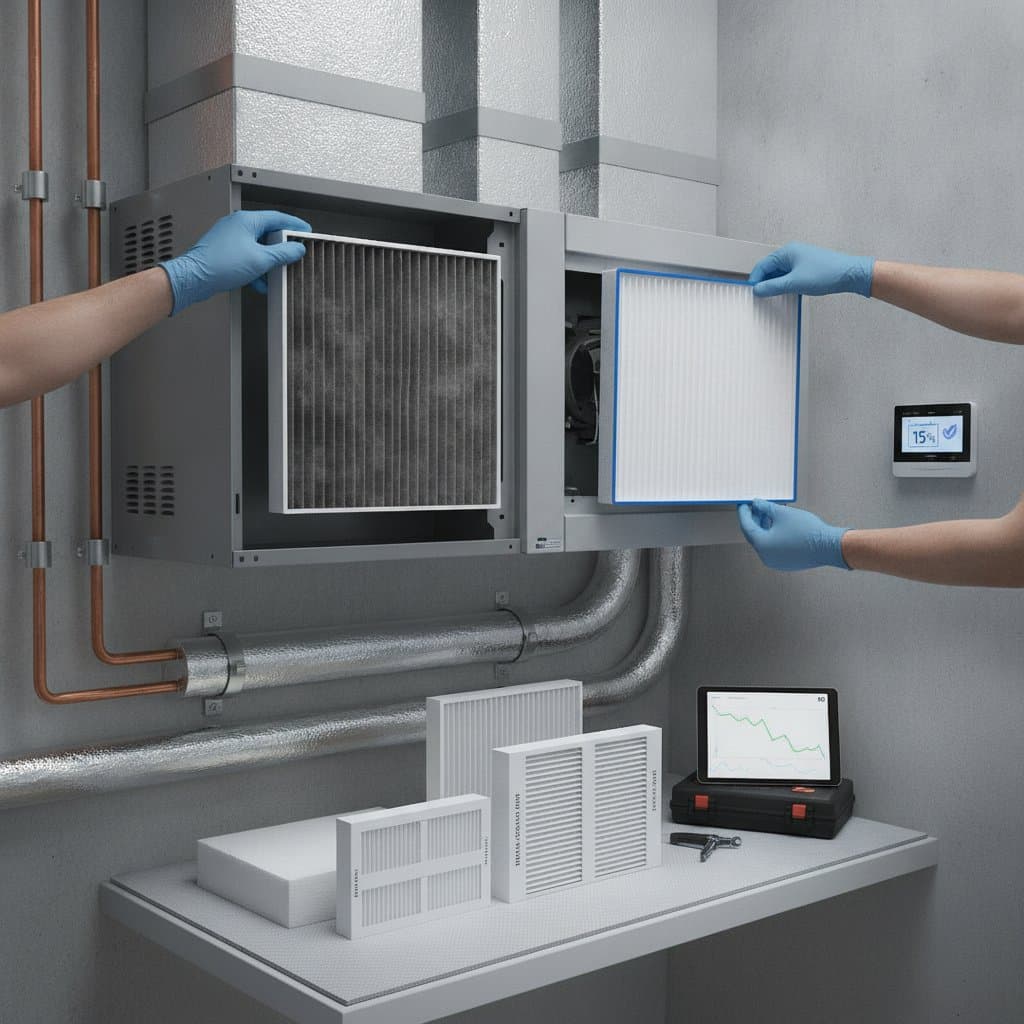
- Replace or clean filters to clear winter buildup.
- Inspect return vents and registers for accumulated dust.
- Check for unusual odors or mold signs.
- Run the system briefly to verify even airflow.
Pleated or HEPA filters typically last one to three months. Heavy winter use may require earlier replacement.
Summer Tasks
Cooling systems run longer in summer. This increases airflow through the filter and raises the risk of clogs.
Inspect filters each month. Replace them at the first sign of visible dust. Vacuum around vents to prevent reentry of particles. Clear leaves and grass from outdoor condenser units.
Humid regions cause faster filter loading. Dry regions allow slightly longer intervals. Never exceed the manufacturer recommended lifespan.
Fall Tasks
Fall prepares the system for heating season. Summer dust remains in ducts and filters.
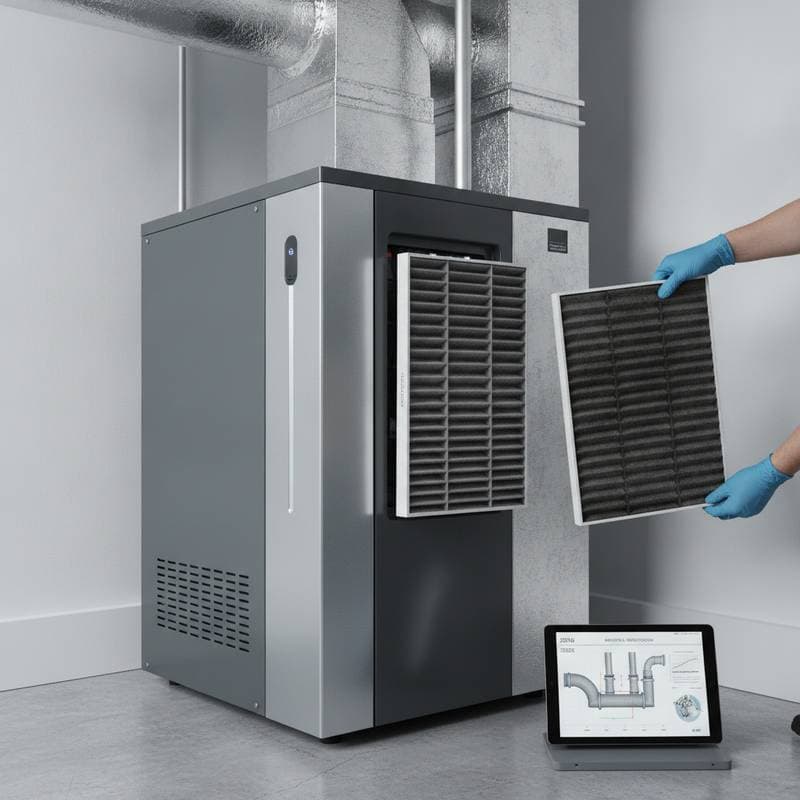
Replace filters before furnace startup. Inspect ductwork for loose connections. Schedule professional service if the system has not received attention recently. Stock replacement filters to cover winter needs.
Reusable filters require thorough washing and drying before reinstallation. Ensure a snug fit with no edge gaps.
Winter Tasks
Forced air heating increases filter use in winter. Dry air carries more dust and fills filters quickly.
Inspect filters every three to four weeks. Replace them when airflow weakens. Keep vents free of furniture and drapes. Add a humidifier if needed to balance indoor air quality.
Cold climates accelerate clogging due to frequent furnace cycles. Set calendar reminders for twice monthly checks during peak winter months.
Professional Maintenance versus DIY Care
Homeowners can perform filter changes at low cost. Professional service catches issues not visible during routine checks. Technicians inspect coils, calibrate thermostats, and verify sealed ductwork.
DIY work offers lower cost and flexible timing. Monthly visual checks require no special tools. Professional visits provide full system inspection and hidden issue detection.
A hybrid approach combines both methods. Perform basic filter changes yourself. Schedule professional inspections twice each year.
Cost Effective Maintenance Strategies
Bulk filter purchases reduce cost per unit. Clean reusable filters instead of discarding them. Seal ductwork gaps to limit dust entry. Select high quality filters that extend change intervals.
Start Your Filter Schedule
Clean filters support free airflow and longer equipment life. Mark the calendar for seasonal changes. Consistent habits deliver stable temperatures and lower utility costs.