Fall HVAC Filter Timing: Pick the Right Type for Clean Air
As outdoor temperatures drop and indoor heating systems begin to run more often, fall becomes the perfect time to check and replace HVAC filters. Many homeowners overlook this small but essential step. Yet it directly affects air quality, system performance, and energy costs.
Selecting the right filter type and timing replacements correctly can make a home more comfortable and efficient throughout the colder months.
Understanding HVAC Filter Cost Fundamentals
HVAC filters vary widely in price depending on type, efficiency rating, and brand. Homeowners spend between ten and sixty dollars per filter on a national level. Higher efficiency or specialty models cost more.
Disposable fiberglass filters represent the most affordable option. Pleated or HEPA filters sit at the higher end of the price range. Regional variations also affect filter costs.
Filters in humid coastal areas or dusty rural regions often need more frequent replacement. This increases annual costs. In urban markets, premium filters that remove fine particles such as smog or allergens are more common.
Prices can shift seasonally. During fall and spring, when HVAC use changes, retailers often run promotions that lower costs.
Pricing Models and Structures
HVAC filters are sold in several pricing formats. Some providers sell them individually. Others offer subscription models that deliver filters on a set schedule.
Subscription services usually cost slightly more per filter. They ensure timely replacement and reduce the risk of system strain or poor air quality. Flat pricing applies to most retail filters.
Professional HVAC maintenance packages may include filter replacement as part of a larger service. In these cases, the cost per filter is bundled with inspection and cleaning fees.
Service Tiers and Their Price Points
Filter options can be grouped into several tiers.
Basic Filters: These disposable fiberglass filters trap large dust and lint particles. They cost around five to ten dollars each. While inexpensive, they offer minimal filtration and need replacement every thirty to sixty days.
Standard Filters: Pleated filters made from polyester or cotton provide better particle capture and last longer. Their price typically falls between ten and twenty dollars per unit. They suit most residential HVAC systems and balance cost with performance.
Premium Filters: High efficiency filters such as HEPA or electrostatic models range from twenty to sixty dollars each. They trap fine dust, pollen, mold spores, and even some bacteria. Many allergy sensitive households prefer this tier for its performance benefits.
Specialized Filters: Custom sized, hospital grade, or activated carbon filters fall into this category. Prices vary from sixty to one hundred dollars or more depending on the filtration media and frame construction.
Key Variables Influencing Filter Pricing
Several factors determine how much a homeowner will pay for a replacement filter. The size of the HVAC system dictates filter dimensions. Larger filters cost more. Complexity also matters.
Filters with multi layered media or electrostatic properties require more advanced manufacturing. This increases their price. The time required to replace filters influences professional service costs.
Technicians may charge additional labor for systems located in hard to reach areas such as attics or crawl spaces. Material quality affects lifespan and performance.
Add on Services and Supplemental Charges
Some HVAC companies offer add on services that enhance air quality and efficiency beyond a standard filter change. Common extras include duct cleaning priced between three hundred and six hundred dollars depending on home size. Duct cleaning removes debris that can clog filters prematurely.
Air quality testing costs around one hundred to two hundred dollars. This service identifies pollutants and helps determine which filter type is best suited for a home. UV light installation typically costs two hundred to five hundred dollars.
UV systems sanitize air as it passes through the HVAC unit and complement filter performance. Expedited service may carry extra charges for same day visits or emergency filter delivery.
Choosing the Right Filter Type for Fall
Selecting the right filter depends on several factors. For homes with pets, smokers, or allergy sufferers, pleated or HEPA filters are worth the added expense. They capture microscopic contaminants that basic models miss.
If energy efficiency is a top priority, look for filters with a moderate MERV rating between eight and eleven. These strike a balance between filtration strength and airflow resistance. For those seeking an eco friendly option, washable electrostatic filters reduce waste.
They can last for years with proper care. While the upfront cost may exceed forty dollars, their long term value can surpass disposable alternatives.
The Ideal Fall Replacement Schedule
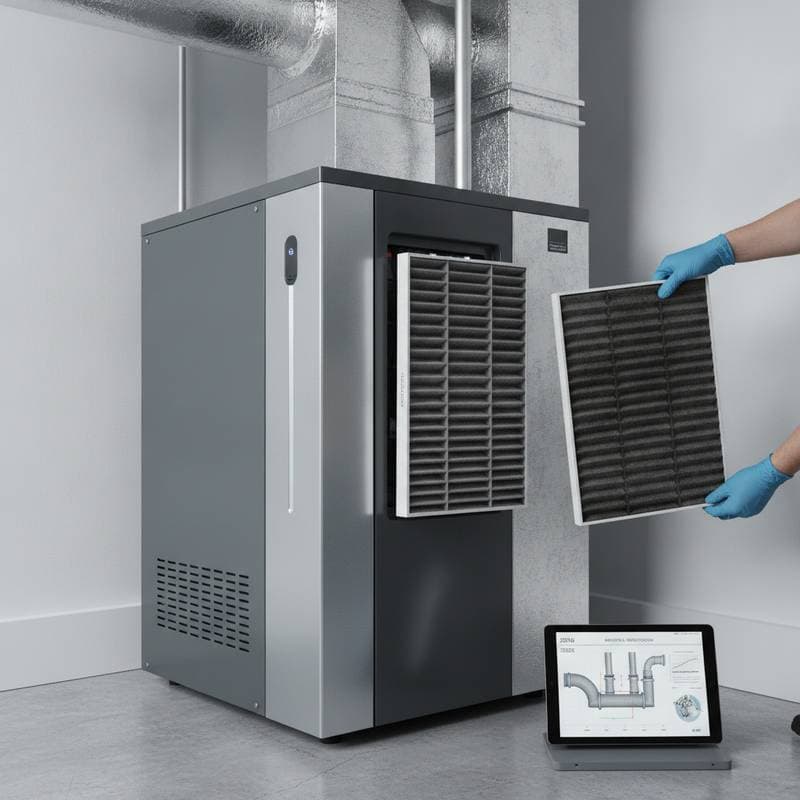
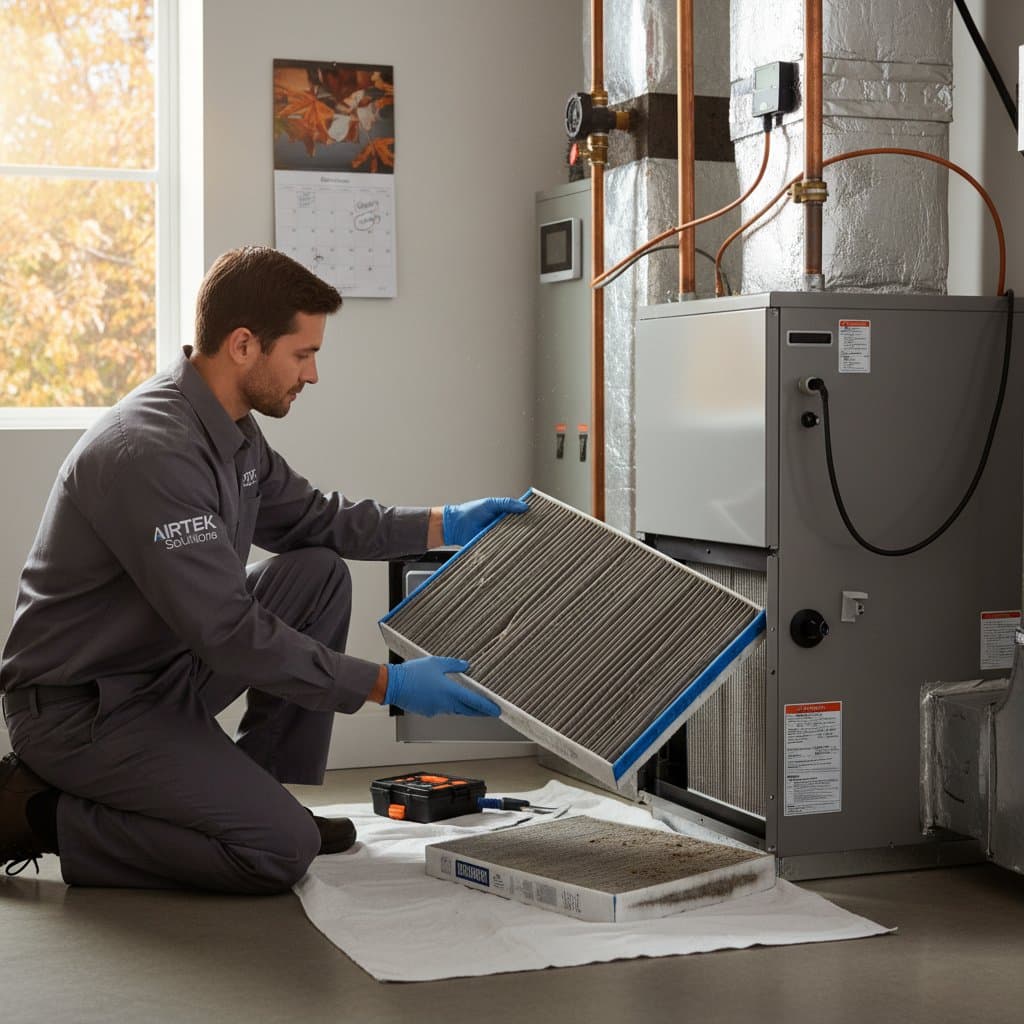
Fall is the best season to inspect and replace filters because HVAC systems transition from cooling to heating. A clean filter ensures smooth air circulation and reduces the strain on blowers and motors.
Most standard filters should be replaced every one to three months. This depends on usage, home size, and environmental conditions. Homes in dusty regions or with multiple occupants may require monthly changes.
A professional technician can help establish a personalized schedule that matches system performance needs. For households enrolled in filter delivery subscriptions, fall is an ideal time to update delivery frequency based on upcoming seasonal demands.
Economic and Environmental Considerations
Energy efficiency plays a major role in cost management. Replacing clogged filters can reduce HVAC energy consumption by up to fifteen percent according to government data. This translates into measurable savings on utility bills.
Clean filters also reduce wear and tear on system components. They extend equipment lifespan and lower long term maintenance costs. Environmentally conscious homeowners can choose filters made from recyclable materials or opt for reusable models.
These options help reduce landfill waste and minimize the carbon footprint associated with disposable filters.
Comparing Providers and Evaluating Quality
When purchasing filters or scheduling service, it helps to compare brands and providers based on quality certifications and consumer ratings. Trusted manufacturers like Honeywell, Filtrete, and Nordic Pure consistently receive high satisfaction scores.
Professional HVAC contractors often carry manufacturer partnerships that allow them to offer better pricing or warranties. Asking for proof of certification ensures technicians are qualified to handle the system safely.
Schedule Filter Maintenance Now
The shift into fall offers an opportunity to improve indoor air and system efficiency before heating demands rise. Start by inspecting the current filter and noting its type, size, and condition.
Set reminders for regular replacement or sign up for a subscription to simplify maintenance. Small seasonal actions like timely filter changes keep air clean, reduce energy costs, and prevent expensive repairs.