Prepare Your HVAC Now to Prevent Winter Breakdowns
When temperatures drop, homeowners need a heating system that operates without interruption. Preparing the HVAC system before winter arrives ensures consistent comfort along with better efficiency and safety. Proactive steps reduce the risk of breakdowns and help control energy costs throughout the season.
Why Early HVAC Preparation Matters
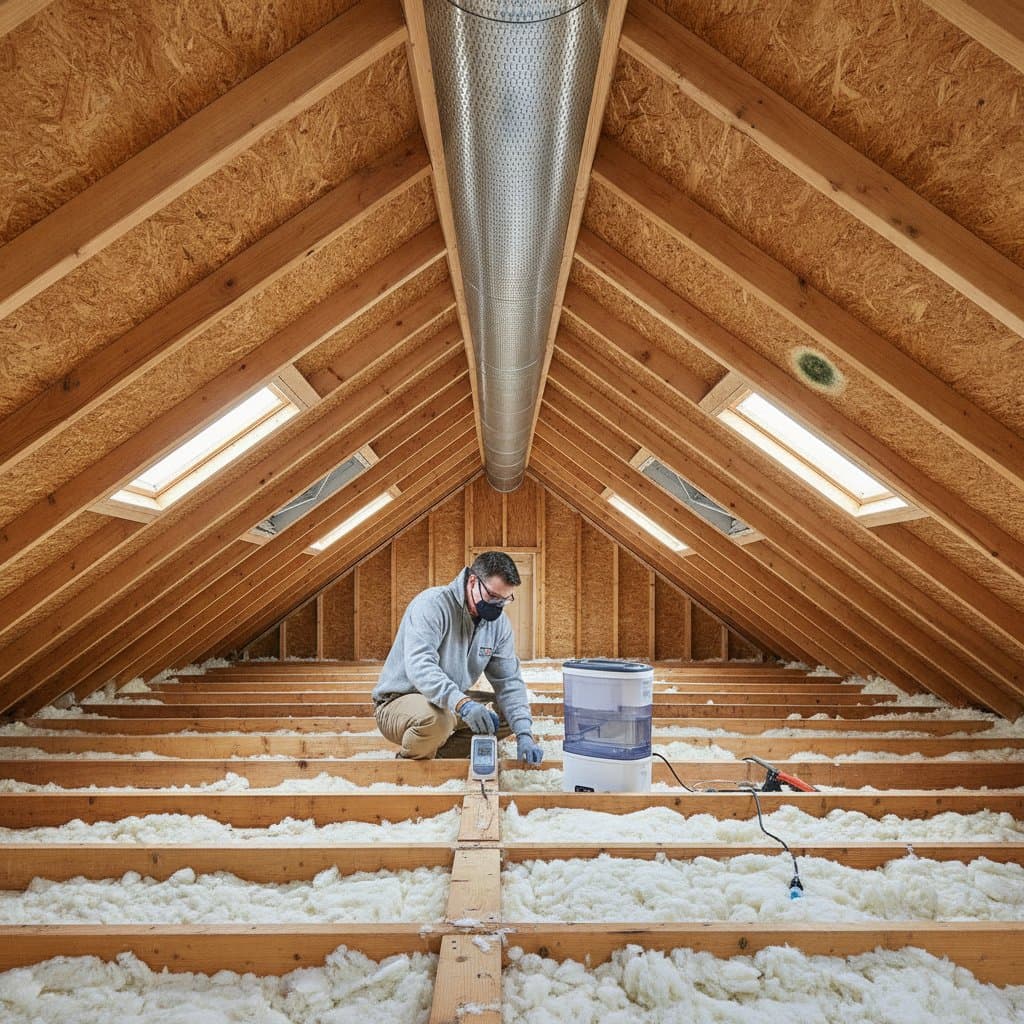
The HVAC system faces its heaviest demands during cold months as it circulates warm air for extended periods. Dirt, wear, or imbalance in the equipment can lead to sudden failures or reduced performance. Seasonal maintenance identifies minor concerns before they escalate into major repairs.
Scheduling service in advance avoids delays during peak demand periods when technicians are busiest. This approach provides assurance that indoor temperatures will remain stable regardless of outdoor conditions.
Key Steps to Prepare Your HVAC for Winter
A complete seasonal check involves cleaning, inspection, and calibration to support reliable operation. Homeowners can complete several tasks independently while reserving specialized work for professionals.
1. Replace or Clean Air Filters
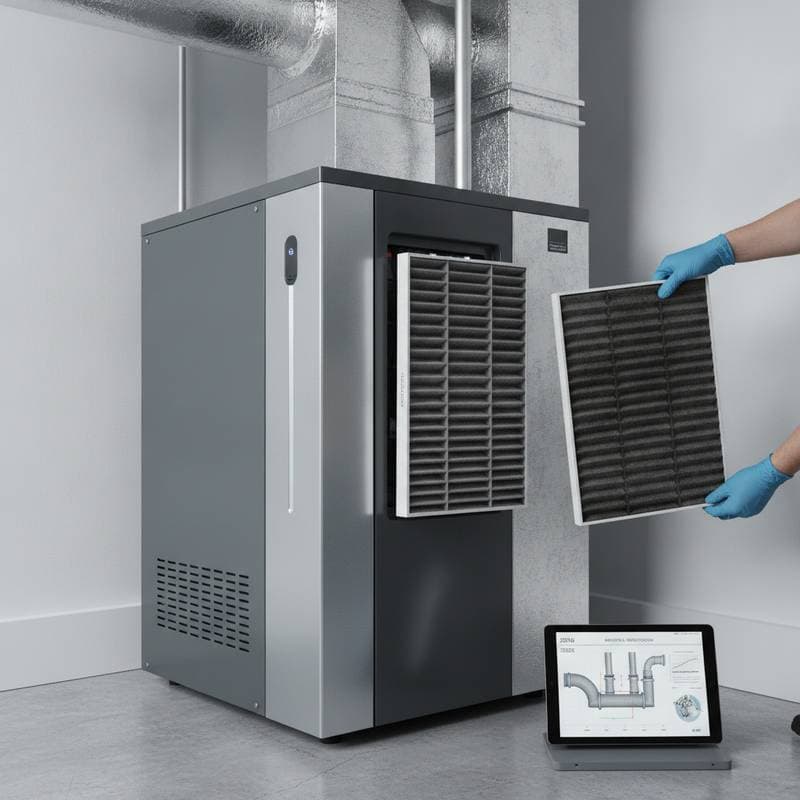
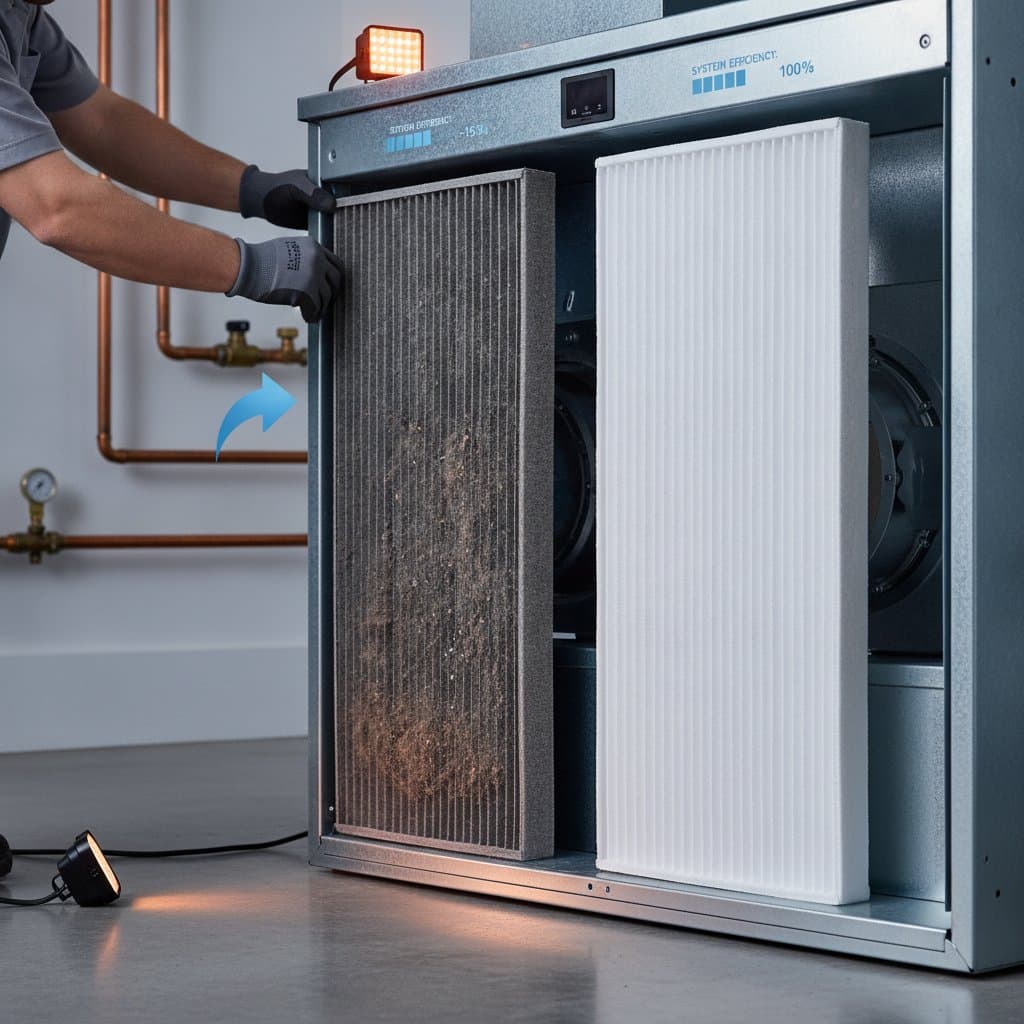
Dirty filters limit airflow and increase strain on the blower motor. Change disposable filters or clean reusable models every one to three months based on household conditions. Fresh filters improve air quality and support efficient heating cycles.
2. Inspect Vents and Registers
Confirm that supply and return vents remain open and free from furniture or drapery. Vacuum around registers to remove accumulated dust that can restrict circulation. Proper airflow prevents uneven temperatures and reduces stress on system components.
3. Clear the Outdoor Unit
Remove leaves, grass clippings, and debris from around heat pumps or air handlers. Maintain a minimum of two feet of clearance on every side to allow unrestricted airflow. This step protects the equipment from strain and potential damage during operation.
4. Test the Thermostat
Activate the heating mode and verify that room temperature matches the set point. Recalibrate or replace units that show inconsistent readings. Programmable models offer precise scheduling that lowers energy use during unoccupied hours.
5. Schedule a Professional HVAC Tune-Up
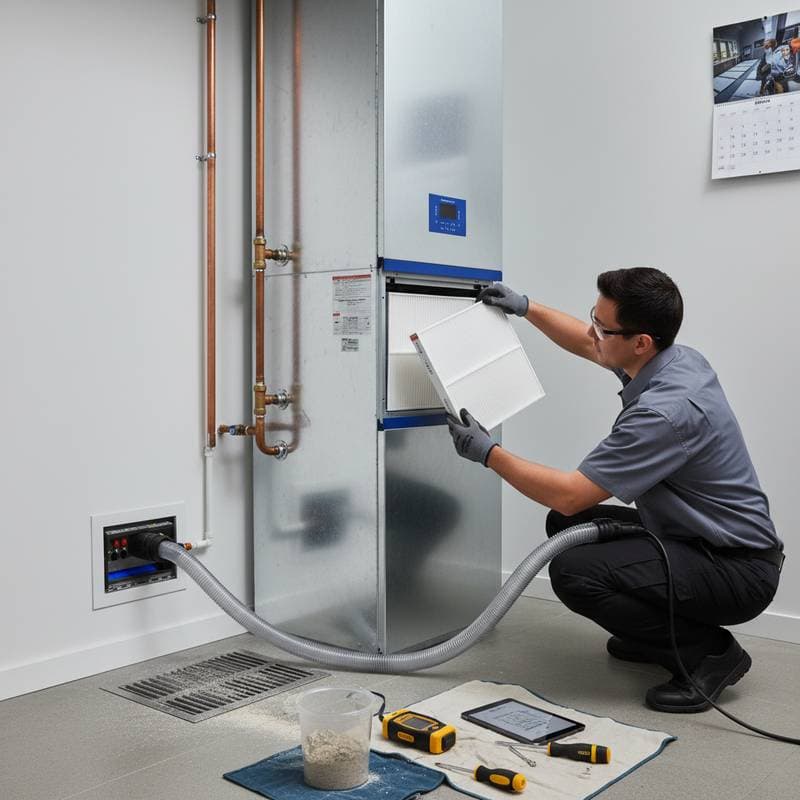
Licensed technicians perform detailed inspections that include gas line checks, electrical testing, and safety control verification. They also measure temperature rise and confirm proper startup sequences. These evaluations address issues that basic cleaning cannot resolve.
Professional service typically covers carbon monoxide detection, heat exchanger examination, lubrication of moving parts, and airflow assessment.
Common Problems Found During Fall HVAC Checks
Neglected systems often develop dirty burners, worn belts, or faulty ignition components. These conditions begin gradually yet can result in complete shutdowns if left unaddressed. Early detection through inspection prevents the need for emergency replacements.
Older units may exhibit unusual sounds, temperature variations, or short cycling. Such indicators warrant professional evaluation before regular winter use begins.
DIY vs Professional Maintenance
Homeowners can manage filter changes and debris removal without specialized tools. Mechanical adjustments and electrical diagnostics require trained personnel to maintain safety and warranty compliance. Professional assessments use calibrated instruments to verify gas pressure and system performance under load.
Annual professional service costs far less than emergency repairs during high-demand periods.
Your HVAC Maintenance Questions, Answered
How often should I service my HVAC system?
Schedule service once each year before heating season starts. Consistent inspections preserve warranty coverage and extend equipment lifespan.
Can I run my furnace with a dirty filter?
Avoid operating the system with restricted airflow. Dirty filters can overheat the heat exchanger or damage the blower motor.
How long does a tune-up take?
Most inspections require one to two hours depending on system age and accessibility.
Do I need to clean air ducts every year?
Duct cleaning is necessary only when visible dust, mold, or pest activity appears.
What temperature should I set my thermostat for efficiency?
Lower the setting several degrees during sleep or absence to reduce heating expenses.
Why does my furnace smell when first turned on?
A brief odor from burning dust is typical at the start of the season. Persistent smells require technician inspection.
What are signs my HVAC system is failing?
Listen for unusual noises, monitor for uneven heating, and track sudden rises in energy use.
Should I cover my outdoor unit in winter?
Leave heat pumps uncovered. Use breathable covers on air conditioners only to block debris while permitting airflow.
Implement These Steps for Reliable Heating
Begin with filter replacement and vent clearing, then arrange professional service to confirm full system readiness. These measures protect comfort, safety, and equipment longevity through the coldest months.