Prepare Your Air Conditioner for Summer the Right Way
As temperatures climb, a well-prepared air conditioner can mean the difference between a comfortable summer and weeks of discomfort. Many homeowners underestimate the strain their cooling system endures once hot weather arrives. Dust buildup, worn parts, and neglected filters reduce efficiency and raise energy bills. Taking time to prepare the unit before peak heat extends its life, lowers costs, and maintains consistent indoor temperatures.
This guide provides a practical sequence of tasks covering cleaning, inspection, cost considerations, and professional support.
Replace or Clean the Air Filter
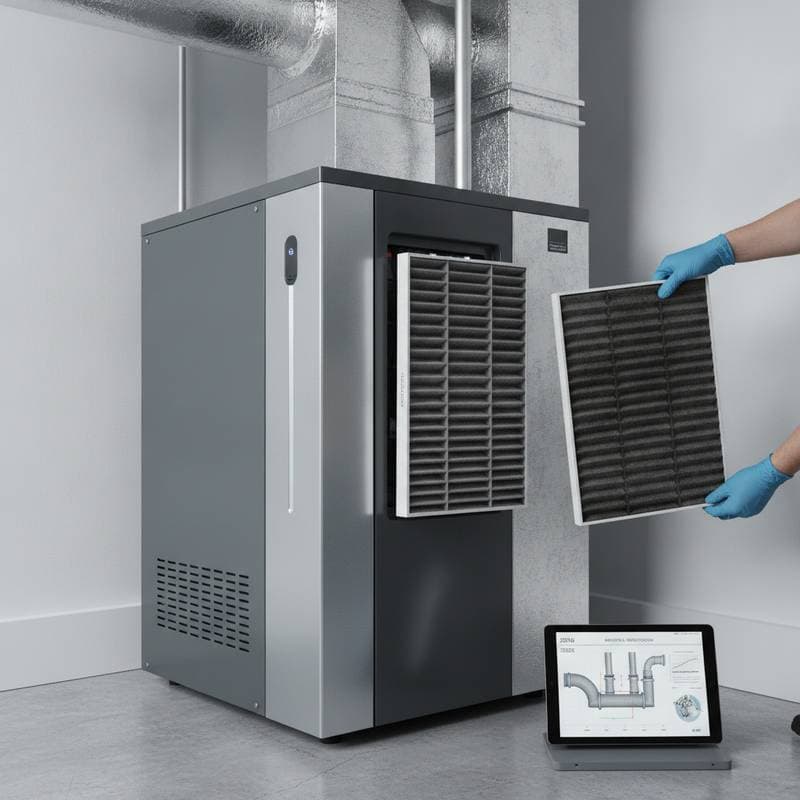
A clogged air filter ranks among the leading causes of restricted airflow and uneven cooling. Dirty filters compel the system to operate harder, which increases energy consumption and shortens compressor lifespan.
Locate the return air vent or filter slot near the indoor unit. Replace disposable filters with new ones that match the exact size and airflow rating shown on the old filter. For reusable filters, wash them with warm water and mild soap, then permit complete drying before reinstallation.
Check filters monthly during periods of heavy use. Clean filters can reduce energy consumption by up to 10 percent while improving indoor air quality.
Clean the Indoor Unit and Vents
Dust collects in ductwork and vents during inactive months, which impairs air quality and cooling performance. Remove vent covers and vacuum them thoroughly. Heavy dust accumulation inside ducts or a musty odor during operation warrants a call to a duct cleaning service.
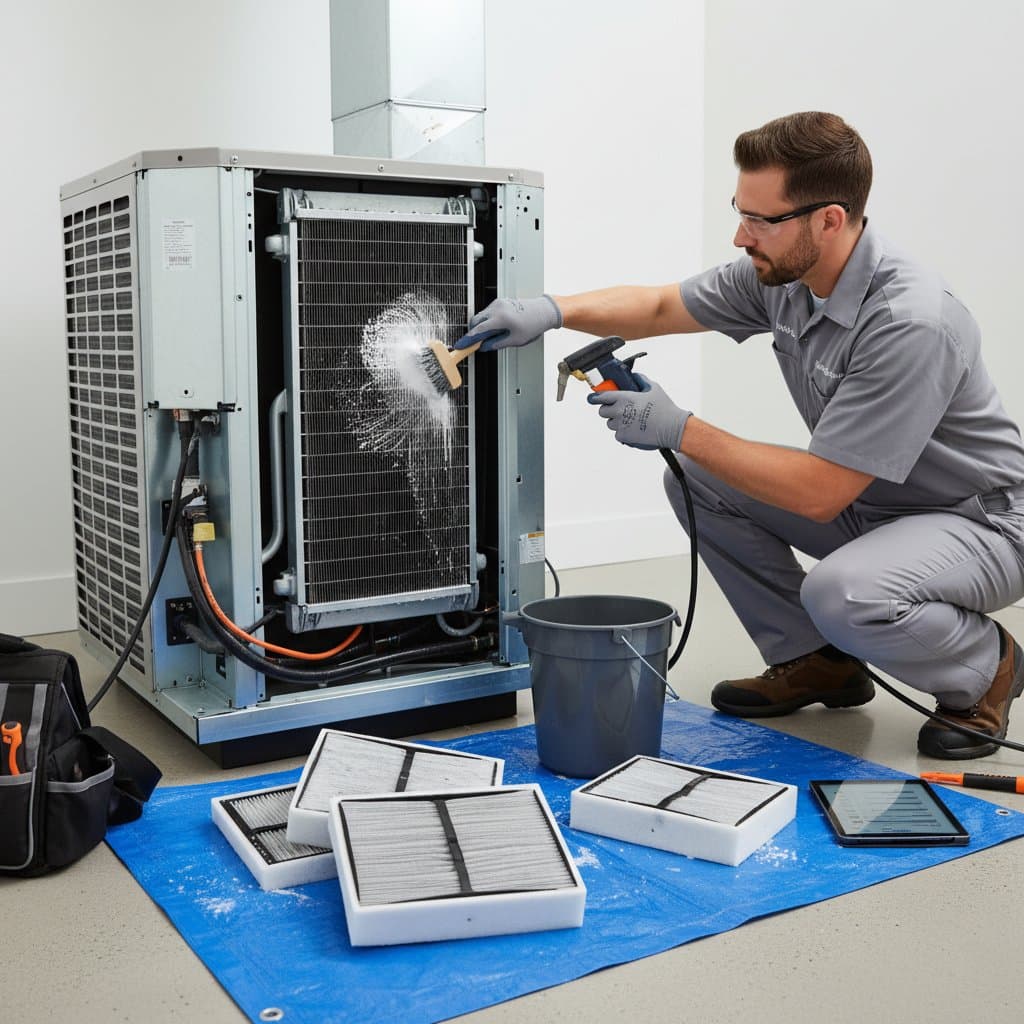
Inspect the indoor evaporator coil inside the air handler. Dirt or frost on the coil signals restricted airflow or low refrigerant. Coil cleaning demands specialized care, so homeowners without experience should assign this task to a technician.
Test the System
After cleaning and inspection, restore power and set the thermostat to cooling mode. Allow the system to operate for at least fifteen minutes. Verify steady airflow, consistent temperatures, and absence of irregular sounds.
Rattling, hissing, or grinding noises require immediate shutdown. These symptoms may indicate loose components, refrigerant leaks, or motor failure. Early professional attention prevents major breakdowns during peak demand.
Seal and Insulate
Cooling performance depends on the entire building envelope, not solely the equipment. Examine window and door seals for gaps that permit conditioned air to escape. Replace damaged weatherstripping and apply caulk around frames.
Evaluate attic insulation levels. Additional insulation lowers cooling demand and stabilizes indoor temperatures. Seal accessible duct joints with aluminum tape or approved sealant to minimize air loss.
Prepare for Emergencies
Even properly maintained systems can fail during intense use. Maintain a current list of reliable HVAC technicians and emergency contacts. Keep portable fans accessible for temporary relief during outages.
Residents in areas prone to prolonged heat waves may consider a backup window unit. This measure supports livable conditions until repairs occur.
Safety Considerations
Electrical work requires strict precautions. Disconnect power before accessing any panels. Never handle refrigerant or internal wiring without proper certification and tools. Burning odors or exposed wires demand immediate cessation of work and professional intervention.
Pro Tips for Success
- Test the system several weeks before extreme heat arrives to allow time for repairs while service slots remain open.
- Operate ceiling fans to distribute cooled air evenly, which permits a modest increase in thermostat settings without sacrificing comfort.
- Provide shade for the outdoor condenser with shrubs or screens while preserving at least two feet of clearance for proper airflow.
- Track monthly energy bills for sudden increases that often point to airflow restrictions, duct leaks, or component wear.
- Note any unusual sounds promptly, as they serve as early indicators of developing problems.
Protect Your Home Investment
Proper seasonal preparation safeguards a significant household asset. A maintained air conditioner cools more rapidly, operates more quietly, and consumes less energy throughout the season.