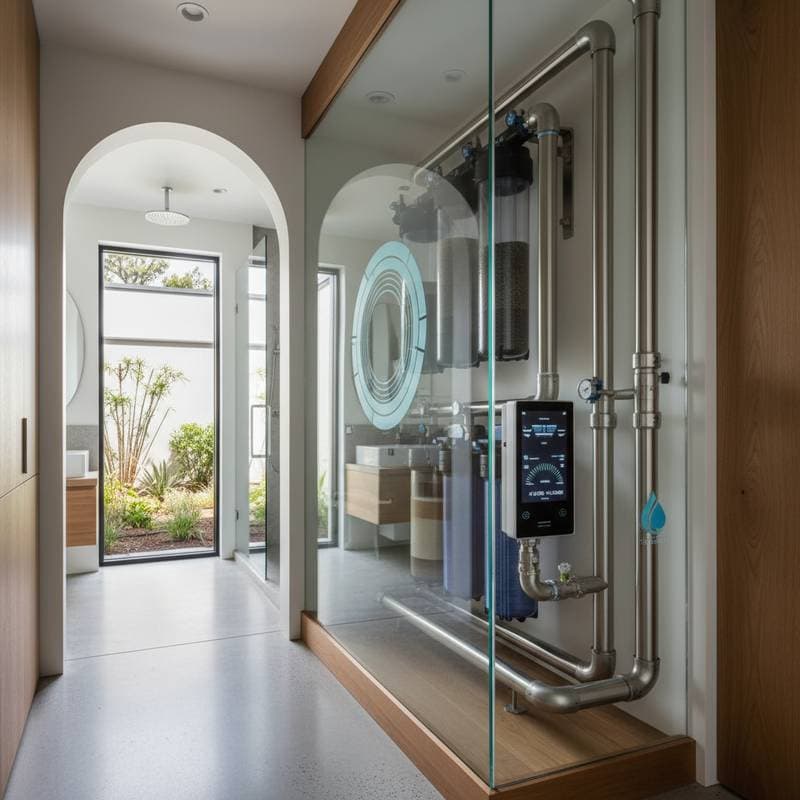
Greywater System Costs Range From $1,000 to $15,000 in 2026
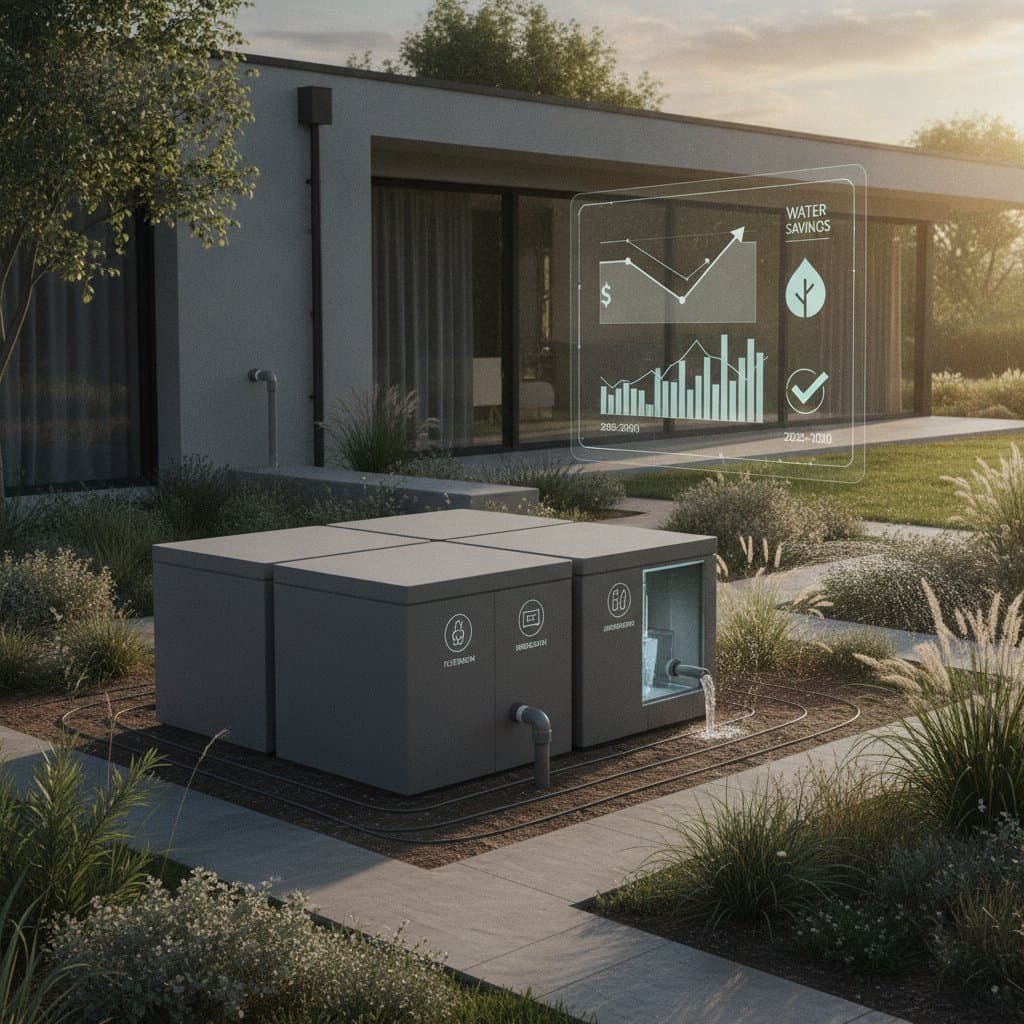
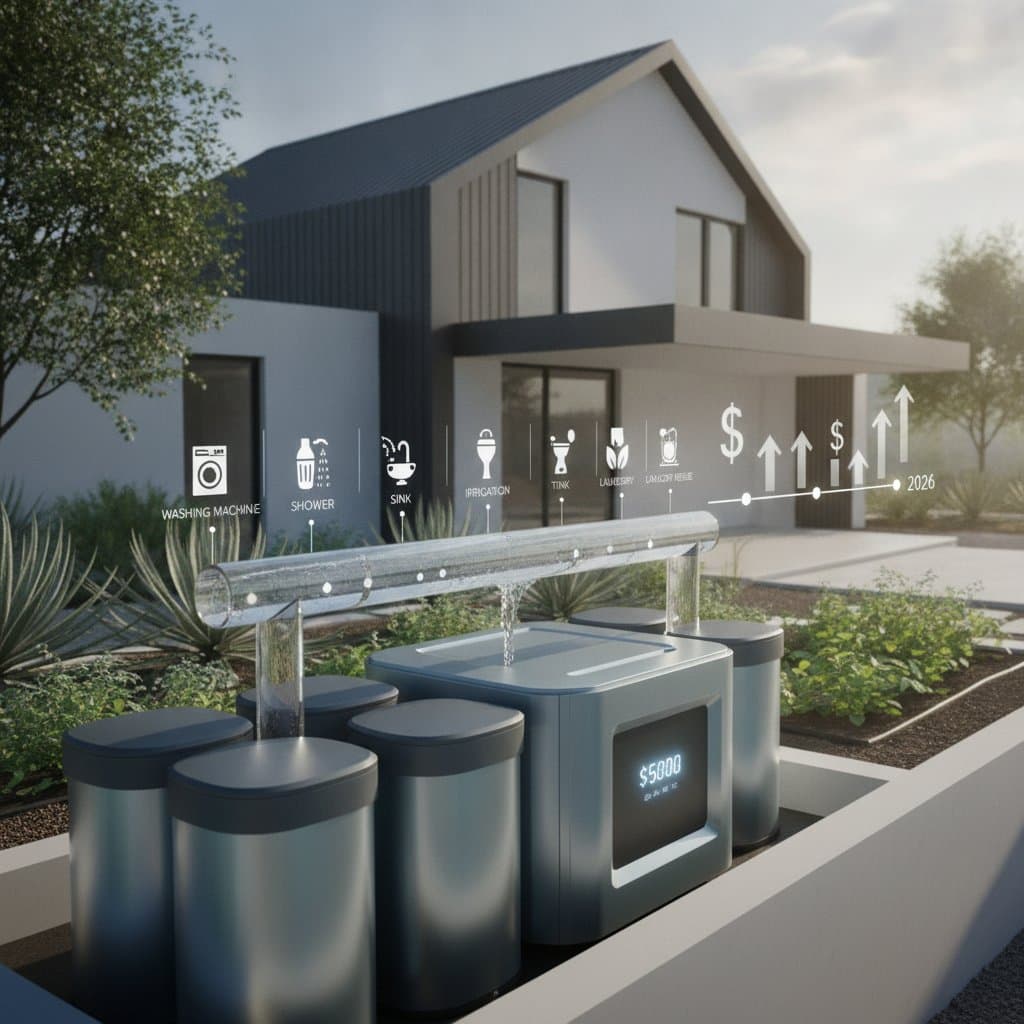
Greywater systems capture water from showers, sinks, and laundry for reuse in irrigation or toilet flushing. Installation expenses typically fall between $1,000 and $15,000 based on system scale, site conditions, and local rules.
Factors That Shape Project Costs
Several elements determine the final price.
- Project scope and property size set the required capacity and pipe runs. Larger homes need longer plumbing lines and bigger storage tanks.
- Complexity of plumbing connections raises labor hours. Retrofitting older homes costs more than new construction because existing pipes must be adapted.
- Water treatment rules differ by location. Some codes demand filtration or disinfection units before reuse is allowed.
- Material selections such as PVC, copper, or polyethylene affect both price and longevity.
- Automation options like smart controllers add to the initial outlay yet improve long-term efficiency.
- Inspection and permitting fees range from a few hundred dollars to more than $1,000 depending on the jurisdiction.
Water reuse consultant Maria Chavez recommends adding ten to twenty percent to every quote. This buffer covers surprises such as unexpected soil conditions or extra plumbing work.
Optional Services and Extra Fees
Homeowners often choose add-on services that increase the total investment.
Design consultation and system planning cost between $200 and $500. These meetings align the layout with household water use and yard features.
Soil testing and irrigation mapping add $100 to $300. The tests confirm that distribution zones will not become oversaturated.
Filtration and disinfection upgrades range from $500 to $2,000. Ultraviolet or chlorination units are common when indoor reuse is planned.
Annual maintenance contracts run from $200 to $600. These agreements cover filter changes, valve checks, and performance reviews.
Expedited installation or emergency repairs can double standard labor rates during busy periods.
Permit Rules and Compliance Steps
Local regulations govern every greywater installation. Most jurisdictions require permits whenever a system ties into household plumbing. Simple laundry-to-landscape setups sometimes qualify for exemptions if they follow regional codes.
Complex systems that collect shower or sink water need submitted plans. Reviewers check filtration methods, distribution lines, and backflow prevention. Discharge must occur below the soil surface in many areas to limit human contact.
An inspection occurs before the system can operate. Inspectors verify valves, filters, and safety devices. Proof of backflow prevention is often required. Operating without permits risks fines or removal orders.
Insurance providers may ask for compliance records before covering related claims. Homeowners should verify coverage with their carrier in advance.
Long-Term Savings and Environmental Gains
Payback periods average five to eight years in high-rate water districts. Properties with greywater systems reduce municipal irrigation demand by up to forty percent.
Diverting used water from sewers eases pressure on treatment plants and lowers the energy required to move and process water.
Selecting an Installer
Choose licensed and insured contractors experienced with local permitting. Request three written estimates that list equipment, labor, and warranty details. Reputable firms provide one- to three-year coverage on tanks, pumps, and valves.
Planning Your Installation
Greywater systems deliver measurable water savings and support sustainable property management. Clear cost planning, service comparisons, and permit verification allow homeowners to complete projects that match both budgets and conservation objectives.