Fall HVAC Filter Replacement for Energy Savings
As temperatures drop and heating systems start running longer, your HVAC filter becomes a key player in keeping your home comfortable and energy efficient. Fall is the ideal season to replace or upgrade your filter before heavy furnace use begins. Clean air filters improve indoor air quality and protect expensive equipment from dust buildup and strain.
Choosing the right timing and filter type helps you save on energy costs, reduce repairs, and keep the indoor air healthy through the colder months.
Why Fall Filter Replacement Matters
During summer, filters often collect pollen, dust, and pet dander from extended use of air conditioning. If left unchanged, these particles restrict airflow and force the furnace or heat pump to work harder. Reduced airflow can raise energy bills by as much as 15 percent.
A new filter restores proper system performance and prevents overheating or short cycling as your heating system transitions into steady seasonal use.
Understanding HVAC Filter Ratings
Homeowners often overlook the MERV rating, which measures how effectively a filter captures airborne particles. MERV ratings range from 1 to 16 for residential use. The higher the number, the finer the filtration.
Yet more filtration is not always better. A high MERV filter can restrict airflow if the system is not designed for it. Consult your system manual or a professional technician before upgrading to a higher MERV rating to avoid reduced airflow or system strain.
Here is a quick breakdown:
- MERV 1-4: Basic protection. Captures large dust particles and lint. Suitable for older systems or minimal air quality needs.
- MERV 5-8: Standard residential use. Blocks mold spores, dust mites, and pet dander.
- MERV 9-12: Improved filtration for households with allergies or pets.
- MERV 13-16: Captures smoke, bacteria, and fine particles. Often used in homes with advanced HVAC systems or health concerns.
Comparing Filter Types
Choosing the right filter material matters as much as the rating. The main types include fiberglass filters, pleated filters, electrostatic filters, and HEPA filters.
Fiberglass filters are inexpensive and disposable, but they capture only large particles. Pleated filters are made from polyester or cotton folds that trap smaller particles efficiently. Electrostatic filters use self-charging fibers to attract particles and come in disposable or washable options. HEPA filters remove up to 99 percent of airborne contaminants but may not fit standard HVAC systems without modifications.
Pleated filters with MERV 8 to 11 ratings are the most common fall choice for balancing airflow and filtration efficiency.
How Often to Replace Filters in Fall
Filter lifespan depends on household factors such as pets, allergies, and air quality. A single occupant home without pets may stretch a filter up to three months. Families with pets or allergy sensitivities should replace filters every four to six weeks during heavy furnace use.
Inspect the filter monthly by holding it up to a light. If light barely passes through, it is time for a change. Setting a recurring reminder or marking the replacement date on the filter frame helps maintain consistency.
DIY or Hire a Professional
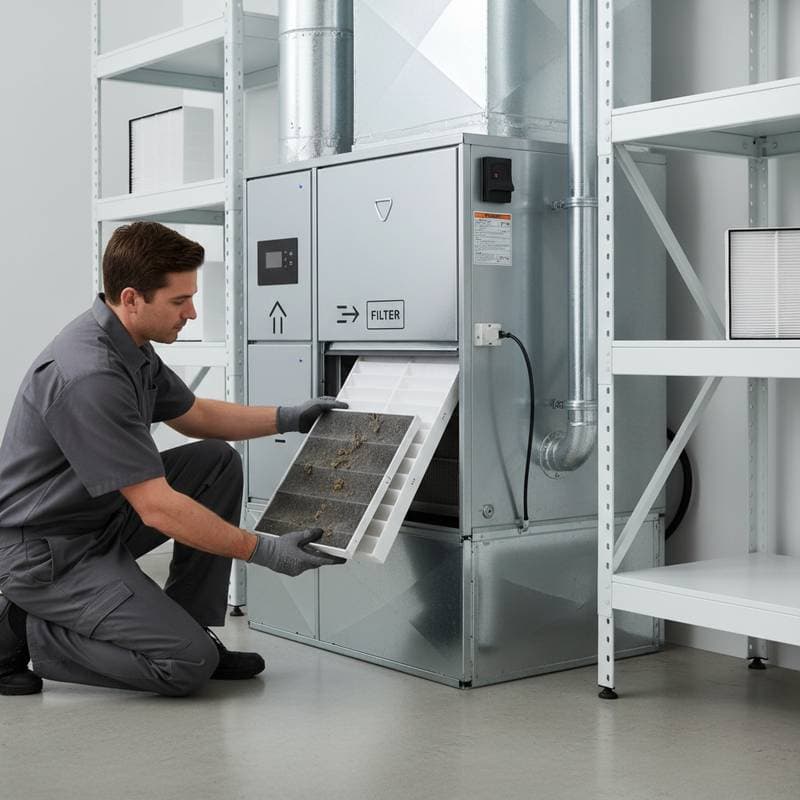
Replacing a standard filter takes only minutes, making it an easy DIY project. Turn off your system, remove the access panel, slide out the old filter, and insert the new one with arrows pointing toward the blower. For larger systems or units in awkward spaces, a professional inspection can be worthwhile.
Technicians can check airflow levels, duct condition, and furnace efficiency at the same time. An HVAC service visit before winter often includes filter replacement, coil cleaning, and safety checks. This preventive approach can extend system life by several years and reduce emergency repair costs later.
Safety and Efficiency Tips
- Always turn off power before handling HVAC components.
- Match filter dimensions exactly to avoid gaps that let unfiltered air bypass the system.
- Keep return vents clear of furniture or rugs for steady airflow.
- Record each replacement date for easy tracking.
- Use higher quality filters during wildfire or allergy heavy seasons to maintain clean indoor air.
Protect System Performance Year Round
Consistent fall filter changes protect both comfort and operating costs. A clean filter supports steady airflow, better temperature control, and fewer breakdowns. Homeowners who maintain a regular replacement schedule often report lower energy bills and less dust buildup around vents.
Keeping the right filter type in place and replacing it on time is a small step with lasting benefits. As the cool months arrive, a fresh filter ensures warm, clean air and a reliable system ready for the season ahead.