When to Change Your HVAC Filter This Fall Season
As cooler weather arrives, your HVAC system works harder. A clogged filter can raise energy costs and lower air quality. Learn when and how to replace filters this fall. Recognize warning signs. Keep your system efficient, your air clean, and your home comfortable all season long.
Why Filter Changes Matter
Every bit of air that passes through your HVAC system goes through the filter. When the filter becomes packed with debris, airflow drops. This forces the blower motor to work longer to heat or cool your home. A dirty filter can increase energy use noticeably. It also allows fine particles to circulate through your vents. These particles can irritate allergies and make your home feel stuffy.
A simple filter replacement costs little. Running your system with a clogged filter can shorten its life and lead to expensive repairs.
Typical Replacement Intervals
Most manufacturers recommend changing standard one inch filters every one to three months. Thicker filters, such as four inch pleated types, can last up to six months. These intervals serve as a general guide. Fall brings unique conditions that can shorten a filter lifespan.
During this season, homes often see more indoor activity. Increased dust from open windows and early use of furnaces add to the load. Even if your filter was replaced late in summer, it may already need another change by mid season.
Signs It Is Time for a New Filter
Relying solely on a schedule is not enough. Watch for these practical signs that your filter needs replacing.
- Visible dirt or discoloration. If the surface looks gray or coated with dust, it restricts airflow.
- Weak airflow from vents. Reduced air pressure means the filter is clogging.
- More dust around the home. When a filter can no longer trap particles, dust settles faster on furniture.
- Increased allergy symptoms. Sneezing or congestion inside the home can indicate poor indoor air quality.
- Higher energy bills. A sudden increase in utility costs without a change in thermostat settings points to restricted airflow.
How to Check and Replace the Filter
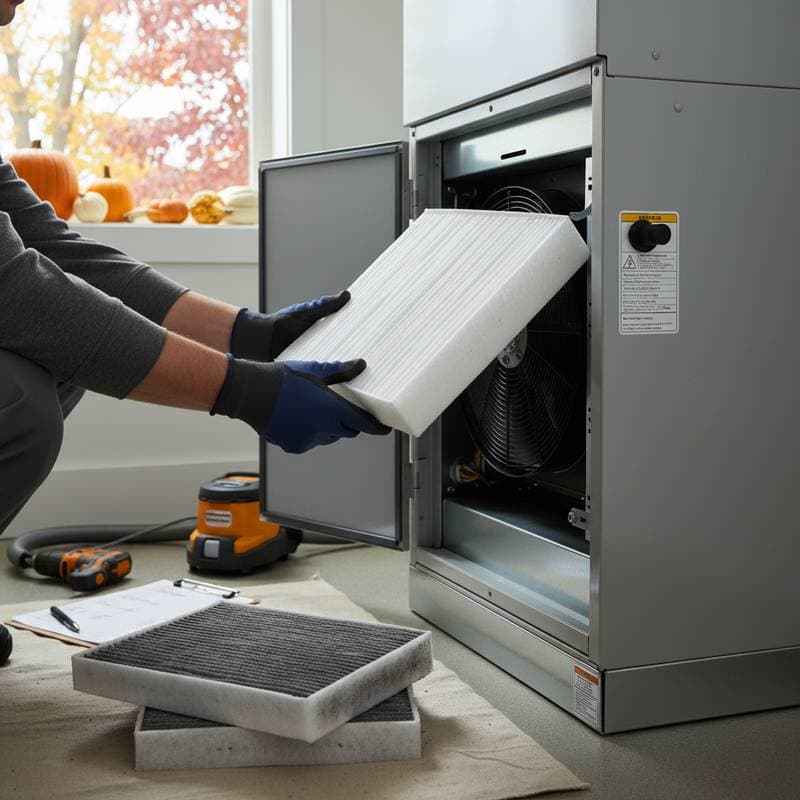
Locating the filter usually takes less than five minutes. Most systems have it behind the return air grille or inside the furnace cabinet near the blower compartment.
- Turn off the system for safety.
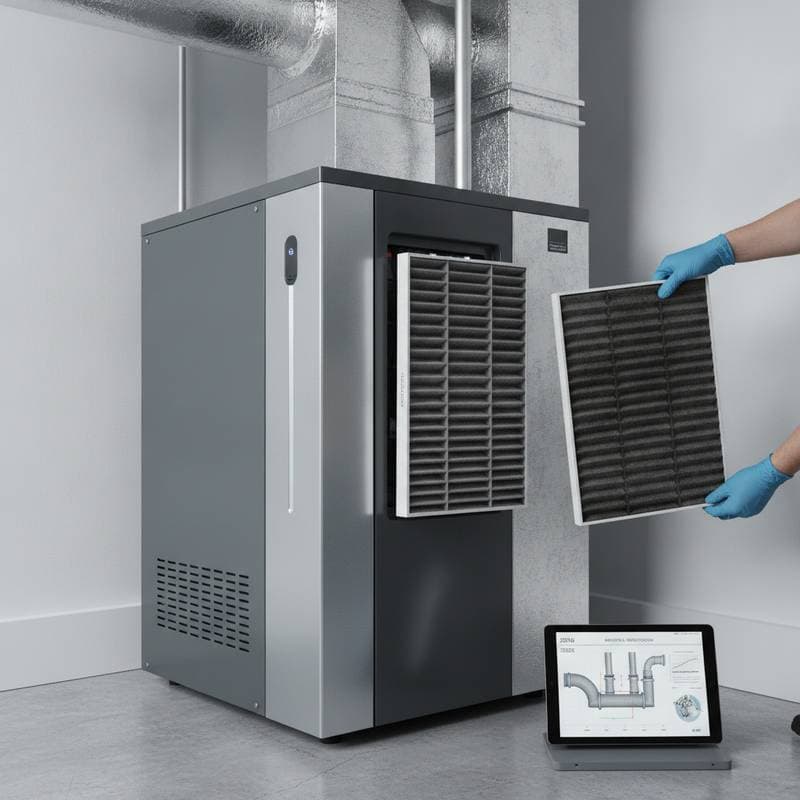
- Slide out the old filter and inspect it against a light source. If you can barely see through it, replace it.
- Check the arrow on the frame for airflow direction. Insert the new filter with the arrow pointing toward the blower motor.
- Record the date on the frame for easy tracking.
If you have pets or live near construction or heavy foliage, check your filter monthly during fall.
Setting a Reliable Schedule
A smart way to stay on track is to combine filter changes with other seasonal tasks. When cleaning gutters or testing smoke alarms, check the filter too. You can also set a reminder on your phone. Some smart thermostats track air filter life automatically.
Protecting Your HVAC System
Regular filter replacement protects your HVAC system in simple ways. Clean filters improve efficiency. They reduce wear on components and keep indoor air fresh. A few dollars and a few minutes of maintenance can prevent costly service calls later.
As fall deepens, make filter checks part of your household routine. Your system will run smoother. Your energy bills will stay lower. Your home will feel more comfortable through the colder months ahead.