Understanding the Three Levels of Chimney Inspections
A warm fire creates comfort in a home, yet safety depends on proper chimney function. The chimney directs smoke, gases, and heat outdoors. Creosote buildup, cracks, or blockages can create serious hazards. Regular inspections identify small issues before they grow into expensive repairs or safety threats.
Levels of Chimney Inspection
The Chimney Safety Institute of America sets three standard inspection levels. Each level provides a different depth of evaluation and carries a distinct price.
Level 1: Basic Visual Review
A Level 1 inspection consists of a visual examination of all accessible chimney components. The technician checks for soot accumulation, surface cracks, and obvious damage. This level fits homes with regular fireplace use and no recent system changes. It remains the most affordable option.
Level 2: Camera and Structural Review
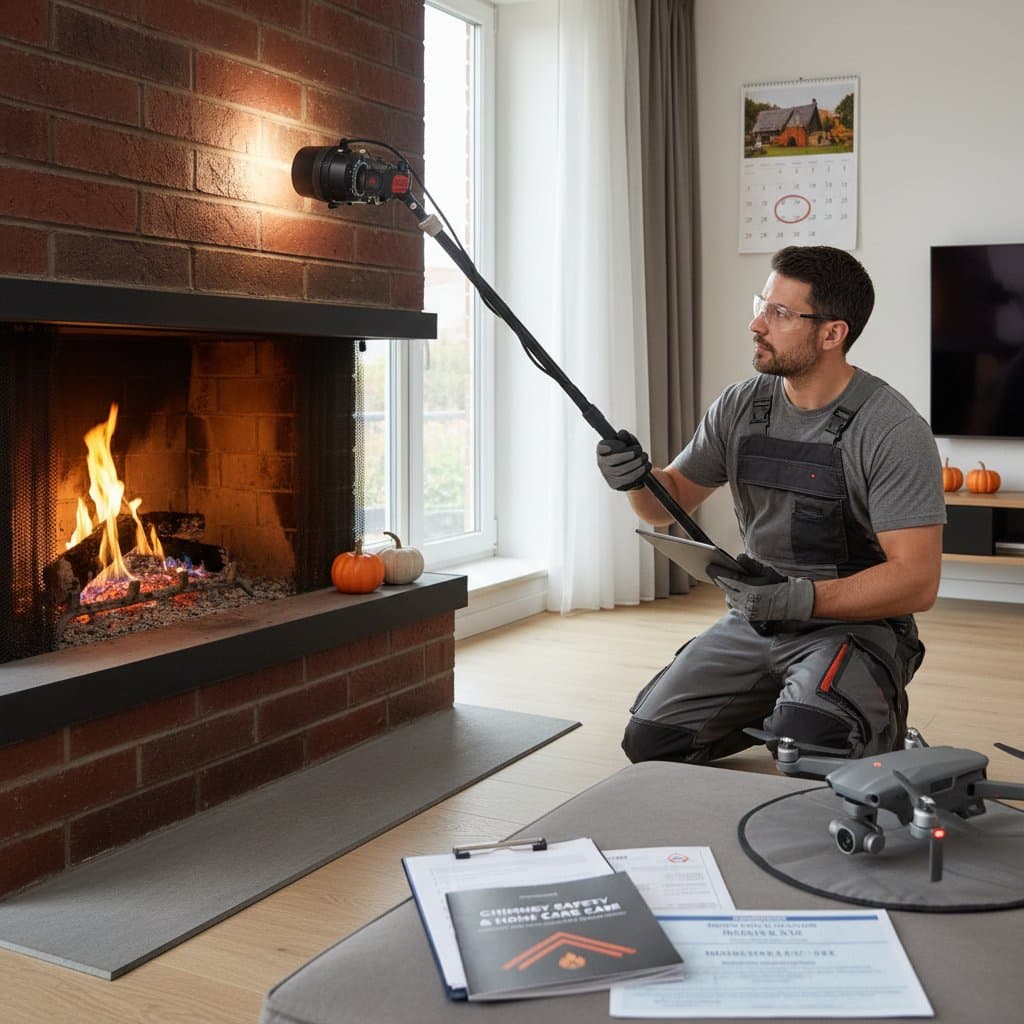
A Level 2 inspection builds on Level 1 by adding a video scan of the flue interior. Homeowners often request this service during property sales, after a chimney fire, or following severe storms. The scan reveals internal conditions and confirms that connections meet safety codes. Equipment and time requirements increase the price.
Level 3: Partial Disassembly
A Level 3 inspection incorporates all prior steps and may involve removal of wall or chimney sections for complete access. Technicians use this level only when major structural damage is suspected. Partial demolition raises the cost significantly, so it is reserved for clear signs of failure.
Factors That Influence Inspection Costs
Several variables determine final pricing. Awareness of these elements allows accurate budgeting.
- Chimney height and overall size affect equipment needs and labor time.
- Limited roof access or steep pitches require extra safety measures and personnel.
- Wood-burning units demand more residue removal than gas or pellet systems.
- Prior neglect or visible water damage calls for extended evaluation.
- Regional labor rates and travel distance alter charges between urban and rural areas.
- Bundled cleaning or repairs completed in one visit often lower total expenses.
Advantages of Consistent Inspections
Routine checks deliver measurable returns. Early detection of cracks or buildup reduces fire risk. Efficient draft improves indoor air quality and heating performance. Minor masonry repairs cost far less than full liner replacement. Documented service history supports higher resale value. Proper maintenance also limits heat loss through consistent draft.
Homeowners frequently report that inspections uncovered hidden nests or leaks before water damage spread to ceilings or walls.
Common Add-On Services
Inspectors may suggest additional work during the visit. A chimney sweep clears soot and creosote to restore proper flow. A smoke test confirms flue integrity and leak-free operation. Application of a moisture barrier on the crown protects masonry from future water intrusion. Replacement of a damaged cap or damper prevents animal entry and improves energy retention.
Selecting a Certified Inspector
Credential verification protects homeowners. Confirm certification through the Chimney Safety Institute of America or the National Fireplace Institute. Request recent references and review online feedback from local clients. Obtain at least two written estimates that list the inspection level and any separate fees. Verify that the company maintains liability and workers compensation coverage. A thorough professional supplies photographs or video along with clear recommendations.
Answers to Frequent Questions
Prices differ because companies vary in equipment quality, technician experience, and report detail. Unused fireplaces still require periodic checks because moisture and nesting can cause hidden deterioration. A basic Level 1 inspection usually finishes in under one hour, while Level 2 may require two hours. Level 3 work can extend to half a day. Homeowners insurance rarely covers routine inspections, though storm-related damage may qualify for reimbursement with proper records. The final report contains images, condition assessments, and prioritized repair suggestions.
Planning Your Next Inspection
Schedule service before the heating season begins. Keep records of every inspection and repair. These steps maintain safety, control long-term costs, and preserve home value.