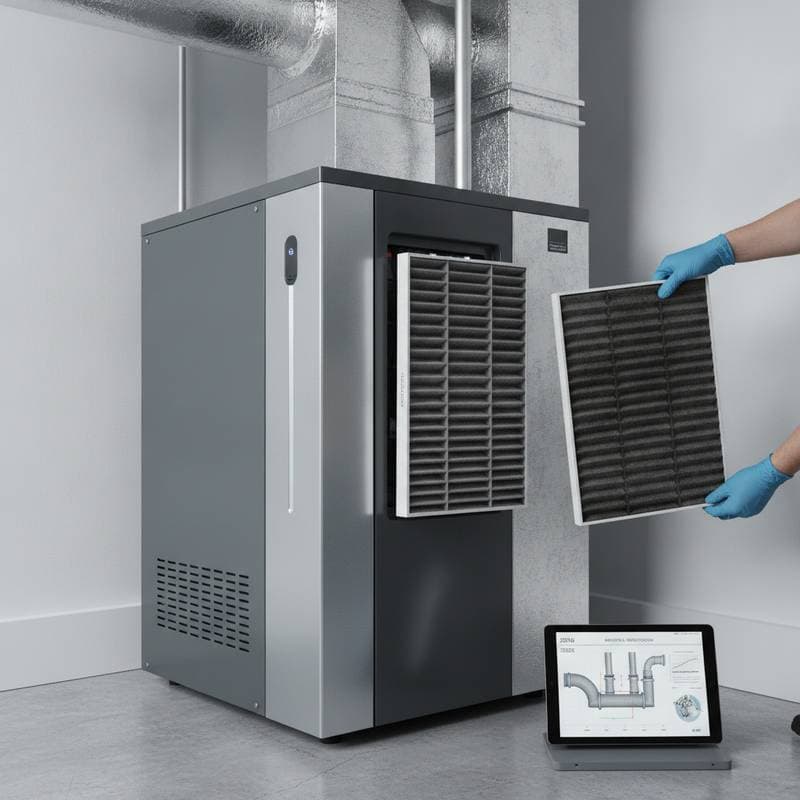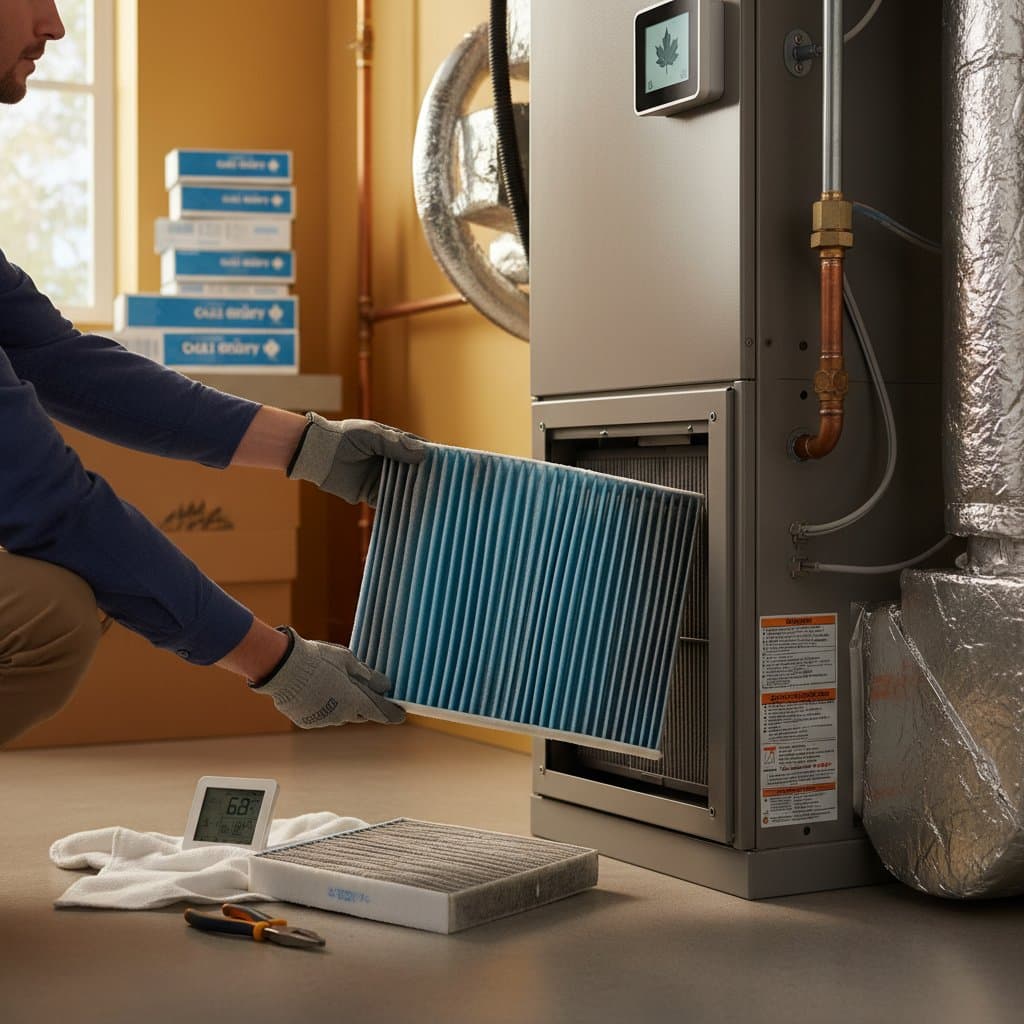
Understanding the Importance of Fall HVAC Filter Replacement
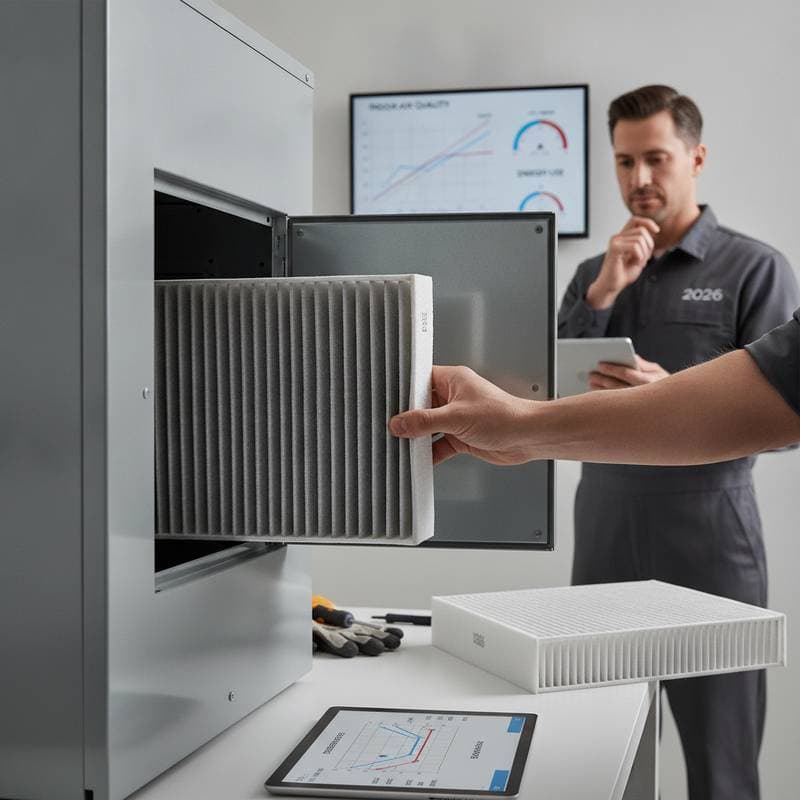
As temperatures drop and heating systems activate, the HVAC filter plays a critical role in maintaining home comfort. It captures dust, allergens, and debris to protect the furnace, reduce energy consumption, and ensure fresh indoor air. Homeowners who overlook timely fall replacements often face increased utility bills, reduced heating efficiency, and potential equipment strain.
This article details the optimal approach to fall filter changes. It examines filter mechanics, ideal timing factors, maintenance tools, cost considerations, common misconceptions, a comprehensive checklist, and troubleshooting strategies. By following these guidelines, readers can achieve reliable performance throughout the heating season.
Mechanics of HVAC Filters
HVAC filters position within the return air duct to intercept airborne particles during airflow. Materials such as fiberglass, pleated fabric, or electrostatic charges capture contaminants ranging from large dust motes to fine pollutants. Efficiency levels, denoted by the MERV scale, indicate the smallest particle size a filter can trap effectively.
Standard residential systems perform best with MERV ratings from 8 to 13, which provide robust filtration without impeding air circulation. Households prone to allergies or asthma may benefit from MERV 13 or higher, though professional consultation ensures compatibility to avoid airflow restrictions.
Optimal Timing for Fall Filter Replacement
Several variables influence the precise moment for a fall filter swap. Regional climate patterns, such as increased dust in arid areas, accelerate clogging and necessitate earlier action. Frequent use of the HVAC fan for circulation shortens filter lifespan, while homes with pets or allergy sufferers require more frequent exchanges to maintain air purity.
Experts recommend installing a fresh filter just prior to sustained heating operation, typically from late summer into early autumn. This timing aligns clean filtration with peak demand, preventing early blockages that could compromise warmth distribution. Monitor local weather forecasts to pinpoint the transition from cooling to heating modes.
Maintenance Tools for Consistent Scheduling
Forgetting filter changes often stems from oversight amid busy schedules. Modern solutions simplify adherence:
- Smart thermostats track runtime hours and issue notifications for replacement.
- Subscription services mail filters at customizable intervals, eliminating procurement hassles.
- Dedicated apps enable logging of service dates and automated reminders tailored to HVAC needs.
Traditional methods, like setting recurring calendar alerts, remain effective for those preferring simplicity. Establishing a routine fosters long-term system health and cost efficiency.
Evaluating Costs and Replacement Intervals
Filter expenses depend on material and dimensions, with basic options starting under five dollars and advanced models exceeding twenty. Initial investments in higher-quality filters yield returns through diminished energy use and extended equipment life.
Consider this comparison to guide selections:
| Filter Type | Average Cost | Recommended Interval |
|---|---|---|
| Fiberglass | Low | Every 1 month |
| Pleated | Medium | Every 2-3 months |
| Electrostatic | High | Every 3-6 months |
| HEPA-rated | Higher | Every 6-12 months |
Integrating such a reference into a personal maintenance plan balances budget with filtration benefits.
Debunking Filter Replacement Myths
Misinformation can lead to suboptimal practices. Address these prevalent errors:
- Annual changes suffice for all systems. In reality, monthly or quarterly swaps preserve efficiency and avert repairs.
- Higher MERV ratings universally improve outcomes. Overly restrictive filters may strain blowers if mismatched.
- Visible air clarity indicates filter adequacy. Invisible particulates accumulate regardless, demanding regular inspection.
- Reusable filters always reduce expenses. Proper cleaning and system suitability are essential for their viability.
Dispelling these notions empowers informed decisions that enhance home environments.
Comprehensive Fall Maintenance Checklist
Pair filter replacement with broader preparations to streamline efforts. Essential tasks include:
- Clean or vacuum interior air vents to remove accumulated dust.
- Verify functionality of smoke and carbon monoxide alarms.
- Apply weatherstripping to seal drafts around windows and doors.
- Calibrate the thermostat for precise temperature control.
- Remove leaves and debris from exterior condenser units.
This integrated routine promotes safety, efficiency, and comfort as winter approaches.
Resolving Frequent Filter Problems
Post-installation issues may signal underlying concerns. Inspect for:
- Improper sizing, which allows bypass of unfiltered air.
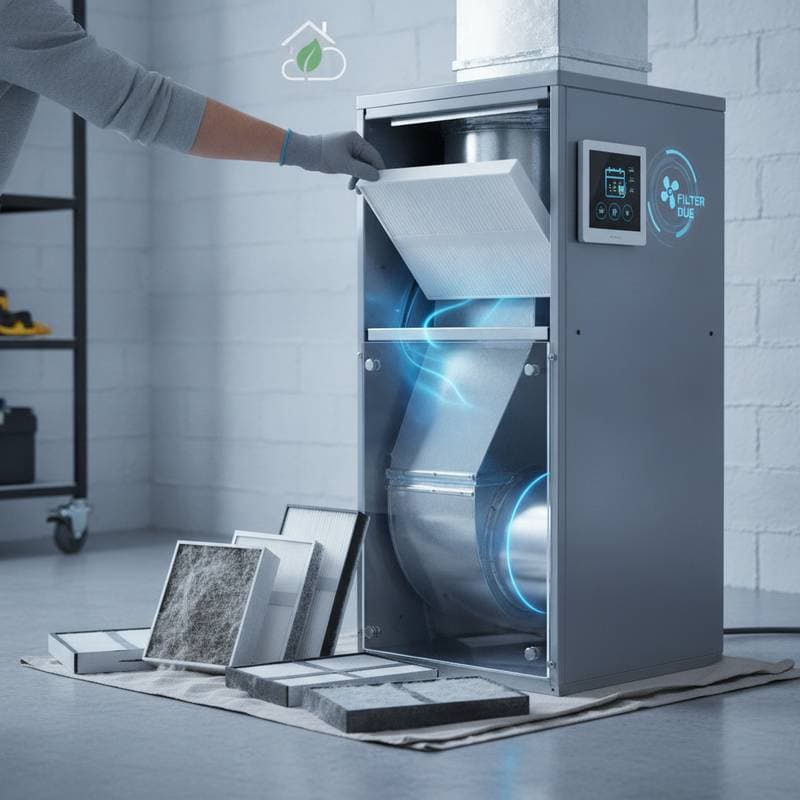
- Reversed orientation; directional arrows must face the airflow path to the furnace.
- Structural weakness causing collapse under pressure; opt for durable constructions.
- Rapid re-clogging, potentially indicating dirty ducts requiring professional cleaning.
Prompt resolution of these prevents escalation to major system failures.
Achieving Lasting Heating Efficiency
Implementing fall filter swaps positions homeowners for superior performance compared to spring routines. Fall changes coincide with intensive heating use, maximizing energy savings and air quality gains. Consistent application of these strategies ensures a dependable, cost-effective HVAC operation year-round.