Know When to Replace HVAC Filters This Fall
As temperatures drop and heating systems activate, homeowners benefit from timely HVAC filter replacement. Clean filters support strong airflow, stable energy use, and better indoor air. Neglecting this task allows debris to build up, which raises operating costs and risks equipment strain.
HVAC Filter Types and Their Roles
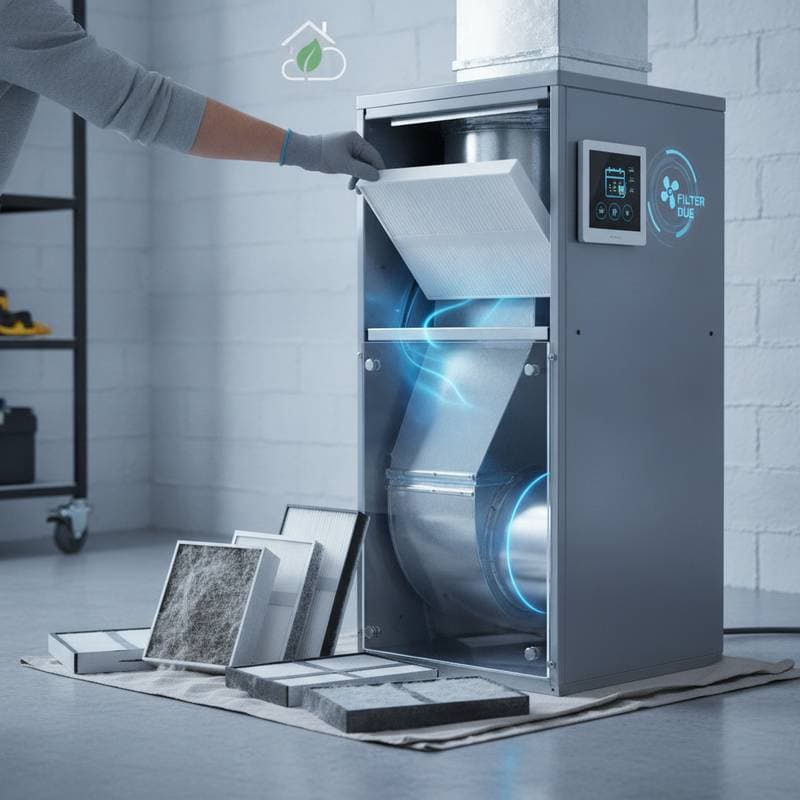
Filters capture dust, pollen, and dander before air recirculates through living spaces. Different materials handle particles at varying levels of effectiveness.
- Fiberglass filters provide basic capture at low cost and need monthly swaps.
- Pleated filters use folded media to trap smaller particles and often last two to three months.
- Electrostatic filters rely on static charge and come in reusable or disposable forms.
- HEPA filters achieve the highest removal rates yet may need professional review for proper system fit.
Select the type that matches both equipment requirements and household conditions.
Typical Costs and Purchase Choices
Filter prices range from 10 to 50 dollars for standard sizes, with premium options reaching 100 dollars. Bulk packs and subscription deliveries reduce per-unit expense and help maintain a steady supply. Urban stores may charge more than online sources, so compare options before peak season demand increases.
Filter Performance Tiers
Basic fiberglass models cost 5 to 15 dollars and suit homes without pets. Standard pleated versions run 15 to 40 dollars and improve air quality for up to 90 days. Premium electrostatic or HEPA units start at 50 dollars and serve households with allergies. Specialized odor or antimicrobial filters fall between 40 and 100 dollars.
Factors That Shorten Filter Life
Several conditions accelerate clogging during fall.
- Frequent system operation moves more air and loads filters faster.
- Larger homes or higher occupancy generate additional dust.
- Pets release hair and dander that accumulate quickly.
- Allergy sufferers need cleaner air and therefore more frequent changes.
- Proximity to construction or roads increases outdoor particle entry.
Match replacement intervals to these variables rather than a fixed calendar.
Optional Services That Support Filter Performance
Technician visits confirm correct airflow direction and fit. Duct cleaning, priced from 300 to 500 dollars, extends filter life by reducing overall debris. Smart thermostats that monitor air quality add 100 to 200 dollars yet send timely alerts. Emergency service carries a 20 to 30 percent premium, so routine planning avoids these charges.
Recommended Replacement Intervals
Basic filters require attention every 30 days. Pleated models perform well for 60 to 90 days. Premium and HEPA filters reach 90 to 120 days under normal use. Begin the season with a fresh filter and inspect monthly. Visible dust on the media or weaker airflow from vents signals an earlier swap.
Professional Versus Home Replacement
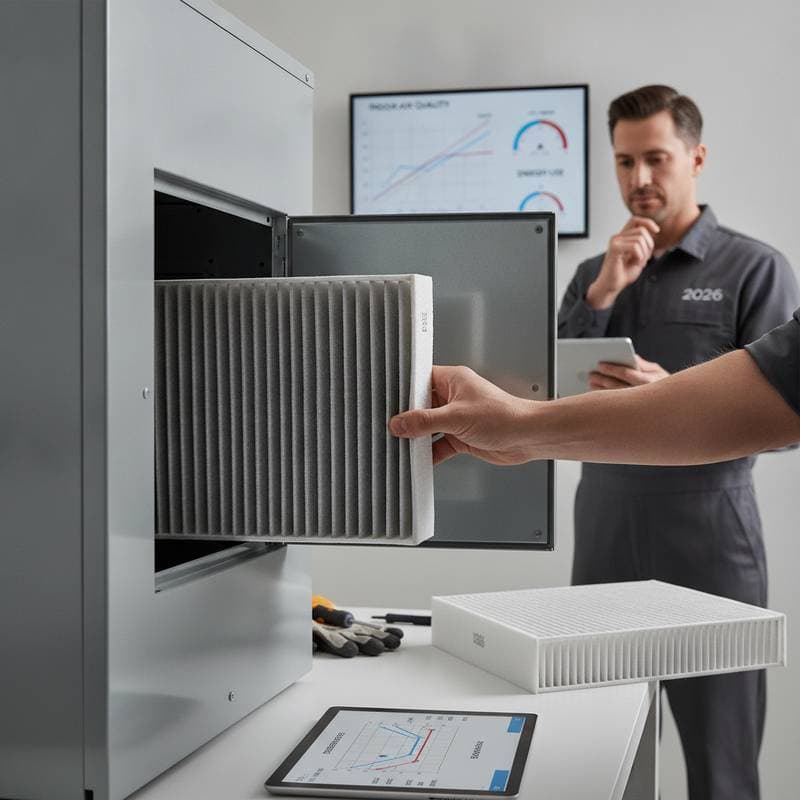
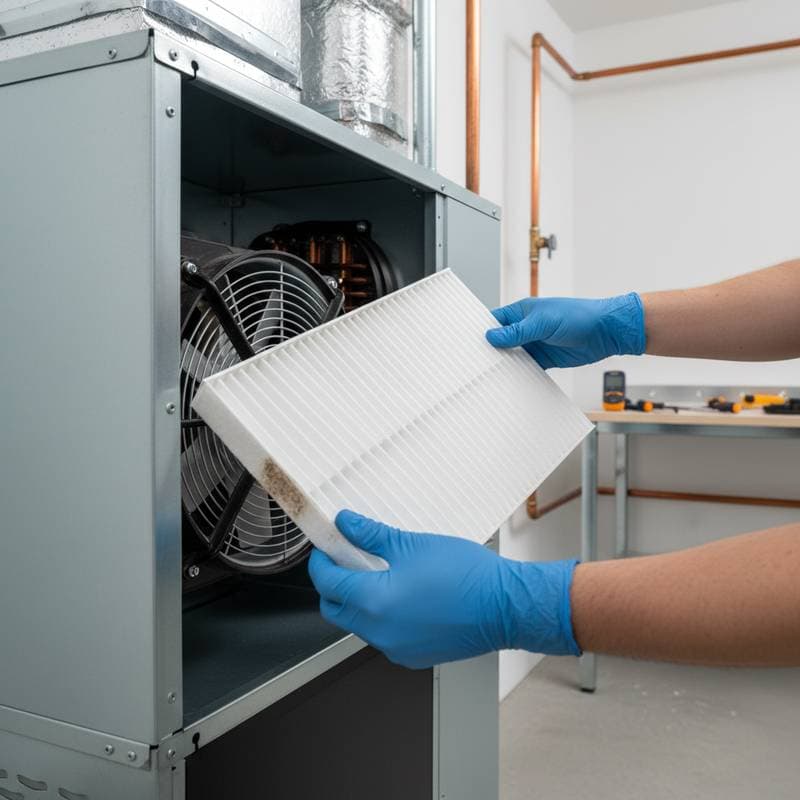
Homeowners can complete most filter changes in under five minutes with no tools. Professional service adds inspection of system components and access to higher-grade media. A practical plan combines regular self-service with one or two contractor visits each year.
Energy Savings From Routine Care
Unrestricted airflow lets the heating system operate at designed efficiency. The resulting reduction in energy use often reaches 5 to 15 percent. Over a season these savings exceed the modest cost of replacement filters.
Establish a Seasonal Maintenance Routine
Identify the current filter size and type first. Purchase in quantity or enroll in a delivery schedule to prevent gaps. Record change dates on a household calendar or device reminder. Consistent attention keeps heating costs predictable and indoor air clean throughout the colder months.