Understanding Chimney Inspections in Fall 2026
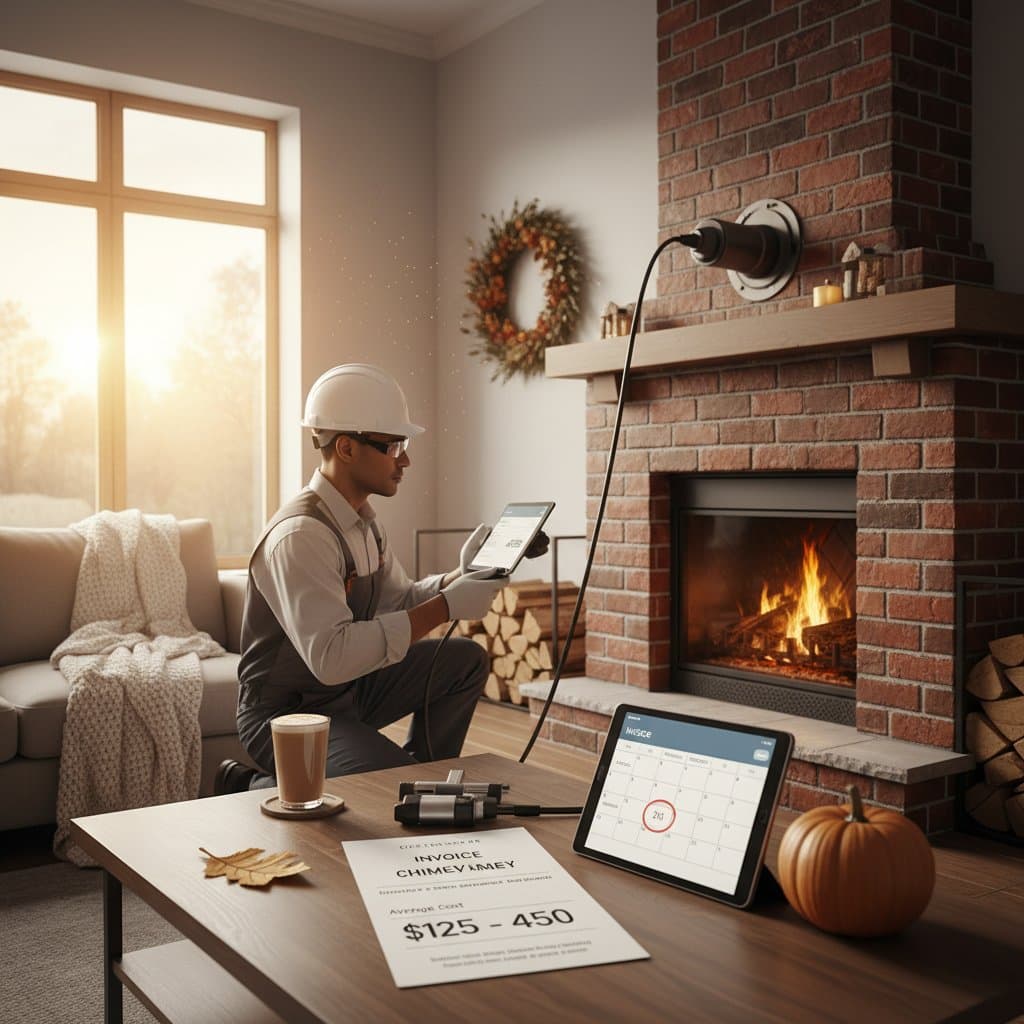
Chimney inspections serve as a critical maintenance step before the heating season begins. These evaluations check for blockages, structural damage, and creosote buildup that could lead to fires or inefficient burning. In 2026, homeowners can expect costs to range from $125 for a basic visual check to $450 for a comprehensive Level II inspection involving cameras and advanced tools.
The importance of these inspections grows with the transition to cooler weather. Fall timing allows professionals to address issues before heavy use, reducing the risk of carbon monoxide exposure or chimney fires. Certified inspectors follow standards set by organizations like the Chimney Safety Institute of America to ensure thorough assessments.
Why Schedule a Fall Inspection
Fall inspections prepare fireplaces for winter demands, when usage increases significantly. Delaying until mid-winter often results in higher fees due to demand surges and potential emergency calls. Early checks also identify minor repairs that prevent costly overhauls later.
Beyond safety, inspections improve heating efficiency. Clean chimneys allow better draft, which means less fuel consumption and lower energy bills. For homes with wood-burning systems, this step complies with local fire codes and insurance requirements.
Breakdown of 2026 Inspection Costs
Costs for chimney inspections in 2026 vary based on service level and location. A basic Level I inspection, which involves visual examination from the roof and firebox, starts at $125. This option suits chimneys in good condition with no recent issues.
Mid-range services, around $250, include soot removal and minor cleaning. For complex cases, such as older homes or multi-flue systems, prices reach $450. These higher-end inspections use video scanning to detect hidden cracks or animal nests.
Regional differences influence pricing as well. Urban areas with stricter regulations charge more than rural locations. Expect an additional 10 to 20 percent for travel fees in remote spots.
Factors Influencing Pricing
Several elements determine the final cost of a 2026 fall inspection. Chimney height plays a key role; taller structures require more time and safety equipment, adding $50 to $100. Material type matters too, with masonry chimneys often needing specialized tools compared to prefabricated metal ones.
The extent of buildup affects the bill. Heavy creosote accumulation demands extended cleaning, which elevates fees. Inspectors also consider accessibility; hard-to-reach chimneys increase labor time.
Home age and system type contribute to variations. Older properties with vintage designs incur higher costs due to potential complexities. Gas fireplaces require different checks than wood-burning units, sometimes lowering the price for simpler evaluations.
Cost Comparison Table
| Inspection Type | Average Cost | What It Includes |
|---|---|---|
| Level I (Visual) | $125 - $200 | Roof and interior visual check, basic safety assessment |
| Level II (Camera) | $250 - $350 | Video scan, creosote measurement, detailed report |
| Full Service with Cleaning | $350 - $450 | Inspection plus thorough cleaning and minor repairs |
How to Prepare for Your Inspection
Preparation enhances the process and may reduce costs. Start by clearing the area around the fireplace, removing ash and debris from the firebox. This access allows the inspector to work efficiently without delays.
Schedule early in the season, ideally September or early October 2026, to avoid peak pricing. Contact certified professionals through local directories or recommendations. Verify credentials to ensure compliance with safety standards.
Gather information on your chimney's history. Note any recent repairs or unusual smoke patterns. This detail helps the inspector focus on potential problem areas.
- Remove all items from the hearth and mantel.
- Ensure the roof access is clear and safe.
- Inform the inspector of any known issues, such as drafts or odors.
- Have a ladder ready if the chimney is low-profile.
Signs That Indicate an Urgent Inspection
Certain symptoms signal the need for immediate attention. Excessive smoke in the room during fires points to draft problems or blockages. A foul odor from the chimney suggests animal intrusion or moisture damage.
Physical changes warrant a check as well. Cracks in the flue liner or crumbling mortar increase fire risks. If the fireplace has not been inspected in over a year, prioritize it for 2026.
Yellowish stains on the exterior may indicate water leaks, leading to deterioration. Address these promptly to prevent escalation into major repairs.
Choosing the Right Professional
Select inspectors with certifications from reputable bodies. Experience in local climate conditions ensures accurate assessments for 2026's weather patterns. Request quotes from multiple providers to compare services and pricing.
Look for those offering detailed reports with photos. This documentation aids future maintenance and insurance claims. Avoid unlicensed operators, as they may overlook critical issues.
Maintaining Your Chimney Post-Inspection
After the inspection, follow recommendations to extend chimney life. Burn seasoned hardwoods to minimize creosote formation. Avoid softwoods or treated materials that accelerate buildup.
Annual cleanings complement inspections. For moderate use, schedule one per year; heavy users may need more. Monitor for changes and address them quickly.
Install a chimney cap to prevent debris and animal entry. This simple addition protects against common fall issues like leaf accumulation.
Benefits of Timely Fall Inspections
Investing in a 2026 fall inspection yields long-term savings and security. Preventative care avoids emergency repairs, which can exceed $1,000. Safe chimneys ensure family protection during cold nights.
Efficiency gains translate to reduced heating costs. A well-maintained system operates at peak performance, providing reliable warmth. Enjoy the season with confidence, knowing hazards are minimized.