Prepare Your AC Now for a Seamless Summer
A dependable air conditioner maintains cool, comfortable, and secure indoor environments during intense heat. Homeowners often delay attention to their cooling systems until heatwaves strike. At that point, small glitches escalate into significant failures. Early preparation guarantees efficient operation and sidesteps costly disruptions amid high demand.
This guide outlines steps to ready your air conditioner for summer. It addresses inspection procedures, maintenance strategies, expense projections, and decisions between professional assistance and self-managed efforts.
Benefits of Early AC Preparation
Arranging maintenance prior to rising temperatures yields multiple advantages. Availability of technicians increases, minimizing delays. Emergency service fees become avoidable. Time exists to procure components or plan subsequent fixes before heat intensifies.
Data from the National Comfort Institute indicates that preseason-serviced systems achieve 15 to 20 percent greater efficiency than those addressed during peak periods. Such preparation not only prevents discomfort but also optimizes performance from the outset.
Inspection and Maintenance Steps
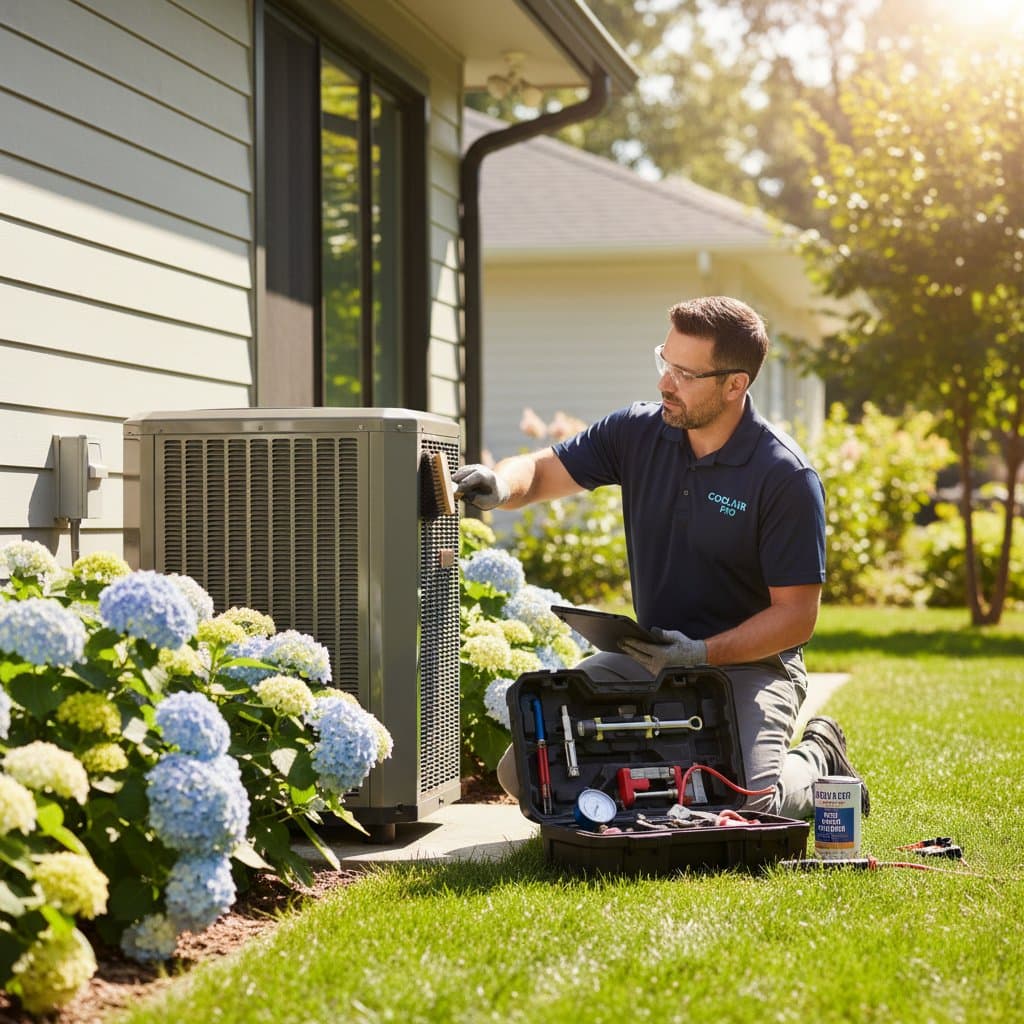
Begin with a thorough visual check of the outdoor condenser unit. Clear debris, leaves, and vegetation within two feet to ensure proper airflow. Inspect the indoor evaporator coil for dirt buildup, which hinders heat exchange.
Test the thermostat functionality by adjusting settings and verifying consistent temperature response. Examine drain lines for clogs, as blockages lead to water damage. Listen for unusual noises during operation, signaling potential issues like loose parts or failing motors.
DIY Maintenance Tasks
Homeowners can handle several upkeep routines independently. Replace air filters every one to three months, selecting filters with a MERV rating of 8 to 13 for balanced filtration and airflow. Clean the outdoor unit coils gently with a hose, avoiding high-pressure sprays that damage fins.
Wipe down the evaporator coil accessible via the access panel using a soft brush and coil cleaner solution. Ensure vents remain unobstructed throughout the home to promote even cooling distribution. These actions maintain basic hygiene and catch early wear.
Professional Tune-Up Essentials
Certified technicians perform comprehensive diagnostics beyond basic cleaning. They measure refrigerant levels and recharge if necessary, adhering to EPA guidelines. Electrical components receive inspection for corrosion or wear, with safety tests on wiring and capacitors.
Technicians calibrate blower motors and check duct integrity for leaks. A full system performance evaluation follows, including static pressure readings to confirm optimal operation. Such detailed service identifies hidden problems before they worsen.
Understanding AC Maintenance Costs
Service expenses vary based on provider models and job specifics. Awareness of these factors aids budgeting and informed choices.
Common Pricing Approaches
Providers often apply hourly rates ranging from 80 to 150 dollars per hour. Flat-rate packages for standard tune-ups offer upfront cost certainty, typically between 100 and 200 dollars. Hourly structures suit minor fixes, while flats benefit routine visits.
For homes with multiple units, per-unit charges apply: a base fee for the primary system, reduced rates for others. Project pricing covers extensive work like duct sealing or coil replacement, quoted after initial assessment.
Annual Plans and Subscriptions
HVAC firms promote yearly maintenance contracts with two visits, priority access, and part discounts, priced at 150 to 400 dollars. These plans suit frequent users, yielding long-term savings. Subscriptions provide ongoing predictability, ideal for rentals or older properties.
One-off services fit newer units under warranty or occasional needs. Compare options by requesting detailed quotes to align with usage patterns.
Factors Influencing Maintenance Expenses
System scale impacts time and resources required. Larger residences demand extended labor for comprehensive coverage. Multi-zone setups or advanced compressors necessitate precise adjustments, elevating fees.
Job complexity rises with smart integrations or specialized controls, requiring expert handling. Routine tune-ups last one to two hours; deeper cleans or replacements extend durations. After-hours emergencies incur premiums, often doubling standard rates.
Materials contribute variably: filters cost 10 to 30 dollars, refrigerant recharges add 200 to 500 dollars. Part swaps, such as belts or contactors, range from 50 to 300 dollars plus labor.
Selecting a Qualified HVAC Technician
Prioritize certifications from NATE or EPA to confirm adherence to industry standards. Request written proposals outlining included tasks, timelines, and guarantees. Review online feedback and verify licensing for reliability.
Established firms like One Hour Heating & Air Conditioning offer fixed pricing and satisfaction assurances. Local independents provide tailored attention at competitive costs. Inquire about experience with your system type to ensure compatibility.
Enhancing System Efficiency
Regular servicing extends beyond repair prevention to energy optimization. Clean components facilitate quicker cooling with reduced power draw. The U.S. Department of Energy reports potential seasonal savings of up to 15 percent through consistent care.
Install programmable thermostats to automate setbacks during absences, conserving electricity. Seal ductwork gaps with mastic sealant to minimize losses. Add insulation to attics and shade exterior units with awnings for added performance gains.
Steps to Implement Preparation
Early air conditioner readiness represents a prudent investment against summer disruptions. Schedule professional evaluation promptly, complemented by ongoing self-checks. Monitor filters, clearances, and operations vigilantly.
This strategy secures reliable cooling, trims utility expenses, and fosters tranquility amid heat. Proactive measures equip your system to handle seasonal demands effectively.