Fall HVAC Filter Guide for Cleaner Indoor Air
Cooler temperatures draw people indoors, where air quality directly impacts health and comfort. HVAC filters capture dust, pollen, and pollutants to maintain fresh air. Selecting an appropriate filter enhances system performance and reduces allergens effectively.
HVAC Filter Cost Fundamentals
Filter prices fluctuate based on size, material composition, and efficiency rating. Standard disposable fiberglass options typically range from five to fifteen dollars per unit. Pleated filters, which provide superior particle capture, cost between fifteen and forty dollars. Advanced models for allergy relief or smoke reduction may exceed one hundred dollars.
Location influences costs significantly. Regions with elevated pollen or pollution levels see higher demand for premium filters, driving up prices. In humid coastal areas, mold-resistant varieties command a premium. Seasonal demand peaks before heating seasons, often increasing prices by ten to twenty percent as homeowners prepare systems.
Broader economic conditions, including raw material expenses and supply disruptions, affect pricing. Rising costs for synthetic fibers or metal components directly elevate filter prices across the market.
Pricing Models and Structures
Filters generally serve as single-use items, available in various packaging formats. Retailers provide bulk packs that lower per-unit costs by up to twenty percent. Subscription services deliver replacements quarterly, often at a slight premium for the added convenience of scheduled maintenance.
Custom filters for specialized HVAC systems feature unique dimensions or designs, priced on a per-unit basis. Commercial buyers benefit from volume discounts, with per-case pricing for large orders in apartment complexes or offices.
Service Tiers and Their Price Points
Filters divide into three tiers based on performance and cost.
-
Basic fiberglass filters suit budget-conscious users or low-demand systems. These affordable options, priced under fifteen dollars, require monthly changes and capture only larger particles.
-
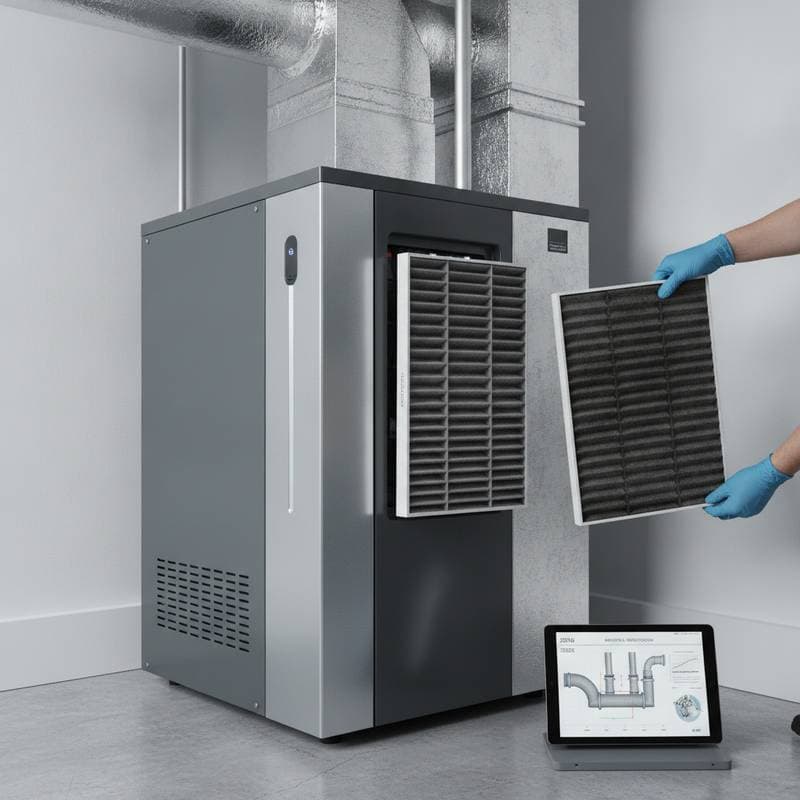
Mid-range pleated filters, with MERV ratings around eight to thirteen, offer balanced efficiency. Priced from fifteen to thirty dollars, they trap dust, pet dander, and pollen effectively.
-
Premium filters, including those with MERV thirteen or higher and HEPA technology, target fine particles like bacteria and smoke. These cost thirty to one hundred dollars and include features such as electrostatic charging or carbon layers for odor control, ideal for allergy sufferers.
Key Variables Influencing HVAC Filter Pricing
Homeowners encounter several pricing determinants:
-
System dimensions: Oversized units demand larger filters, increasing expenses by twenty to fifty percent.
-
Efficiency rating: Elevated MERV values require advanced materials, raising costs proportionally.
-
Environmental demands: Dusty climates or high-traffic homes accelerate wear, necessitating frequent purchases.
-
Construction materials: Pleated synthetics or carbon integrations elevate manufacturing expenses.
-
Brand quality: Established names like Honeywell, Filtrete, and Lennox justify higher prices through proven durability and performance.
Add-on Services and Supplemental Charges
Beyond the filter purchase, additional services impact overall costs.
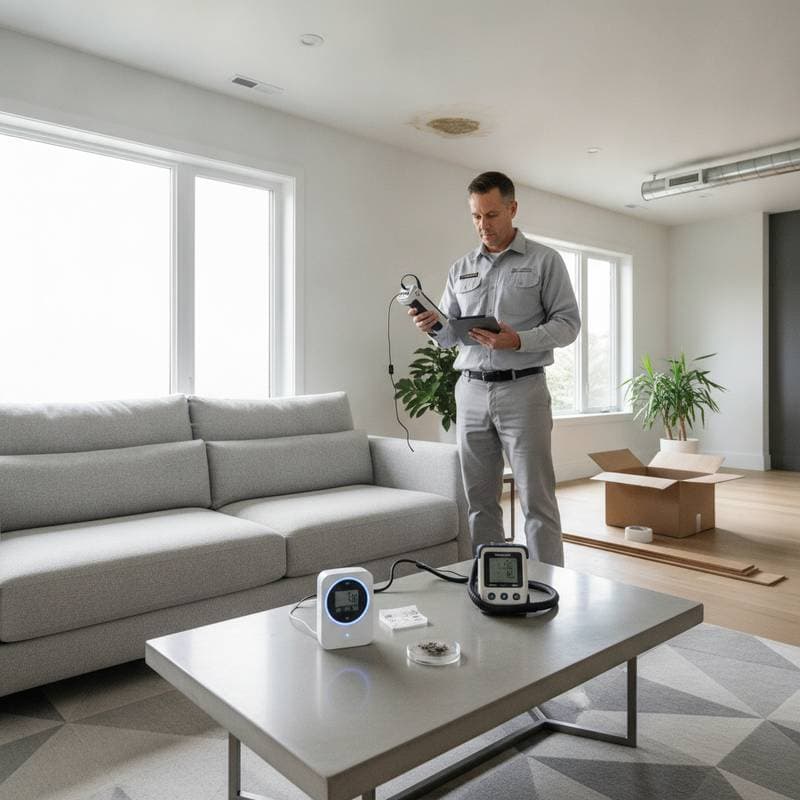
Professional installation during routine checks ranges from fifty to one hundred dollars, depending on regional labor rates. Duct cleaning, which enhances airflow and extends filter life, starts at three hundred dollars for standard homes. Air quality assessments, measuring particle levels pre- and post-installation, cost one hundred to two hundred dollars.
Online orders may incur fees for expedited shipping, adding ten to thirty dollars for urgent deliveries of custom sizes.
Expert Insights and Consumer Trends
Maria Chen, HVAC technician at CleanAir Systems, emphasizes timely replacements. "Even the most advanced filter loses efficiency once clogged with dust," she notes. Surveys indicate sixty percent of homeowners exceed recommended change intervals, compromising air purity and energy use.
National Air Filtration Association data reveals that consistent replacements cut energy use by fifteen percent, yielding utility savings. Smart thermostats with filter-life alerts improve compliance and boost user satisfaction with home comfort.
Selecting the Optimal Filter for Your Needs
Evaluate your home's specific conditions to choose wisely. Consider allergy prevalence, pet presence, and local air quality. Match the filter's MERV rating to your system's capabilities; consult the manual to avoid airflow restrictions from overly dense options.
Test different tiers seasonally. Start with pleated filters for general use, upgrading to HEPA if fine particles persist. Track replacement dates using calendar reminders or apps to maintain peak performance.
Achieving Lasting Indoor Comfort
Investing in quality filters and regular upkeep transforms air quality and system efficiency. Homeowners notice reduced dusting, fewer allergy symptoms, and lower energy bills. Prioritize these steps for a healthier, more comfortable living space year-round.