Fall Chimney Inspection: Timing, Costs, and What Awaits
A fireplace provides warmth and comfort to a home, yet it demands careful maintenance. As temperatures decline and homeowners gear up for winter, a chimney inspection emerges as a critical safety step. This process safeguards property, maintains air quality, and boosts heating efficiency. Homeowners benefit from knowing the ideal timing, typical expenses, and inspection details to plan ahead and sidestep unexpected issues.
Pricing Models and Structures
Chimney inspection providers employ diverse pricing approaches, influenced by service type, provider, and inspection depth.
Hourly Rates Versus Flat Fees
Certain sweeps and inspectors bill hourly, with rates ranging from $50 to $120, depending on expertise and region. Flat fees prevail for standard inspections, delivering cost certainty. Hourly charges typically arise when complications demand extended evaluation or fixes.
Per Unit or Project-Based Pricing
Homes with multiple chimneys or multi-unit structures receive charges per chimney or per overall project. Each extra flue contributes $40 to $80 to the invoice. This model suits property managers handling several inspections in one visit.
Bundle or Package Pricing Strategies
Providers frequently propose packages combining inspection and cleaning. Such services range from $200 to $400, yielding about 15 percent savings over individual bookings. Packages may incorporate smoke tests, draft evaluations, or internal flue camera examinations.
Subscription Versus One-Time Service Costs
Annual maintenance plans appear from select providers. These cost $150 to $300 yearly and cover one inspection plus one cleaning, with priority booking. Frequent fireplace users gain from the convenience and steady care these plans offer.
Key Variables Influencing Chimney Inspection Pricing
Several elements shape the total expense, including the chimney's state, geographic location, and usage patterns.
Scope or Size of the Project
Chimneys with multiple flues or intricate layouts demand additional time and tools. Commercial sites require extended reviews, elevating labor expenses.
Complexity and Required Skill Level
Inspections needing scaffolding, cameras, or engineer collaboration incur higher fees. Specialists certified by the Chimney Safety Institute of America command premium rates, reflecting their skills and liability coverage.
Time Required for Completion
Basic checks last about one hour, whereas thorough ones span multiple hours. Time-driven billing ties extended durations to increased costs.
Materials or Equipment Needed
Specialized items like thermal imagers, pressure testers, or advanced cameras add to estimates. These enhance precision yet raise overall charges.
What Inspectors Look for During Fall Evaluations
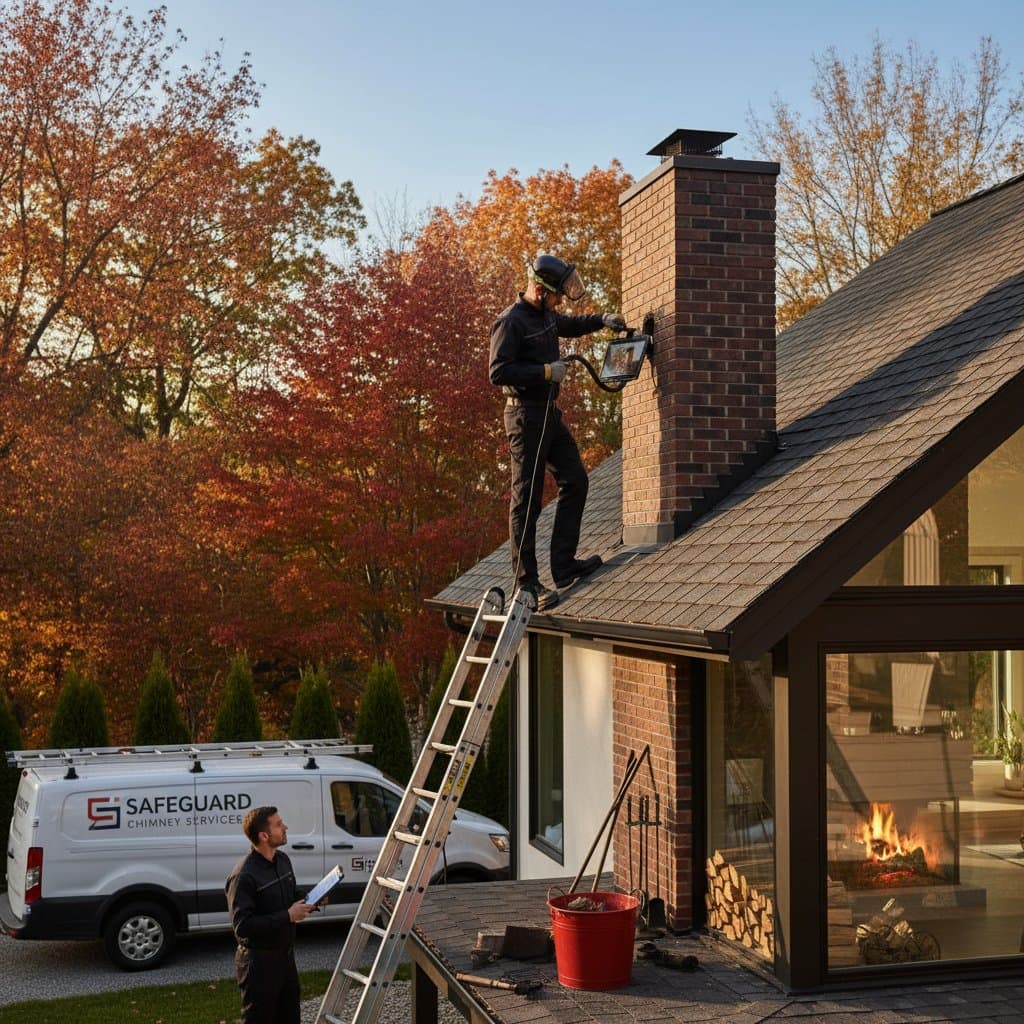
Fall assessments target potential hazards before heavy fireplace use begins. Experts scrutinize the cap, crown, flashing, flue liner, and firebox.
- Creosote buildup: Thick, tarry deposits that heighten fire dangers.
- Blockages: Nests, foliage, or rubble impeding airflow.
- Cracks or leaks: Damage permitting water entry.
- Deterioration: Unstable bricks, mortar voids, or faulty flashing.
- Ventilation issues: Inadequate draft leading to indoor smoke.
Professionals also test for carbon monoxide risks, which threaten health if undetected.
Common Mistakes to Avoid
Homeowners often wait for obvious signs before inspecting, amplifying dangers and expenses. Consider these pitfalls and prevention strategies:
- Skipping annual checks: Debris and dampness harm even idle chimneys yearly.
- Hiring uncertified contractors: Budget options might skip essential tools or protection.
- Ignoring minor cracks: Heat can widen small fissures rapidly.
- Postponing repairs: Winter delays inflate masonry costs.
- Relying solely on visual checks: Cameras reveal concealed internal flaws.
Long-Term Benefits of Regular Inspection
Consistent upkeep prolongs chimney durability, enhances heat output, and averts major fixes. Proper care allows a chimney to endure decades. Better airflow cuts energy use and heat escape, lowering bills.
Insurers appreciate maintenance records. Certain policies reduce premiums for confirmed yearly inspections, acknowledging their fire prevention value.
Schedule Your Inspection for Optimal Safety
Fireplaces deliver coziness, but their reliability hinges on vigilant oversight. Routine chimney checks secure effective warmth, pure air, and reassurance in cold weather. Grasp the costs, schedule wisely, and select appropriate services to decide confidently. Book before lighting the first fire, securing slots and steady pricing.