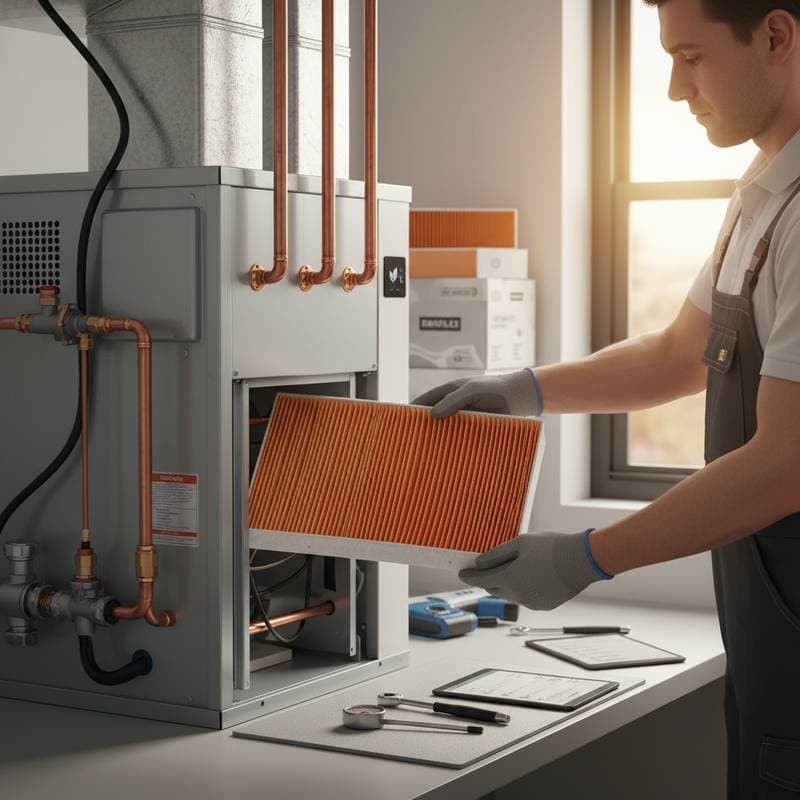
Factors Influencing HVAC Filter Costs
Several elements determine the expense of HVAC filters and their maintenance. Understanding these helps homeowners make informed choices that balance quality, longevity, and budget.
- Filter Type and MERV Rating: Minimum Efficiency Reporting Value ratings indicate particle capture ability. Higher MERV filters, such as those rated 11 to 13, trap finer dust and allergens using denser materials, which elevates upfront costs by 20 to 50 percent compared to basic options.
- Replacement Frequency: In households with pets, tobacco use, or elevated dust, filters demand monthly swaps rather than quarterly ones. This practice can increase yearly outlays by 100 to 200 dollars, depending on filter price.
- Professional Service Fees: Engaging a technician for filter installation or system inspection incurs labor charges. Typical service visits cost between 75 and 150 dollars, varying by location and complexity.
- Material Quality: Synthetic filters endure longer cycles, justifying a higher initial investment of 10 to 20 dollars per unit. In contrast, fiberglass varieties cost under 5 dollars each but necessitate more frequent replacements, potentially offsetting savings.
The optimal strategy aligns filtration effectiveness with replacement intervals and HVAC system specifications to minimize long-term expenses.
Selecting the Ideal Filter Type for Autumn
With autumn's chill prompting increased reliance on heating, air circulation shifts indoors. The right filter maintains clean air and supports heating efficiency without overburdening the system.
Consider these common types, each suited to specific needs:
- Fiberglass Filters: These provide basic protection against large debris and suit budget-conscious setups or temporary housing. They offer minimal air purification, making them less ideal for health-focused environments.
- Pleated Filters: Featuring folded media for greater surface area, they capture more dust and promote better energy use. Most home HVAC systems accommodate them seamlessly, offering a reliable middle-ground choice.
- Electrostatic Filters: Designed for washing and reuse, they attract particles through static charge. The initial purchase price ranges from 30 to 50 dollars, but longevity reduces overall costs by up to 40 percent over five years.
- HEPA Filters: These excel at trapping submicron particles, including smoke and microbes, which benefits those with allergies or respiratory concerns. Installation may require airflow adjustments to avoid strain, often necessitating professional evaluation.
- Activated Carbon Filters: Beyond particle removal, they neutralize odors from pets, cooking, or smoke. Priced 15 to 25 dollars higher than standard pleated options, they deliver dual filtration and absorption for odor-sensitive homes.
Before upgrading to a higher MERV filter, review your HVAC manual or consult a certified professional. Overly dense filters can impede airflow, leading to increased energy draw and premature component failure.
Determining the Perfect Timing for Fall Replacement
Schedule your fall filter change shortly before activating the heating system for consistent use. This timing clears summer-accumulated dust, ensuring the furnace distributes fresh air throughout your home.
Experts advise monthly inspections and replacements every one to three months, adjusted for local conditions like pollen levels or indoor activities. Signs of need include visible dirt buildup on the filter or diminished airflow from vents.
Residents in pet-heavy homes or pollen-rich areas benefit from proactive swaps every six weeks. Tools such as smart thermostats or automated reminder apps simplify adherence to a maintenance calendar, preventing oversight.
Step-by-Step Guide to Filter Replacement
Performing a filter change requires minimal tools and follows a straightforward process. These steps ensure safety and proper installation.
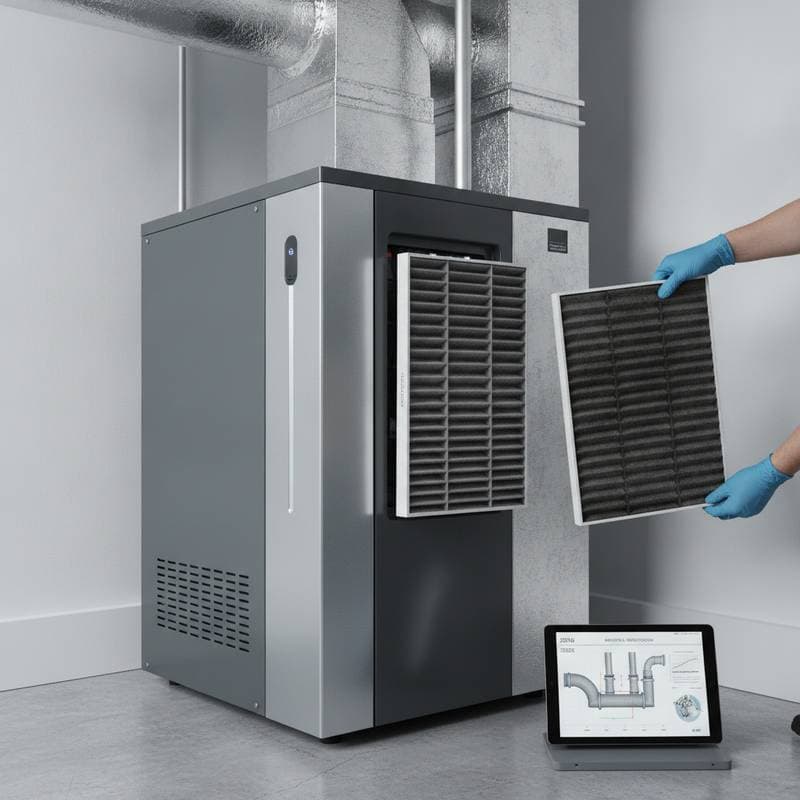
- Power Down the System: Switch off the HVAC unit at the thermostat and breaker to avoid accidental activation and debris dispersal.
- Identify the Filter Slot: Access the compartment, typically adjacent to the return air grille or within the furnace housing.
- Verify Dimensions: Note the measurements etched on the existing filter's edge, such as 16x25x1 inches, to match the replacement precisely.
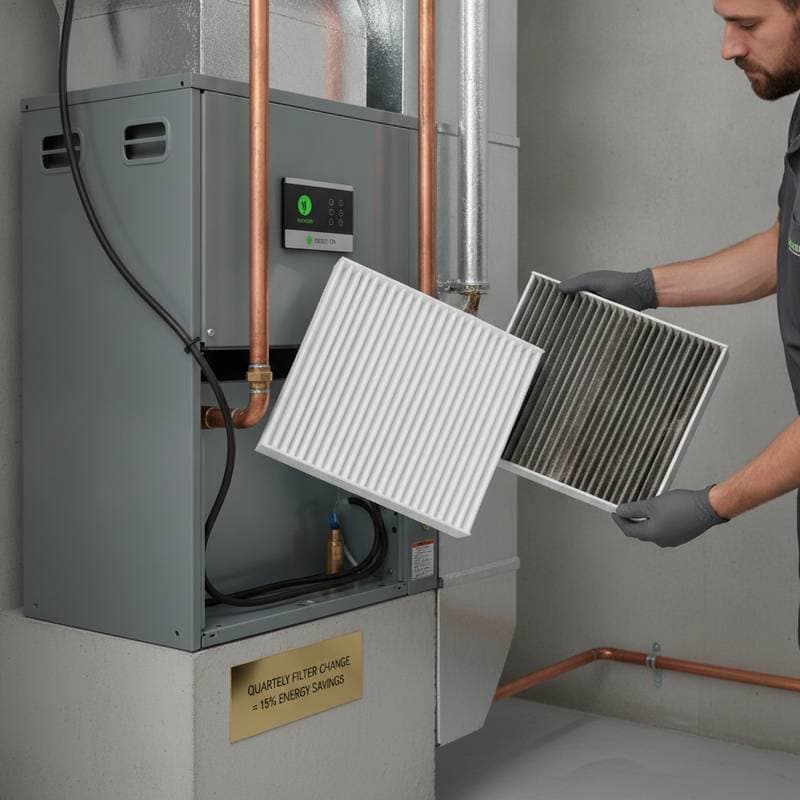
- Position the New Filter: Align the directional arrows on the frame toward the incoming airflow, usually pointing toward the furnace.
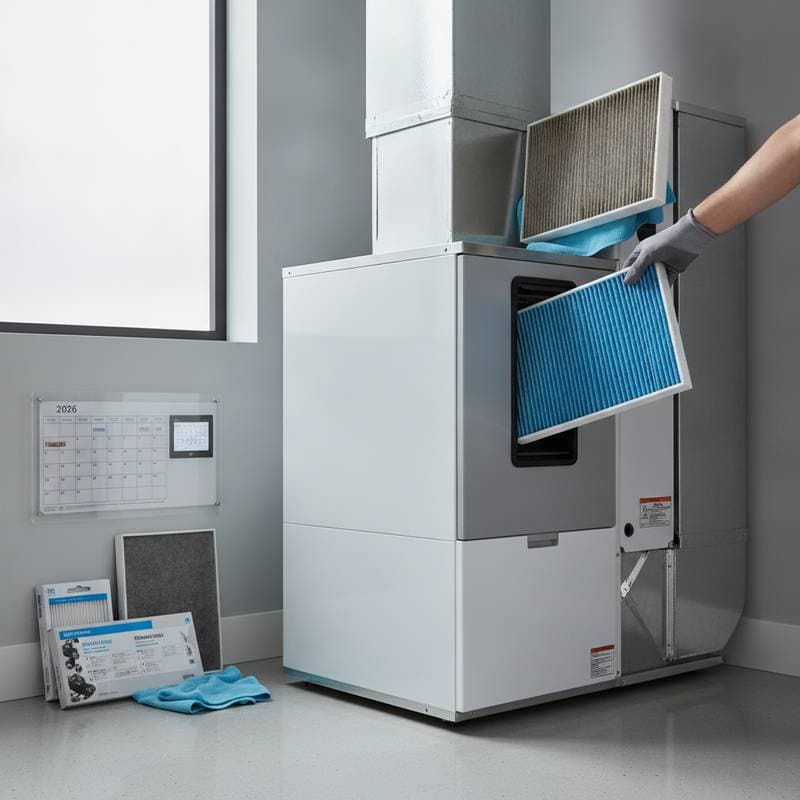
- Record the Date: Write the installation month on the filter edge with a marker for quick future reference.
Stock several filters in advance, purchasing multi-packs at discounts of 10 to 20 percent. This preparation guarantees timely changes without last-minute purchases.
Key Advantages for Energy Savings and Well-Being
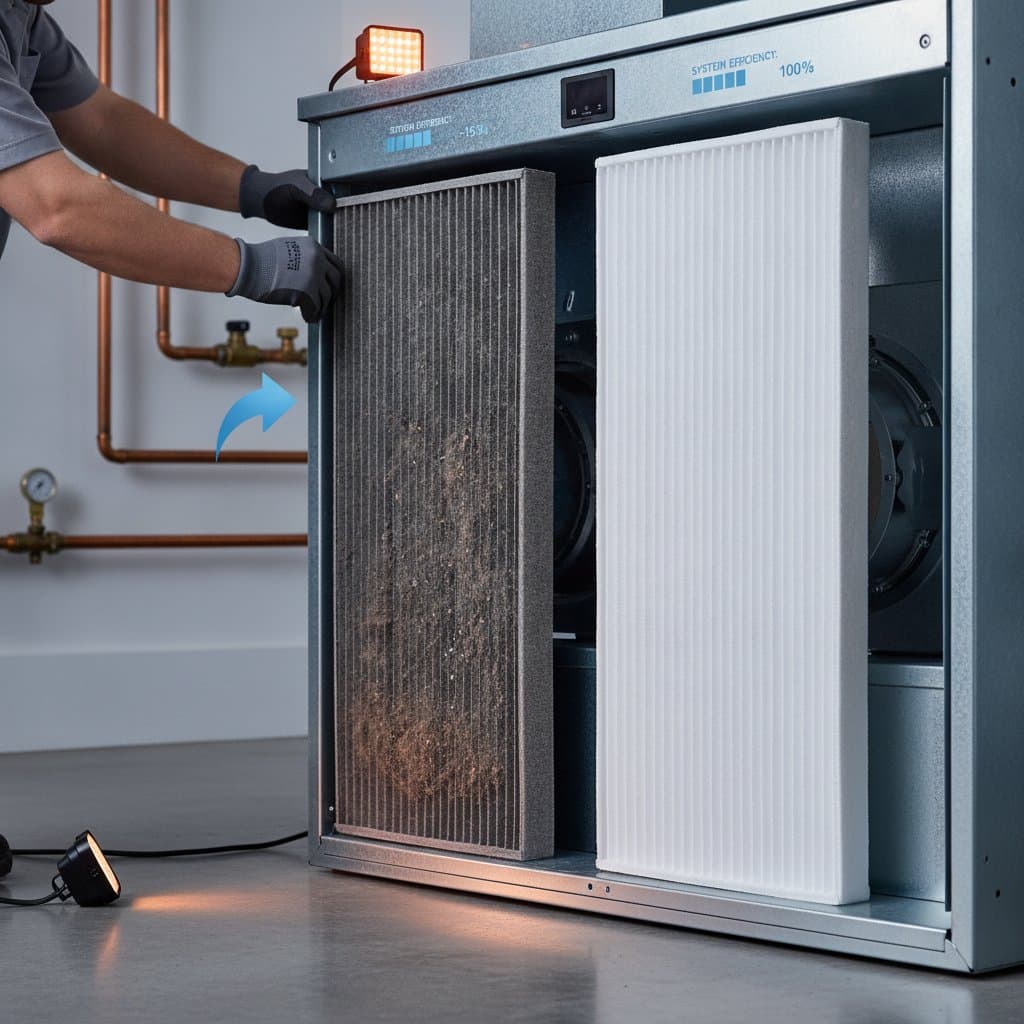
Regular filter maintenance yields tangible gains beyond cleaner air. According to energy guidelines, a fresh filter can decrease power usage by as much as 15 percent by facilitating unrestricted airflow.
Reduced resistance eases the load on the blower motor, minimizing wear and potentially adding years to the HVAC system's operational life. Homeowners report fewer repair needs and steadier temperature control as direct outcomes.
On the health front, effective filters diminish allergens, dust mites, and pet dander in circulation. Consistent upkeep correlates with reduced allergy symptoms and simpler cleaning routines, fostering a healthier living environment.
Implementing Effective Filter Maintenance
Committing to quality filters or a professional maintenance subscription represents a modest investment with substantial returns in comfort and savings. Self-managed changes empower control, while expert services provide thorough inspections.
A punctual autumn filter update safeguards your home's air, protects equipment integrity, and stabilizes utility expenses. Adopt these practices to enjoy reliable heating through the season.