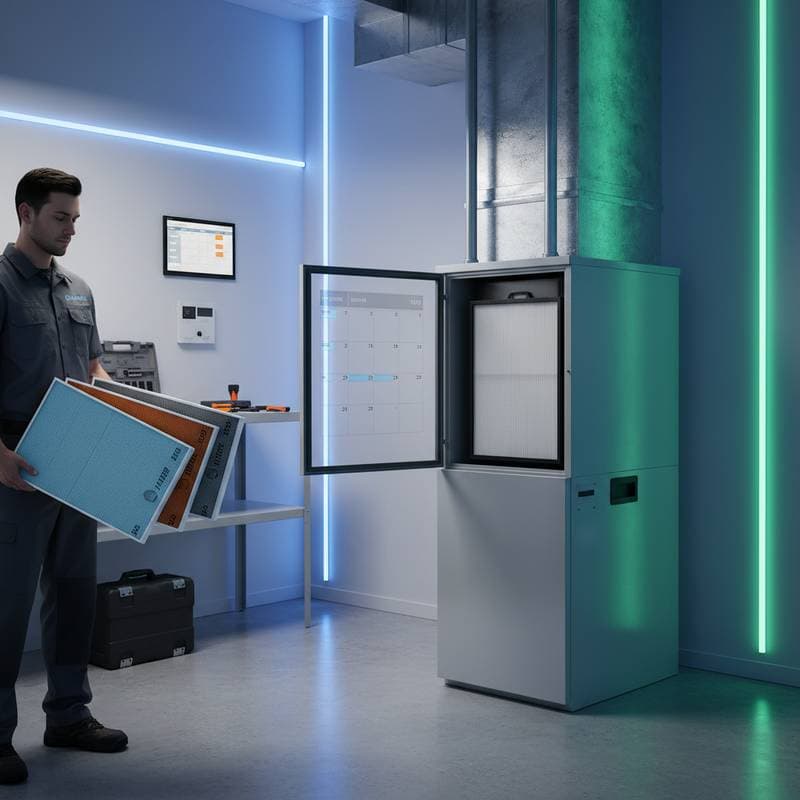
Seasonal Filter Changes Cut HVAC Repair Costs
Maintaining your home heating and cooling system ranks among the simplest methods to enhance energy efficiency, indoor air quality, and overall comfort. Many homeowners neglect a critical component: regular replacement of HVAC filters. A clean filter promotes smooth airflow, eases system strain, and prevents expensive repairs. Adopting a seasonal filter schedule simplifies upkeep and sustains optimal performance throughout the year.
This guide presents a practical seasonal replacement plan, details filter selection, and clarifies when to seek professional assistance. Whether you opt for a hands-on method or professional service, consistent filter maintenance safeguards your investment and ensures year-round comfort.
Understanding HVAC Filter Costs
Regular filter replacement proves far more economical than repairing system damage or paying elevated energy bills from clogged filters. Grasping the cost structure enables effective budgeting for maintenance.
DIY Filter Replacement Costs
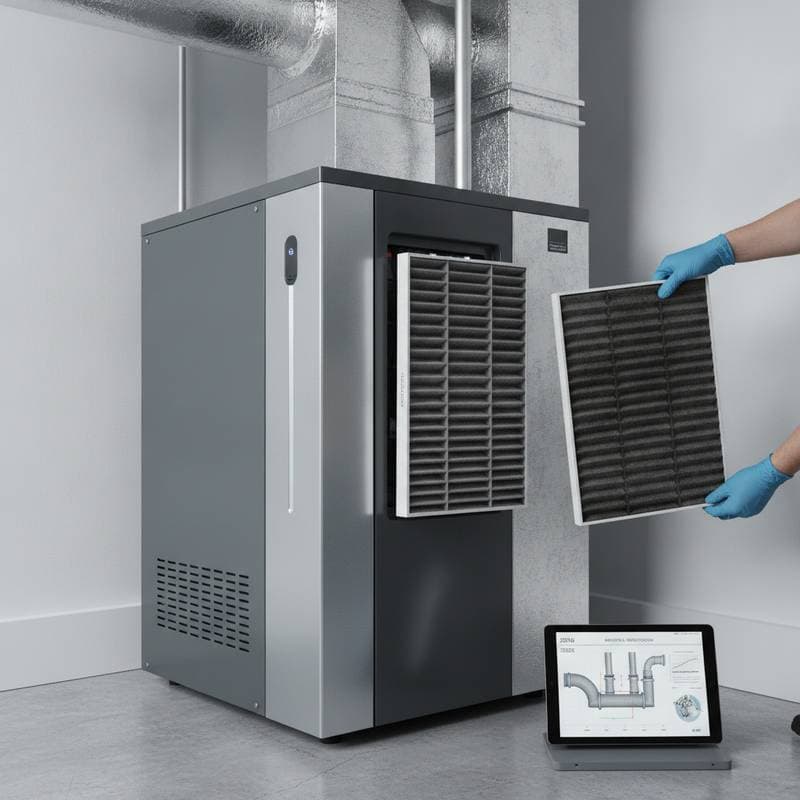
Executing filter replacement yourself offers a straightforward, budget-friendly approach. Standard filters typically cost between 10 and 40 dollars each, varying by size, material, and filtration rating. High-efficiency or specialized filters range from 50 to 100 dollars or higher. Households with pets or allergy concerns often require advanced filters to trap finer particles, placing them in the upper price category.
Key DIY expenses encompass:
- Replacement filters: costs depend on type and brand
- Basic tools: a screwdriver or ladder for units in ceilings or attics
- Time commitment: 10 to 20 minutes per session
Conducting this task quarterly results in annual expenses of 40 to 400 dollars, based on filter choices and household demands.
Professional Filter Replacement Costs
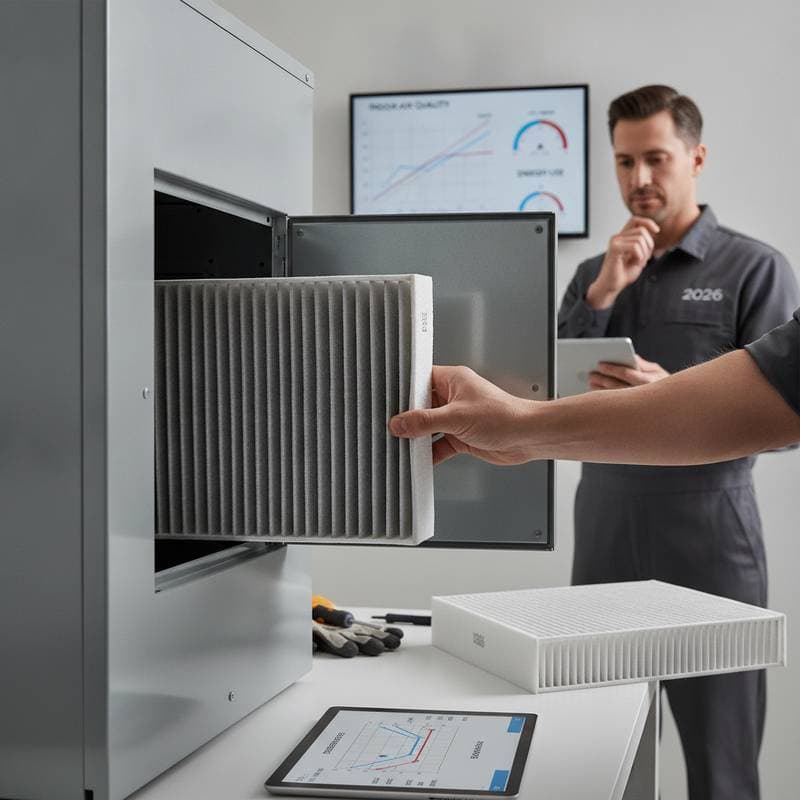
Engaging an HVAC technician provides convenience and guarantees correct installation. Service providers frequently incorporate filter changes into seasonal tune-ups or routine visits. Anticipate fees of 100 to 300 dollars per session, covering system inspection, cleaning, and performance evaluation.
Professional expenses may involve:
- Labor charges: 75 to 150 dollars per hour
- Filter pricing: comparable to DIY rates, occasionally with a modest markup
- Supplementary services: duct cleaning, thermostat adjustment, or airflow assessment
Although professional options carry higher immediate costs, they prolong system longevity and identify problems early.
Factors Affecting Pricing
Multiple elements impact filter expenses and replacement intervals:
- Home dimensions: larger setups demand bigger or additional filters
- Filter efficiency: elevated MERV ratings trap tinier particles yet demand more frequent swaps due to airflow restriction
- Pets and smoking: such environments necessitate quicker replacements
- Regional conditions: dust or humidity accelerates clogging
- Operational habits: constant or seasonal use influences clog speed
When DIY Might Save or Cost More
DIY methods yield upfront savings, yet improper installation or delayed changes can impair airflow. This leads to increased energy demands or component wear over time. Professional interventions, while pricier per visit, foster reliable upkeep that averts major repair bills.
DIY vs Professional: Making the Right Choice
Selecting between self-service and technician involvement hinges on your confidence, availability, and system familiarity. Both paths present unique benefits and challenges.
Benefits of DIY Filter Replacement
- Substantial savings: expenses limited to filter purchases
- Scheduling freedom: perform at your preferred time
- Swift execution: completes in under 20 minutes
DIY suits homeowners acquainted with their unit's position and filter specifications. It appeals to those who favor personal involvement in home care.
Drawbacks of DIY
- Installation risks: incorrect sizing or orientation hampers airflow
- Overlooked concerns: absent full inspections, minor faults persist
- Inconsistency: neglected changes diminish efficiency and air purity
Benefits of Hiring a Professional
- Assured quality: experts verify fit and setup
- Thorough evaluation: encompasses coils, ducts, and thermostat review
- Reduced worry: removes uncertainty and coordination efforts
Drawbacks of Professional Service
- Elevated expenses: repeated appointments accumulate
- Appointment logistics: alignment with provider availability
- Limited immediacy: delays possible during busy periods
Skill Level and Tools for DIY
Basic equipment suffices, including a screwdriver and flashlight. Essential knowledge involves pinpointing filter dimensions and airflow direction. Filters feature directional arrows for correct placement.
Safety and Time Considerations
Power down the HVAC system via the thermostat prior to filter removal. For elevated or confined units, secure stable access and illumination. The procedure rarely exceeds 30 minutes, accommodating most schedules.
Your Seasonal Filter Questions, Answered
Industry experts address frequent inquiries below.
How Often Should HVAC Filters Be Replaced?
Replace every three months as a baseline, adjusted for local conditions. Residences with pets, allergens, or heavy usage may require monthly updates, whereas infrequently used properties extend intervals.
What Are the Main Types of Filters?
Standard varieties include:
- Fiberglass filters: low-cost disposables for fundamental dust capture
- Pleated filters: enhanced capture and durability
- Electrostatic filters: reusable and cleanable, effective against pet dander
- HEPA filters: superior efficiency for allergen management, though potentially airflow-limiting in certain systems
How Do I Know My Filter Needs Changing?
Indicators encompass visible dirt accumulation, weakened vent flow, heightened allergy responses, or atypical system sounds. A gray or obstructed filter signals immediate replacement.
Do Filter Ratings Matter?
MERV ratings gauge effectiveness, with values of 8 to 13 fitting most residences. Superior ratings seize minuscule contaminants but may burden aging equipment.
Can I Clean Disposable Filters?
Disposable units demand replacement rather than cleaning. Washing compromises their structure and filtration capacity.
What Happens If I Forget to Replace My Filter?
Restricted airflow compels harder operation, elevating energy use and risking overheating, coil freezing, or early breakdown.
Should I Use the Same Filter Type Year-Round?
Seasonal adjustments prove beneficial. Opt for high-efficiency models in pollen-heavy spring and summer; standard types suffice for fall and winter airflow needs.
Are Washable Filters Worth It?
They minimize waste and ongoing costs if cleaned and dried routinely to avoid mold. Consistent maintenance makes them viable for diligent users.
Do Filters Affect Air Quality?
Clean filters intercept dust, pollen, and pollutants, elevating indoor air standards. This mitigates allergies and breathing discomfort.
Can Professionals Recommend the Best Filter?
Technicians assess airflow tolerances and propose options balancing capture and system demands.
What Size Filter Do I Need?
Examine the existing filter frame for inch measurements. Match exact size and depth for secure installation.
Are There Smart Filters Available?
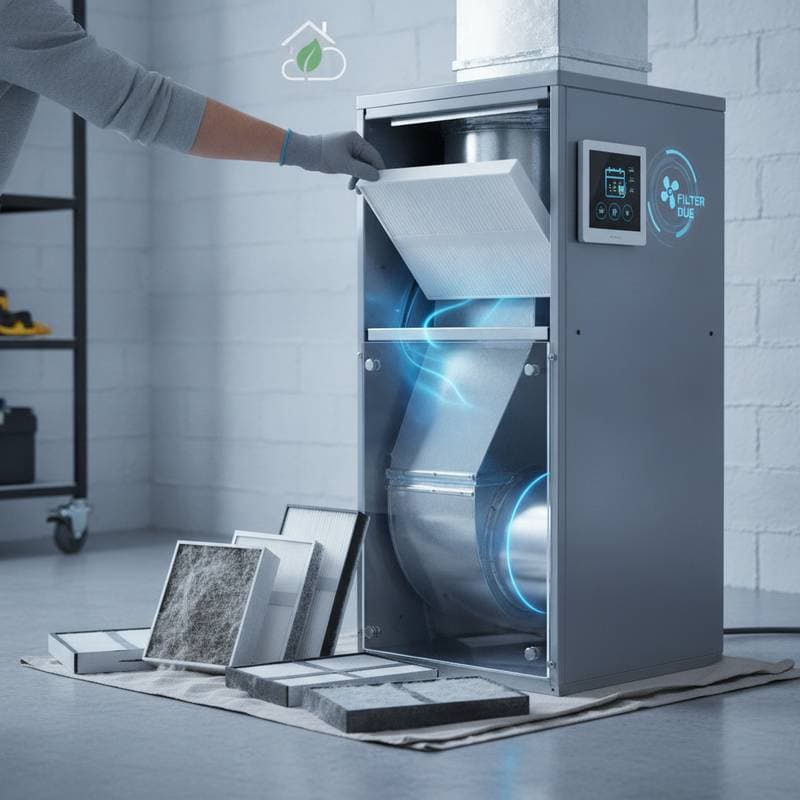
Certain models integrate sensors monitoring resistance and notifying replacement needs.
Is a Filter Change Part of Regular HVAC Maintenance?
Maintenance packages typically incorporate filter swaps alongside coil cleaning, thermostat tuning, and refrigerant verification.
How Can I Remember My Filter Schedule?
Utilize phone alerts or tie changes to seasonal milestones. A posted chart by the unit aids tracking.
How to Decide: Your Step-by-Step Guide
Step 1: Assess Your Situation
Review system runtime frequency and local air conditions. High-use homes or those with pets demand vigilant care.
Step 2: Evaluate Skills and Resources
Determine comfort in accessing and managing the unit safely. If uncertain, professional scheduling ensures reliability.
Step 3: Calculate True Costs
Factor direct outlays and indirect savings. DIY covers filters and effort; professionals add inspections for long-term gains.
Step 4: Assess Risks
Mismanaged filters erode efficiency. Expert service aligns with manufacturer guidelines.
Step 5: Make the Final Decision
Prioritize convenience and detail with a technician. Embrace savings and ease through DIY, provided regularity prevails.
Preparing for Your Seasonal Filter Project
Research and Planning
Locate your unit, note filter type, and identify suitable MERV levels. Stock extras to avoid interruptions.
Site Preparation
Deactivate power at the thermostat. Remove barriers for unobstructed access. Secure footing and light for overhead placements.
Timeline and Scheduling
Adhere to this seasonal framework:
- Spring: Swap to clear winter debris and ready for cooling
- Summer: Mid-season review amid pollen and moisture
- Fall: Update prior to heating activation
- Winter: Monthly checks for active furnace operation
| Season | Key Tasks | Estimated Cost (DIY) | Reminder Tip |
|---|---|---|---|
| Spring | Remove dust, install pollen filter | 10-50 dollars | Post-winter cleanup |
| Summer | Check for humidity clogging | 10-50 dollars | AC startup |
| Fall | Prepare for heat, standard filter | 10-50 dollars | Leaf season start |
| Winter | Inspect for frequent use | 10-50 dollars | Holiday heating |
Budgeting Tips
Allocate 100 to 500 dollars annually for filters and tools. Track expenses via a simple ledger to monitor savings from prevented repairs. Bundle purchases for discounts on bulk orders.
Professional Preparation
Contact providers for quotes and service packages. Schedule ahead of peak seasons to secure slots. Prepare questions on filter recommendations tailored to your setup.
Sustaining Year-Round System Performance
Consistent filter management not only trims repair expenses but also optimizes energy use and air purity. Integrate this routine into broader home care for enduring benefits. Your proactive steps yield a reliable, efficient HVAC system that supports comfortable living across seasons.