Understanding 2026 Dehumidifier Costs: A Guide to Home Comfort and Savings
Balanced indoor humidity supports a healthy living environment. Excess moisture promotes mold growth, unpleasant odors, and structural damage to furnishings and walls. Dehumidifiers regulate humidity levels, enhance air quality, and safeguard property. Homeowners benefit from knowing the expenses involved in acquisition, setup, and operation to select suitable options within financial limits.
This resource details the complete pricing framework for dehumidifiers. It presents national averages, various pricing approaches, and primary cost determinants. Additional elements include supplementary features, upkeep charges, and strategies for selecting service categories to optimize returns.
Dehumidifier Cost Fundamentals
National Average Pricing Benchmarks
Household dehumidifiers typically cost between 150 and 1,500 dollars nationwide, varying by capacity, manufacturer, and capabilities. Portable models for individual rooms start at the lower range, whereas whole-house units integrated with HVAC systems reach the upper limit. Data from the Home Comfort Research Group indicates that many homeowners invest approximately 350 dollars in a standard portable device suitable for small to medium areas.
Professional units for basements, crawl spaces, or expansive residences range from 1,000 to 2,500 dollars, encompassing installation and duct modifications. Models with energy-saving designs or intelligent features command a 10 to 20 percent increase, reflecting integrated sensors and remote access functions.
Regional Price Variations
Climate-driven humidity differences affect unit demand and costs. Areas along coasts or in the South experience elevated moisture, boosting the need for high-capacity devices. In such zones, setup expenses climb due to the demands of handling substantial airflow volumes.
Conversely, arid climates favor compact units with straightforward installations, resulting in reduced prices. Urban settings with elevated labor expenses raise professional installation fees by 15 to 25 percent over suburban or rural locations. Competitive retail environments in cities frequently provide discounts or combined offers.
Seasonal or Cyclical Pricing Fluctuations
Demand surges in warm, humid seasons, prompting price increases. Retailers discount units during cooler periods to move stock. Buyers who acquire devices off-season secure savings of up to 30 percent on list prices. Service firms extend installation incentives when schedules permit.
Economic Factors Influencing Service Costs
Fluctuations in material availability, transportation expenses, and efficiency regulations shape dehumidifier prices. Variations in supply chains elevate costs for essential components like compressors, filters, and interfaces. Although energy-efficient variants carry higher initial tags, they lower electricity bills by 10 to 15 dollars monthly for typical households.
Pricing Models and Structures
Hourly Rates Versus Flat Fees
Experts charge for installation or repairs via hourly wages or fixed amounts. Hourly fees span 50 to 125 dollars, based on expertise and locale. Fixed fees apply to routine tasks, such as linking units to current HVAC setups, ensuring clear cost projections without surprise additions.
Per Unit or Project-Based Pricing Models
Extensive endeavors, like incorporating dehumidification into basement sealing, follow project-specific quotes. Specialists evaluate the site, calculate required supplies, and issue a comprehensive bid covering gear and workforce. This approach streamlines financial planning for integrated renovations.
Bundle or Package Pricing Strategies
HVAC providers frequently propose packages merging dehumidifiers with purifiers or airflow enhancements. A standard package might encompass a medium-capacity dehumidifier, duct linkage, and monitoring tools for 1,200 to 1,800 dollars. Such offerings incorporate prolonged guarantees and routine checks, facilitating sustained protection and budget stability.
Subscription Versus One-Time Service Costs
Contemporary service providers introduce subscription options for upkeep, filter swaps, and oversight. Fees range from 15 to 40 dollars monthly, scaled to unit dimensions and visit intervals. These plans suit those preferring steady expenses and expert care over ad-hoc arrangements.
Service Tiers and Their Price Points
Basic or Essential Services and Associated Costs
Portable entry-level dehumidifiers suit compact areas like bedrooms or restrooms. Prices fall between 150 and 300 dollars, with no need for specialist setup. Users position and activate these devices effortlessly, achieving adequate humidity management.
Standard or Professional Service Pricing
Intermediate models feature expanded reservoirs, automatic draining, and electronic interfaces, priced at 350 to 800 dollars. Specialist placement for fixed installations adds 100 to 250 dollars. These selections deliver reliable performance with reduced ongoing efforts.
Premium or Comprehensive Service Rates
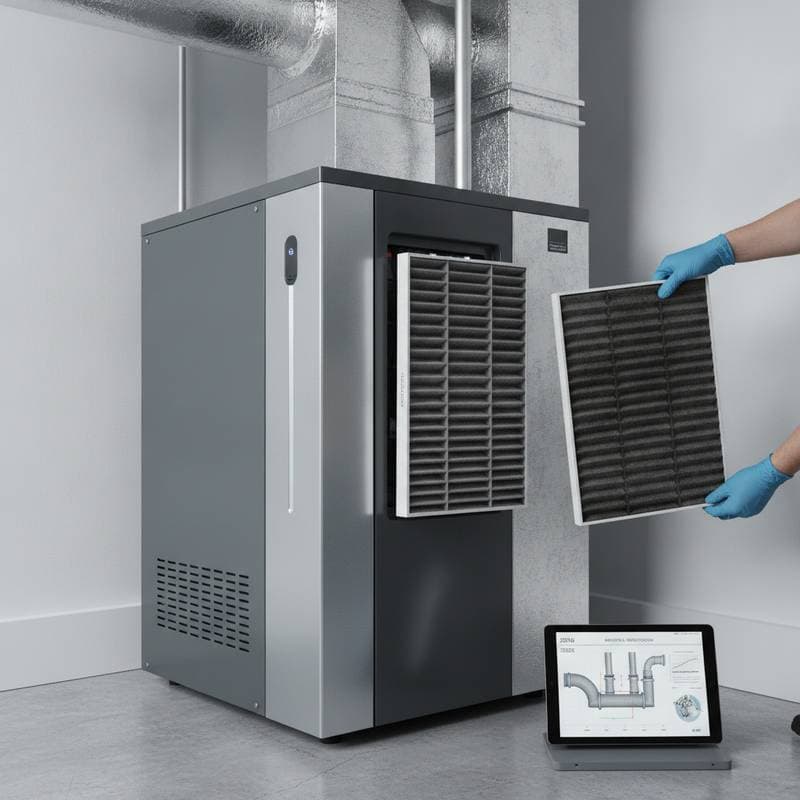
Full-home systems tied to HVAC networks cost 1,200 to 3,000 dollars, including workforce. Automated regulation spans the property, supported by intelligent detectors and app-based oversight. Such setups excel in sizable homes or moist climates.
Specialized or Bespoke Service Expenses
Heavy-duty units for basements in recovery scenarios or commercial use surpass 5,000 dollars, leveraging robust construction for nonstop function. Tailored installations with superior purification or energy recapture adjust to unique demands and component selections.
Key Variables Influencing Dehumidifier Pricing
Scope or Size of the Project
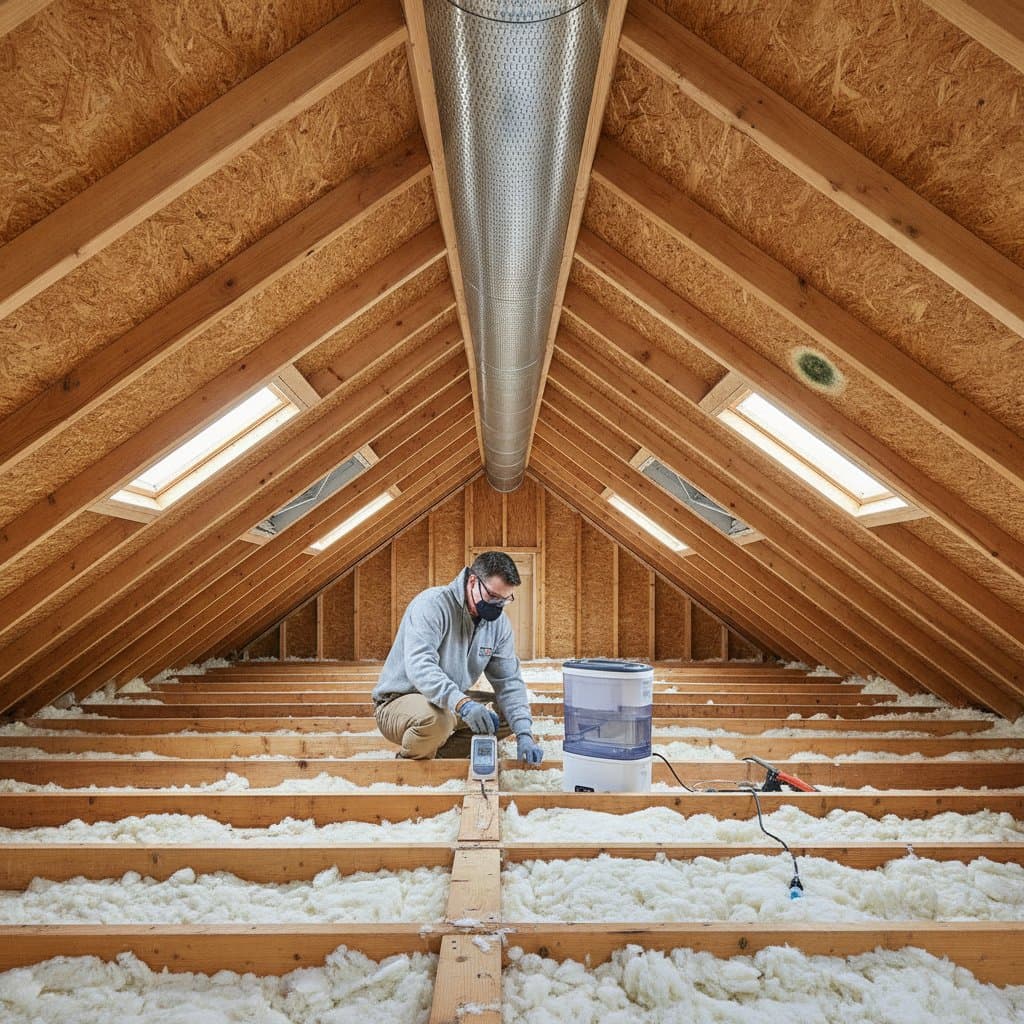
Area dimensions dictate capacity in pints removed daily. Expansive zones demand powerful units, elevating equipment and labor outlays. A modest bedroom suffices with a 20-pint device, but a basement calls for 70 pints or more.
Complexity and Required Skill Level
Whole-house integrations entail wiring, ductwork, and tuning, necessitating certified experts and higher fees. Portable alternatives demand no assistance, enabling instant deployment post-unboxing.
Time Required for Completion
Basic plug-in setups conclude in minutes, while integrated systems occupy several hours. Duration impacts billing, particularly with supplementary drainage, exhaust, or electrical modifications.
Materials or Equipment Needed
Accessories like tubing, pumps, and fixtures contribute to totals. Condensate pumps for upward water routing cost 50 to 150 dollars. Efficient designs incorporate thermal barriers in ducts, adding to supply expenses.
Add-on Services and Supplemental Charges
Humidity Monitoring and Control Fees
Wi-Fi-enabled monitors permit distant tweaks and data access. Integration expenses range from 100 to 300 dollars, varying by compatibility. Certain systems interface with smart home devices for enhanced oversight and air assessments.
Air Filtration Enhancement Costs
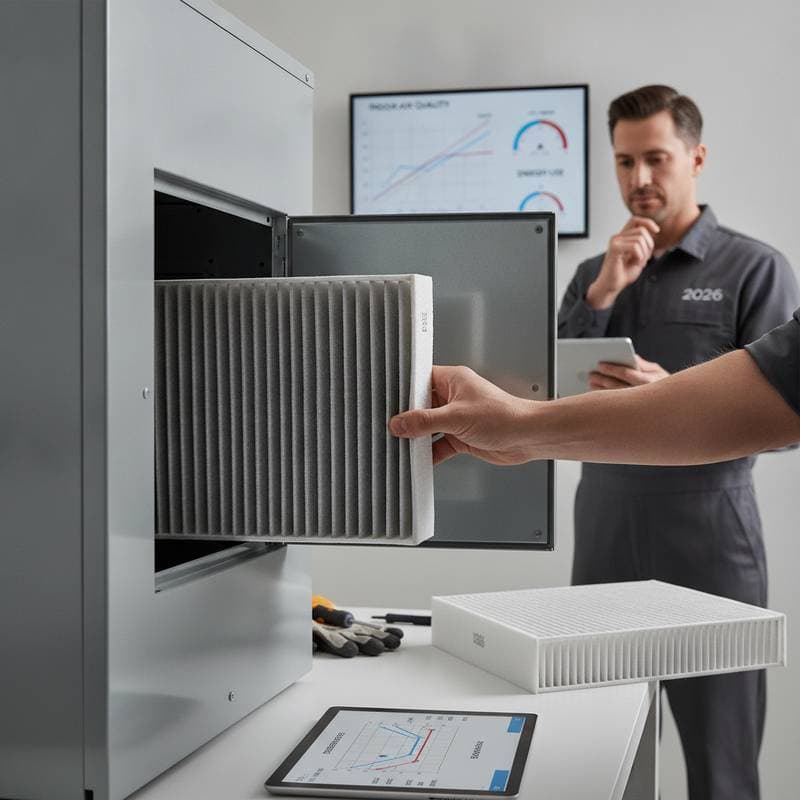
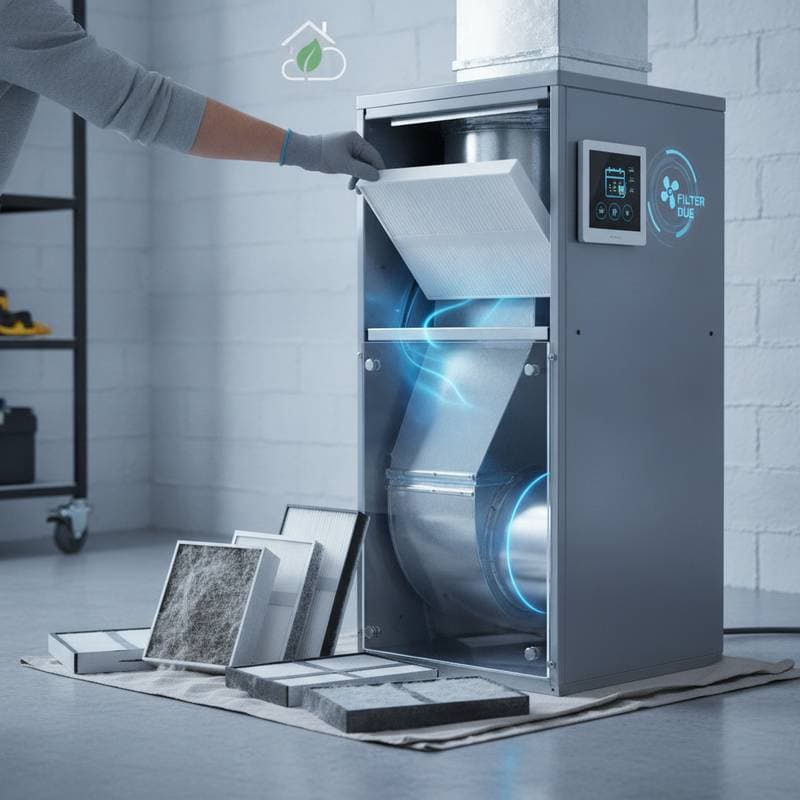
Pairing dehumidifiers with HEPA or carbon filters targets particles and scents. Dual-purpose upgrades or standalone additions raise costs by 150 to 500 dollars.
Drainage and Pump Installation Prices
Remote placements require pumps for water evacuation. Setup fees span 100 to 250 dollars, influenced by reach and power. Automated flows minimize manual intervention and overflow risks.
Expedited or Priority Service Rates
Peak times incur premiums for urgent placements or fixes. Rush fees typically amount to 50 to 100 dollars. Advance scheduling in quieter seasons circumvents these extras.
Factors that Affect Long-Term Value
Efficiency ratings determine enduring cost-effectiveness. Premium units consume 20 to 30 percent less power than basics, per the Indoor Climate Alliance. Seasonal accumulations recoup upfront investments through utility reductions.
Routine maintenance preserves output and averts microbial issues. Annual service pacts, priced at 80 to 150 dollars, prolong durability and uphold guarantees.
Extended coverage periods of three to five years mitigate repair burdens. Select brands furnish free components or reduced rates within terms, bolstering overall worth.
Comparing Quotes and Providers
Beyond base bids, assess installer credentials, protection scopes, and availability. Established firms possess HVAC or climate certifications, assuring compliance with norms.
Solicit several estimates to gauge equity and detect promotions. Verify inclusions for labor, supplies, and old unit removal. Reviews illuminate dependability and follow-up care.
Studies reveal that 70 percent of clients with certified professionals encounter fewer malfunctions in initial years. Investing modestly more in expertise yields superior outcomes over time.
Securing Humidity Control and Cost Efficiency
Homeowners achieve lasting comfort by aligning dehumidifier choices with specific needs and budgets. Evaluate capacity against space, prioritize efficiency for savings, and select tiers matching usage. Professional guidance ensures seamless integration, minimizing future expenses while enhancing indoor wellness.