Essential Steps to Prepare Your AC for Summer Comfort
A properly maintained air conditioner ensures reliable cooling during peak heat. Homeowners often delay maintenance until temperatures rise, yet proactive steps yield significant benefits. These actions minimize the risk of failures, enhance operational efficiency, and decrease energy expenses. Follow this guide to ready your system for a seamless season.
Comprehensive AC Preparation Checklist
This checklist outlines critical tasks for seasonal readiness. Many steps suit homeowner execution, while others benefit from professional expertise for thorough evaluation.
1. Examine the Outdoor Condenser Unit
The exterior condenser faces exposure to debris, foliage, and environmental elements. First, disconnect power at the circuit breaker. Clear surrounding vegetation and maintain a minimum two-foot clearance on all sides. Employ a soft brush or vacuum attachment to remove accumulated dust from the fins without bending them, as distortion impedes airflow. Inspect for signs of damage, rust, or unsecured fasteners.
Image Suggestion: Close-up view of a debris-free outdoor condenser unit, captioned "Cleared outdoor unit prepared for efficient summer operation."
2. Clean or Replace Air Filters
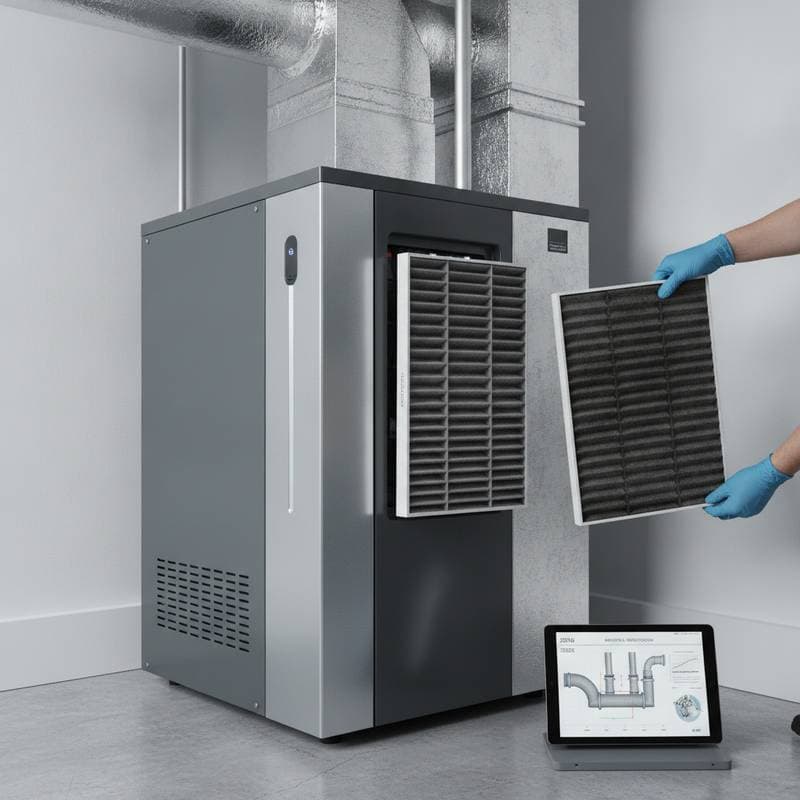
Clogged filters restrict airflow, compelling the system to operate under strain. This condition diminishes cooling effectiveness and elevates energy consumption. Replace disposable filters every one to three months in warm weather; for washable types, clean with mild soap and water, ensuring complete drying prior to reinstallation. Opt for high-MERV-rated filters to improve particle capture without excessive resistance.
Quick Tip: Set monthly calendar alerts to inspect filters during periods of intensive use.
3. Assess the Thermostat Functionality
An inaccurate thermostat leads to inefficient operation or inconsistent temperatures. Verify its level positioning, wipe away dust, and test responsiveness. For outdated manual units, upgrade to programmable or smart models that modulate settings based on occupancy, thereby conserving energy while preserving comfort levels.
Image Suggestion: Illustration of a smart thermostat display highlighting home and away temperature configurations.
4. Verify Electrical Connections
Frayed or loose wiring poses risks of electrical faults. De-energize the system before accessing panels. Scan for worn insulation, scorch marks, or corrosion. Secure any accessible connections with appropriate tools. Summon a qualified electrician for any concerning observations, as electrical problems rank among primary causes of system malfunctions.
5. Service the Evaporator and Condenser Coils
Dust and residue accumulation on coils hinders heat exchange, reducing system performance. Apply a specialized coil cleaning solution, allowing it to penetrate and dissolve buildup. For accessible areas, rinse with a garden hose at low pressure. Well-maintained coils accelerate cooling and alleviate stress on the compressor.
Image Suggestion: Comparative visuals of soiled versus pristine coils, annotated to highlight differences.
6. Clear the Condensate Drain Line
The drain line channels moisture away from the evaporator coil; blockages result in water overflow and elevated indoor humidity. Flush the line using a solution of warm water blended with vinegar or mild detergent. Introduce a diluted bleach mixture periodically to inhibit algal growth. Confirm unobstructed flow toward the designated drainage point.
7. Evaluate Ductwork and Vents
Compromised ducts squander cooled air, leading to uneven distribution. Conduct a room-by-room assessment for airflow variations or temperature disparities. Remove dust from vent covers. Engage a specialist for leak detection if inconsistencies persist; proper sealing can elevate efficiency by as much as 30 percent.
Chart Suggestion: Bar graph depicting efficiency gains pre- and post-duct sealing.
8. Run a Full System Test
After completing preparatory work, reconnect power and operate the unit for a minimum of 15 minutes. Monitor for unusual sounds like grinding or whistling. Ensure consistent cool air delivery across vents. Observe the exterior fan for steady rotation. Smooth cycling without rapid starts and stops signals optimal function.
Benefits of Professional Servicing Over DIY Efforts
Basic upkeep falls within homeowner capabilities, yet expert intervention uncovers subtle issues. Technicians deploy diagnostic tools to measure refrigerant levels, electrical loads, and air velocities. Such precision identifies impending failures in components like compressors or motors before they escalate.
Elements of a Thorough Professional Tune-Up
- Evaluation of refrigerant levels and pressure differentials
- Examination of fan assemblies and bearing integrity
- Assessment of capacitor functionality and electrical output
- Quantification of airflow with blower adjustments
- Detailing of inaccessible internal surfaces
- Validation of thermostat accuracy and operational cycles
Expert Insight: Industry data indicates that scheduled tune-ups halve the incidence of urgent repairs.
Key Safety Protocols for AC Upkeep
Systems involve high voltage, rotating mechanisms, and chemical agents, demanding vigilant precautions.
- Disconnect electrical supply at the primary breaker prior to any handling.
- Don protective gloves to navigate coil fins safely.
- Refrain from tampering with enclosed units such as compressors or refrigerant circuits.
- Utilize stable ladders for elevated access points like attics or roofs.
- Exclude children and animals from the vicinity during maintenance.
Adherence to these measures safeguards personnel and preserves equipment integrity.
Case Study: A Homeowner's Maintenance Success
One homeowner recounted on an online community forum how mid-summer discomfort and rising utility statements prompted action. Diagnosis revealed a blocked drain line and soiled coils. Post-cleaning and duct reinforcement, monthly energy consumption fell by approximately 20 percent. This account illustrates the tangible advantages of timely intervention.
Establishing Long-Term AC Care Habits
Integrate these preparations into an annual calendar to sustain performance. Track filter changes and schedule professional visits biannually. Consider energy-efficient enhancements like variable-speed units for further savings. Consistent routines extend equipment lifespan and ensure enduring summer reliability.