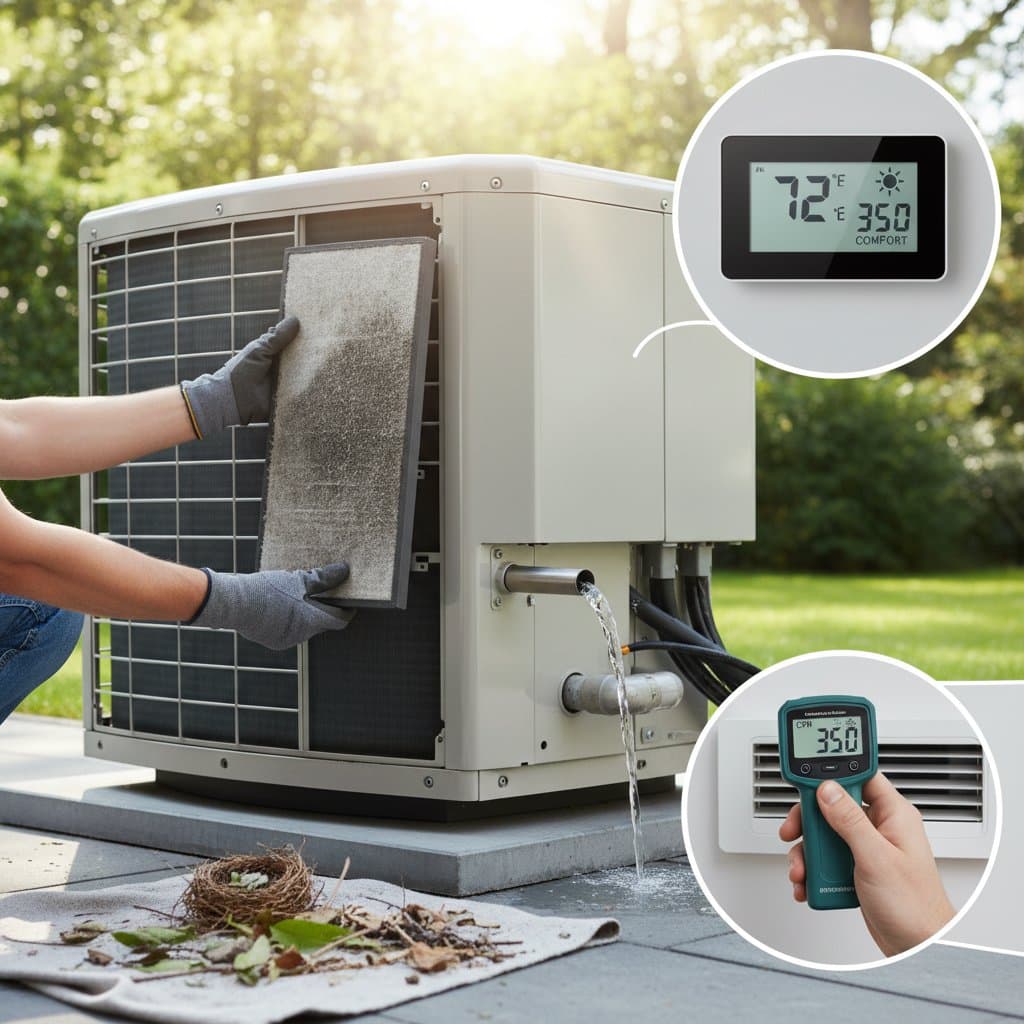
Preparing Your AC Unit for Summer Demands
Intense summer heat tests the limits of home air conditioning systems. Homeowners often activate their units after months of inactivity and encounter issues like reduced airflow or inadequate cooling. Regular maintenance addresses these challenges, enhances energy efficiency, and minimizes the risk of breakdowns that lead to substantial repair expenses. The following steps provide a structured approach to ready your system for reliable performance.
Cleaning and Replacing the Air Filter
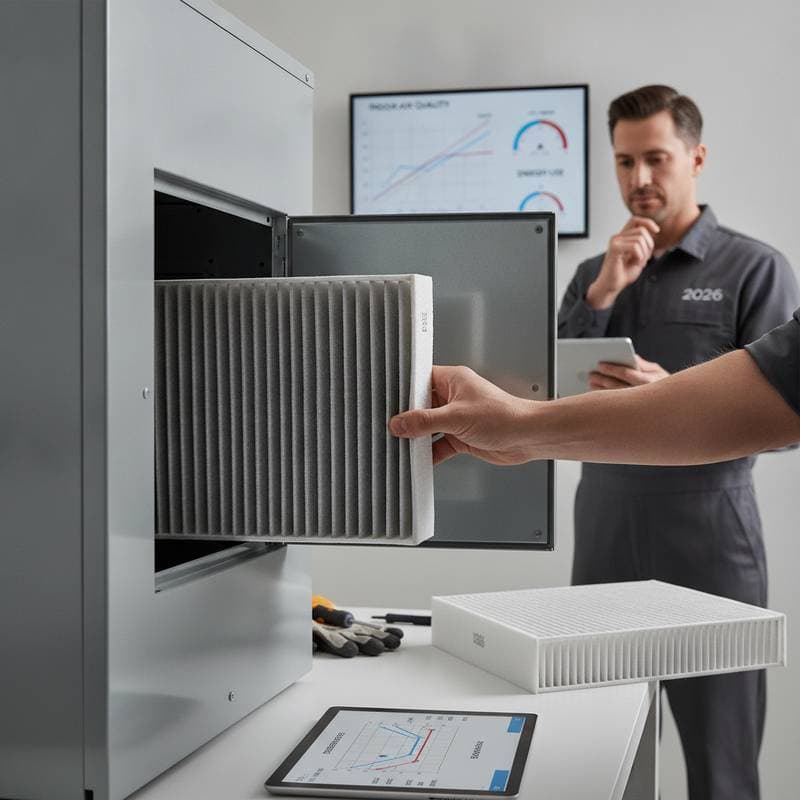
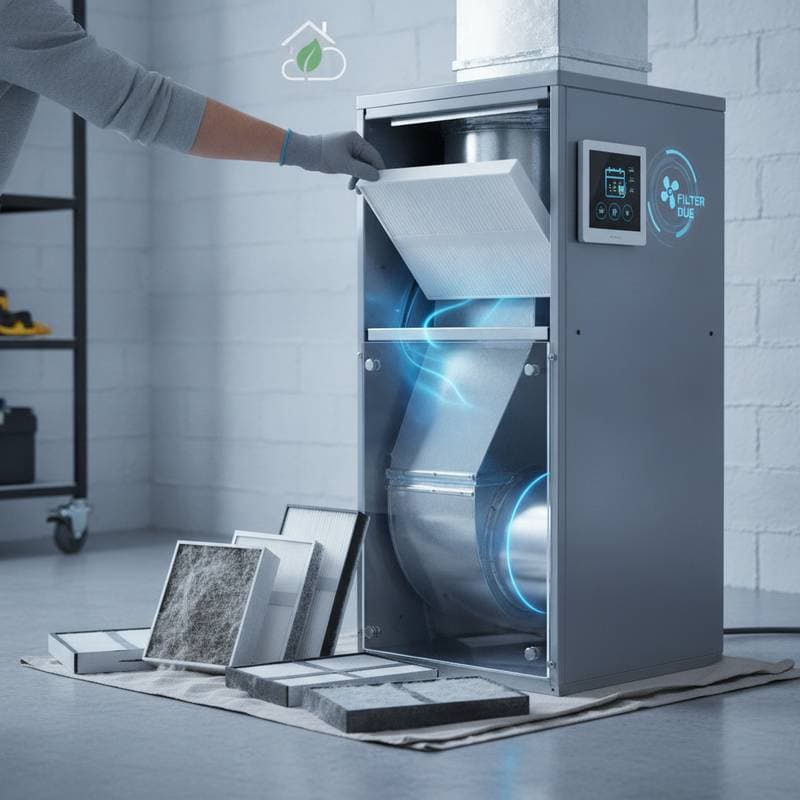
The air filter serves as the primary barrier against airborne contaminants such as dust, pollen, and pet dander. When clogged, it impedes airflow, compels the system to operate under strain, and increases energy consumption. Routine filter maintenance restores optimal function and supports indoor air quality.
- Determine the filter dimensions: Standard residential filters measure 16 by 20 inches or 20 by 25 inches and typically possess a one-inch thickness.
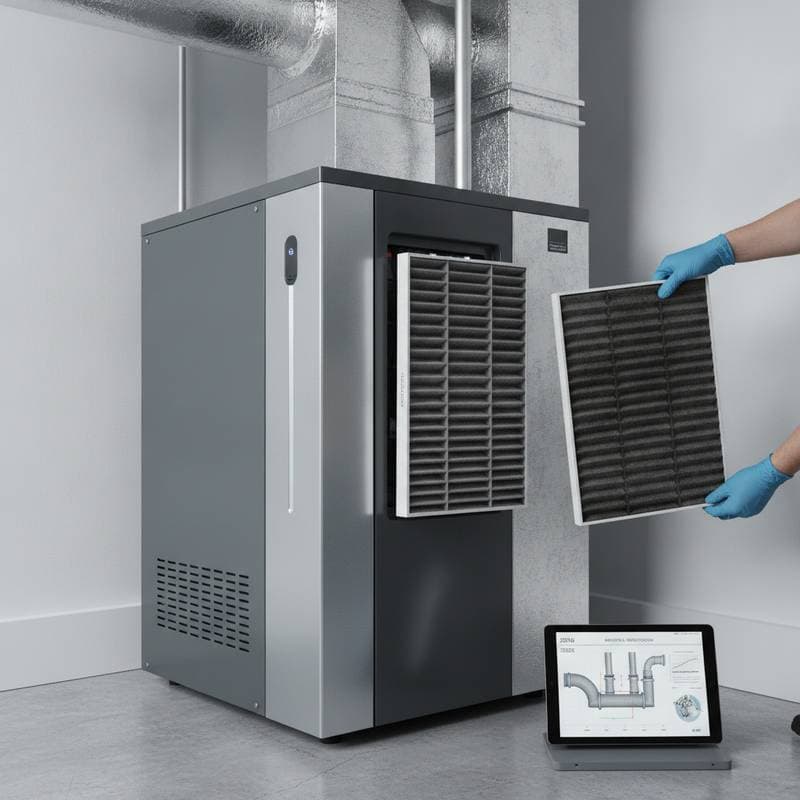
- Replace disposable types every one to three months, depending on usage and environmental factors; clean reusable filters by rinsing with water and allowing complete drying prior to reinstallation.
- Consider high-efficiency options with MERV ratings from 8 to 13, which trap finer particles while maintaining sufficient airflow to avoid overburdening the blower motor.
Installing a new filter can elevate cooling efficiency by as much as 15 percent. This task requires minimal tools and delivers immediate benefits in performance and cost savings.
Maintaining the Outdoor Condenser Unit
The outdoor condenser expels heat absorbed from the indoor environment. Accumulation of debris on the fins hinders this process, leading to overheating and reduced system longevity. Proper clearance and cleaning ensure the unit operates at peak capacity.
- Disconnect power at the unit's service panel to eliminate electrical hazards.
- Clear vegetation, leaves, and dirt from the surrounding area, maintaining a minimum 24-inch clearance on all sides for adequate ventilation.
- Brush away surface buildup on the fins using a soft-bristle tool or a vacuum equipped with a brush attachment.
- Repair any bent fins with a specialized fin comb or the flat edge of a screwdriver, taking care to avoid further damage.
- Rinse the coils with a garden hose at low pressure, directing water from the interior toward the exterior to flush out residues.
High-pressure equipment risks bending delicate fins, so opt for gentle methods. After cleaning, inspect the unit's base for level positioning, which prevents vibration and wear over time.
Clearing the Condensate Drain Line
As the system cools air, moisture condenses and drains away through a PVC pipe connected to the indoor evaporator coil. Blockages from algae, sludge, or debris can result in overflows, water damage, and system shutdowns. Preventive cleaning keeps drainage unobstructed.
Locate the drain line access point near the indoor unit. Introduce one cup of distilled white vinegar into the line to dissolve organic buildup, or apply a diluted solution of equal parts bleach and water for disinfection. Allow the mixture to sit for 15 to 30 minutes before flushing with water. If flow remains restricted, attach a wet-dry vacuum to the exterior drain outlet and suction out obstructions until water drains freely.
Test the drain by running the system and observing for leaks. In humid climates, consider installing a drain pan treatment tablet to inhibit future algae growth.
Evaluating the Thermostat and Electrical Components
The thermostat regulates system operation, so verify its settings and responsiveness in cooling mode. Older models may benefit from replacement with programmable or smart versions that adjust temperatures automatically for energy conservation. Examine accessible wiring for signs of wear, such as frayed insulation or loose terminals.
During startup, listen for irregular sounds like buzzing or rattling, which indicate potential electrical faults. If corrosion appears on connections, tighten them gently or seek professional assistance. Upgrading to a smart thermostat often integrates with home automation systems, providing remote monitoring and alerts for irregularities.
Assessing Indoor Airflow Distribution
Even cooling depends on balanced airflow throughout the home. Obstructions at vents or returns disrupt this balance, causing hot spots and inefficient operation. A quick walkthrough reveals areas needing attention.
Feel the air output at each supply vent; it should deliver steady, cool streams without significant variations. Ensure furniture or rugs do not block vents, maintaining at least six inches of open space. Clean dust from registers and return grilles using a vacuum with a narrow attachment to preserve circulation.
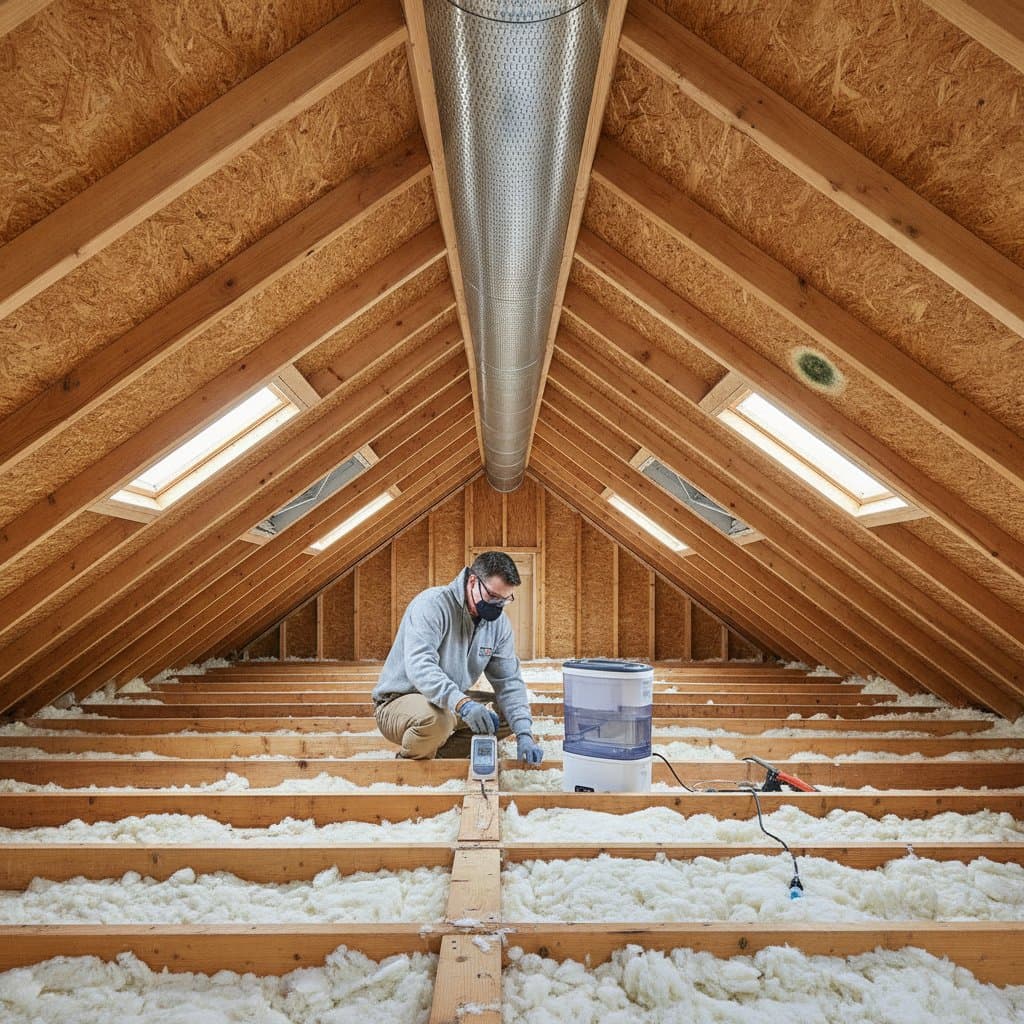
Persistent uneven temperatures may stem from duct leaks or imbalances, warranting a professional assessment with tools like anemometers for precise measurements. Sealing ducts with mastic or foil tape can recover up to 20 percent of lost efficiency.
Pitfalls in AC Maintenance to Sidestep
Overlooking minor symptoms, such as frequent on-off cycling or musty smells, allows problems to escalate into major failures. Neglecting yearly professional inspections misses opportunities to recharge refrigerant or deep-clean coils, which extend equipment life.
Setting temperatures below 78 degrees Fahrenheit prolongs runtime without accelerating cooling, spiking utility bills. Additionally, unsecured insulation on refrigerant lines permits heat gain, reducing overall system effectiveness. Addressing these errors proactively safeguards performance.
Indicators for Professional Intervention
DIY efforts cover basic upkeep, but tasks involving refrigerant, advanced diagnostics, or electrical repairs demand certified expertise. Schedule a tune-up if the system exhibits persistent issues like inconsistent cooling or elevated noise levels. Professional services typically range from 75 to 200 dollars and include comprehensive checks that prevent emergencies.
Technicians use specialized gauges and tools to verify refrigerant levels and system pressures. Early detection through such visits averts compressor failures, which can cost thousands to repair.
Sustaining AC Performance Season-Long
With initial maintenance complete, monitor ongoing operation through regular filter changes and debris removal around the outdoor unit. Track energy usage patterns; sudden increases signal underlying issues requiring attention. A mid-summer professional check ensures continued reliability amid peak demands.
These habits not only extend the lifespan of your AC but also foster a healthier indoor environment. Consistent care translates to uninterrupted comfort and predictable expenses throughout the warm months.