Timing and Types: Essential HVAC Filter Strategies for Fall
Effective maintenance of HVAC filters ensures clean air circulation, minimizes energy consumption, and prolongs equipment longevity. Homeowners frequently underestimate the influence of replacement timing and filter selection on overall system performance. As fall introduces cooler temperatures and increased indoor occupancy, it serves as an ideal period to establish a refreshed maintenance routine and select superior filter materials. Strategic decisions implemented now enhance occupant comfort, safeguard the HVAC unit, and decrease utility expenses for the ensuing months.
Decoding Filter Ratings and Varieties
HVAC filters vary significantly in their capacity to capture airborne contaminants. The key metric, known as the MERV rating or Minimum Efficiency Reporting Value, quantifies filtration efficiency. Higher MERV values indicate superior capture of minuscule particles, yet excessive restriction of airflow may occur if the rating exceeds system capabilities.
Consider these prevalent choices for residential applications:
-
Fiberglass Filters
These economical, flat panels primarily intercept larger debris such as pet hair and coarse dust. They suit basic setups where advanced allergen control proves unnecessary, though they permit finer pollutants to circulate freely. -
Pleated Filters
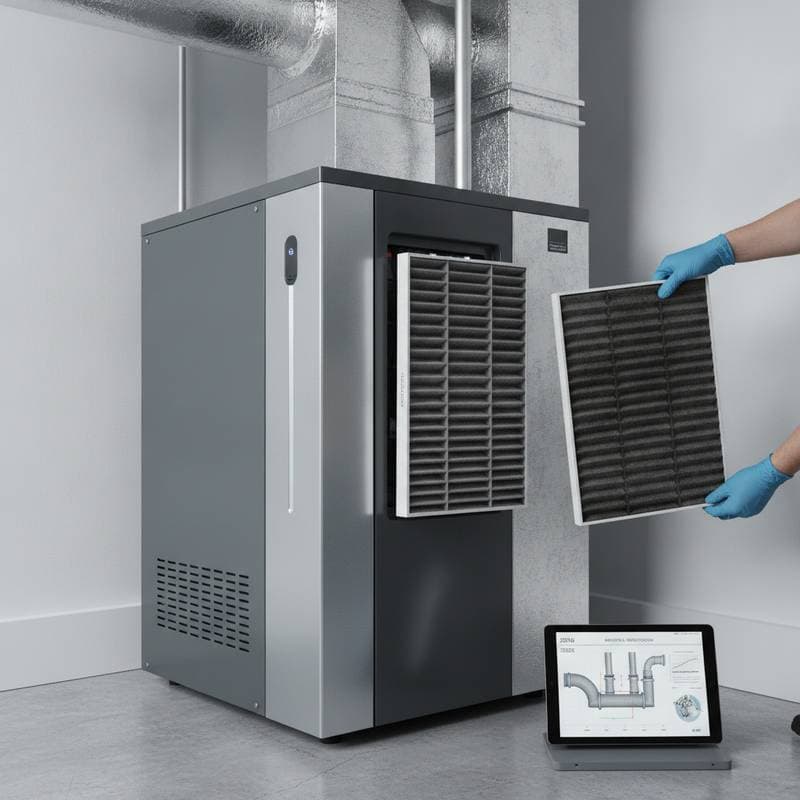
Constructed from accordion-folded synthetic fabrics like polyester, these designs maximize surface area for enhanced particle trapping. They deliver a favorable equilibrium between airflow preservation and filtration efficacy, rendering them suitable for the majority of household systems. -
Electrostatic Filters
Employing an electrostatic charge, these attract and hold particles beyond mechanical capture alone. Reusable variants offer long-term cost benefits when cleaned monthly via gentle rinsing and air drying, though initial performance demands consistent upkeep. -
HEPA Filters
Representing High-Efficiency Particulate Air technology, these capture nearly 99.97 percent of particles as small as 0.3 microns. They excel in environments prone to allergies or asthma but often necessitate professional system modifications to accommodate their dense resistance.
Selection of the appropriate filter hinges on factors including HVAC specifications, household dimensions, and specific air purity requirements. Consult the equipment manual or a certified technician prior to upgrading to avoid compatibility issues.
Indicators That Demand Immediate Filter Replacement
Observable symptoms reveal a filter approaching the end of its service life. Remain vigilant for these signals:
- Diminished airflow emanating from supply vents, often manifesting as weaker breezes.
- Accelerated accumulation of dust on furniture, shelves, and horizontal surfaces.
- Anomalous sounds from the unit, such as rattling or humming beyond normal operation.
- Escalating monthly energy statements without changes in usage patterns.
- Intensified allergic reactions or respiratory discomfort within the home.
Upon detection of any such indicator, proceed with replacement promptly, regardless of the scheduled interval. Procrastination exacerbates system strain, accelerates component wear, and elevates the risk of premature failure.
Professional Recommendations for Superior Air Quality
Service professionals from established networks advocate these straightforward practices to elevate air purity and operational efficiency:
-
Employ a vacuum with a brush attachment to clean return air registers monthly, mitigating dust ingress.
-
Maintain closed interior doors and sealed windows during system activation to limit external pollutant entry.
-
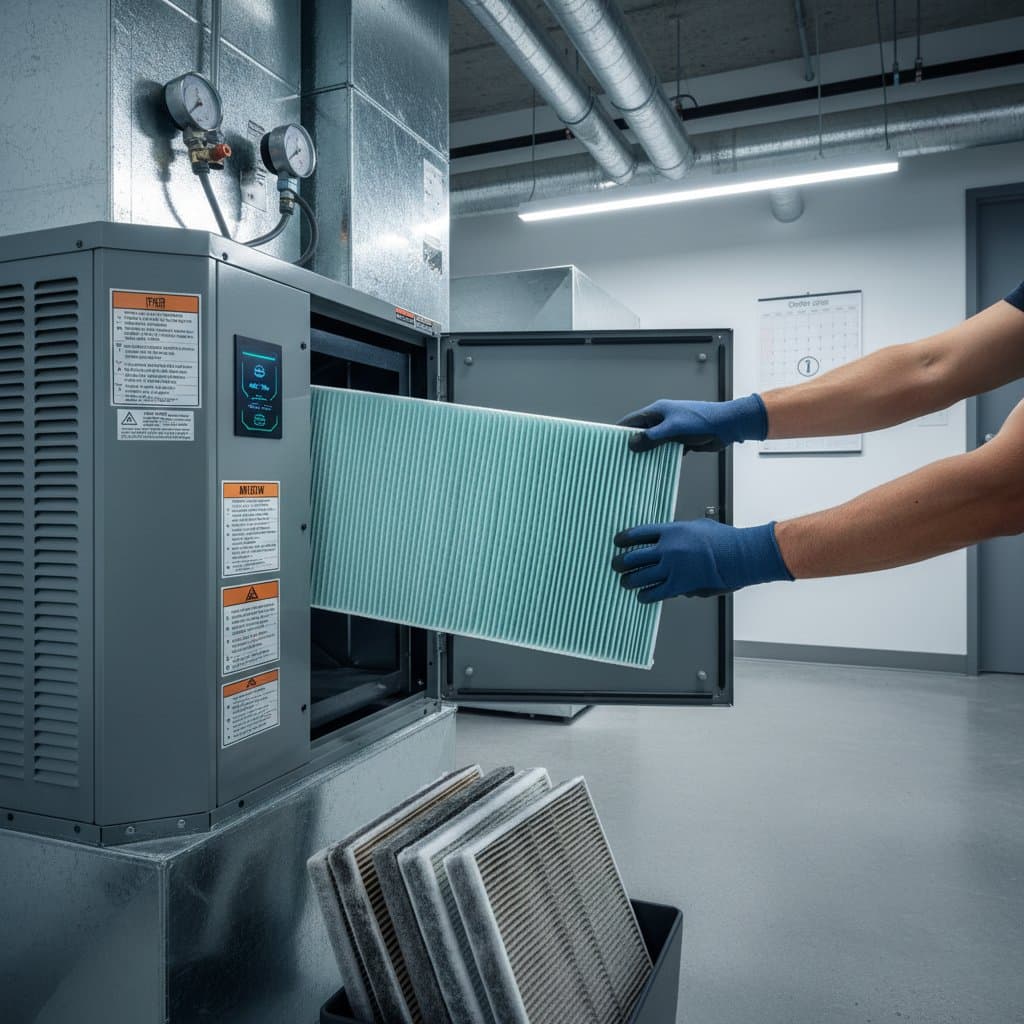
Perform filter swaps in anticipation of peak occupancy periods, such as family holidays, to optimize circulation.
-
Arrange annual comprehensive inspections encompassing duct cleaning, coil assessments, and safety verifications.
-
Integrate a smart thermostat equipped with filter-life monitoring and automated alert notifications for timely adherence.
Adopting these routines transforms upkeep into a seamless process, forestalling expensive repairs and ensuring consistent performance.
Frequently Asked Queries on HVAC Filter Upkeep
Do reusable filters deliver genuine cost savings?
Reusable options prove economical when subjected to routine cleaning cycles. They endure multiple years of service yet diminish in effectiveness without diligent maintenance.
Is it advisable to install a MERV rating higher than the manufacturer's suggestion?
Proceed only after verifying system tolerances. Excessive resistance risks motor overheating or undue stress on the blower assembly.
What consequences arise from delaying filter changes over several months?
Accumulated debris obstructs evaporator and condenser coils, impairs thermal exchange, and precipitates accelerated deterioration of vital components.
Does filter replacement necessitate professional assistance?
The task remains accessible for most homeowners using basic tools and following instructional diagrams. Engage experts for upgrades involving filtration enhancements or supplementary purification devices.
Sustaining Optimal Indoor Environments Year-Round
Investing effort in fall filter management establishes a foundation for sustained HVAC reliability and household well-being. By aligning replacements with seasonal shifts, homeowners realize tangible reductions in operational costs alongside fortified defenses against airborne irritants. Regular adherence to these protocols not only preserves system integrity but also cultivates a healthier living space, minimizing disruptions and maximizing enjoyment through the colder months. For persistent concerns, professional consultation ensures tailored solutions that align with individual home dynamics.