Save Energy: When to Change HVAC Filters in Fall
The transition from summer cooling to fall heating presents an ideal opportunity to inspect your HVAC filter. A clean filter ensures efficient operation, reduces energy consumption, and maintains fresh indoor air. Homeowners often neglect this maintenance, which affects both comfort levels and expenses. Understanding the timing and process for fall replacements safeguards your equipment and finances.
Why Filter Changes Matter for Energy Savings
HVAC filters capture dust, pollen, and other airborne particles. As the filter becomes clogged, it restricts airflow, forcing the system to labor more intensely during heating. Research from energy efficiency organizations indicates that such blockages can elevate energy usage by over 15 percent. Regular replacements promote smooth performance and consistent air purity.
Beyond efficiency, a clean filter eases the load on the blower motor. Unrestricted airflow minimizes mechanical stress, which in turn reduces the need for repairs and extends the unit's operational life. This routine practice accumulates substantial savings on service calls over the years.
Signs You Should Replace Your HVAC Filter
Home conditions vary, yet certain indicators signal the need for a filter swap:
- Reduced airflow from vents, despite the system running at full capacity.
- Visible dust accumulation on surfaces near vents or throughout the home, indicating particles passing through.
- Unexpected spikes in utility bills without changes in usage patterns.
- Worsening allergy or respiratory issues among residents.
- Extended run times for the heater to achieve the set temperature.
Address these prompts immediately to avoid further complications, rather than adhering strictly to a calendar schedule.
How Often to Change Filters in the Fall
Standard recommendation calls for filter changes every one to three months in typical households. Frequency adjusts based on factors like pet presence, smoking indoors, or heavy foot traffic. In arid or dusty regions, monthly inspections become essential.
Fall introduces unique challenges as the system shifts modes, accumulating summer residues while managing new heating demands. Install a new filter at the season's start, then inspect monthly by removing it and viewing against a light source. If light fails to penetrate the material evenly, proceed with replacement.
Choosing the Right Filter for Energy Efficiency
Filters vary by design, each offering distinct advantages in filtration and flow. The optimal choice balances expense, air quality, and system compatibility.
- Fiberglass filters provide basic protection at a low price point and require frequent disposal, yet they capture only larger debris.
- Pleated filters excel at trapping fine dust and allergens, offering extended use and enhanced purification without excessive airflow resistance.
- High-efficiency filters, featuring elevated MERV ratings, seize microscopic contaminants such as bacteria and mold, ideal for sensitive households, though they demand verification for compatibility with aging equipment.
Consult your HVAC manual or a certified technician to determine the suitable MERV level. An overly restrictive filter can counteract benefits by straining the system and diminishing overall efficiency.
Step-by-Step Guide for Safe Filter Replacement
Filter replacement involves straightforward steps, but prioritize safety to prevent mishaps.
- Power down the HVAC unit via the thermostat.
- Locate the filter slot, typically adjacent to the return air duct or within the furnace assembly.
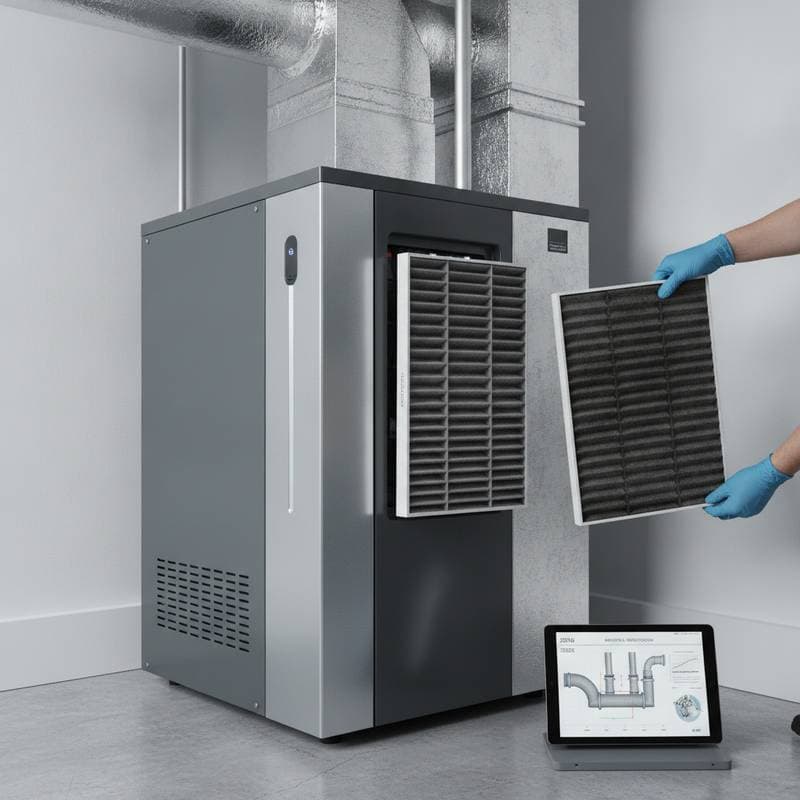
- Gently extract the used filter to minimize dust dispersal.
- Note the dimensions marked on the frame and select a matching replacement.
- Position the new filter so airflow arrows direct toward the blower fan.
- Secure the access panel and restore power to the system.
Seal the discarded filter in a bag before disposal, and clean your hands thoroughly afterward.
Suggested image: A homeowner replacing a pleated HVAC filter, labeled “Replacing HVAC Filter for Fall Efficiency.”
Cost Comparison and Energy Impact
Entry-level filters cost mere dollars, whereas advanced models command a premium yet deliver greater returns through reduced consumption. Consider this comparison to inform your selection:
| Filter Type | Average Cost | Replacement Frequency | Energy Savings |
|---|---|---|---|
| Fiberglass | Low | Monthly | Low |
| Pleated | Moderate | Every 2 months | Medium |
| High-efficiency | Higher | Every 3 months | High |
This overview assists in aligning choices with financial and wellness priorities.
Common Questions About Fall Filter Maintenance
Does weather affect when I change my filter?
Fall conditions, including falling leaves and stirred outdoor dust, accelerate clogging. Homes proximate to foliage or active construction sites face heightened debris influx, necessitating closer monitoring.
Can I clean and reuse my filter?
Reusable variants exist for specific models, but disposable types demand replacement to preserve integrity. Attempting to wash disposables often compromises their structure and filtration capacity.
Should I hire a professional to check filters?
Self-replacement suits most scenarios, yet annual professional evaluations confirm system equilibrium and uncover related issues.
Keeping Your HVAC System Running Smoothly
Develop a structured fall routine to foster reliability. Integrate filter checks with thermostat calibration, vent dusting, and exterior unit clearing. Schedule reminders via calendar alerts to sustain momentum.
Suggested chart: Seasonal HVAC maintenance checklist with steps for fall, labeled “Fall HVAC Care Routine.”
Long-Term Benefits of Regular Filter Changes
Consistent filter maintenance yields enduring advantages, from curtailed energy expenditures to superior indoor environments. Homeowners who prioritize this habit report fewer system failures and enhanced seasonal comfort. Invest time now to reap sustained rewards in efficiency and peace of mind.