Enhancing Indoor Air Quality with 2026 MERV Filter Upgrades
Homeowners increasingly recognize the importance of indoor air quality, given the significant time spent indoors. Upgrading HVAC filters to higher MERV ratings offers an effective and cost-efficient solution. MERV, which stands for Minimum Efficiency Reporting Value, quantifies a filter's ability to capture airborne particles ranging from dust to microbes.
Evolving HVAC standards and innovative filter technologies empower informed decisions. These advancements enhance comfort, promote health, and optimize energy use. This guide details MERV ratings, selection criteria for your system, and implications of the 2026 upgrades that will transform HVAC performance.
The Significance of 2026 in Filter Standards Evolution
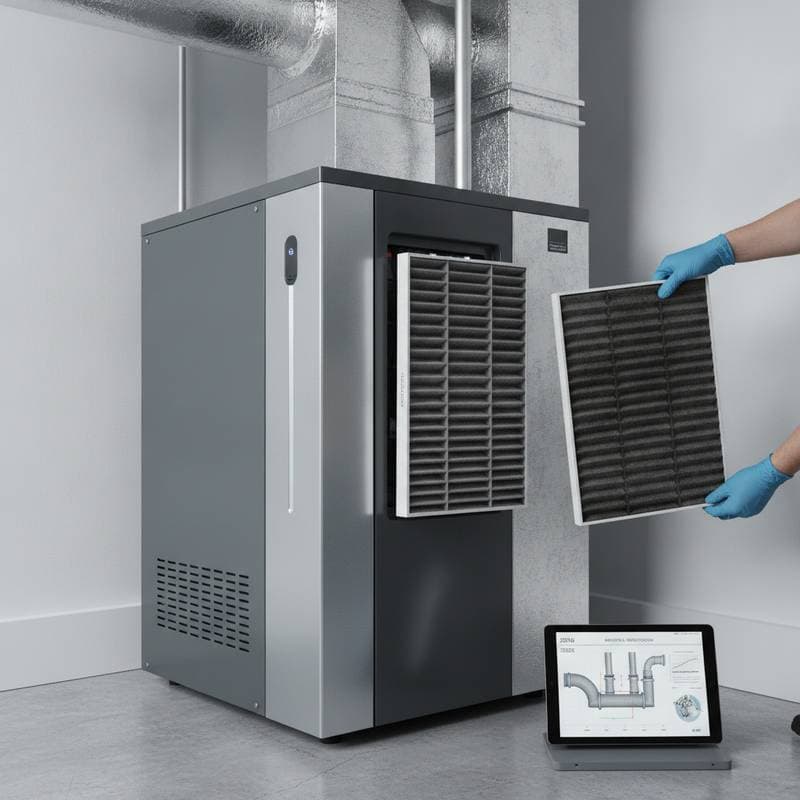
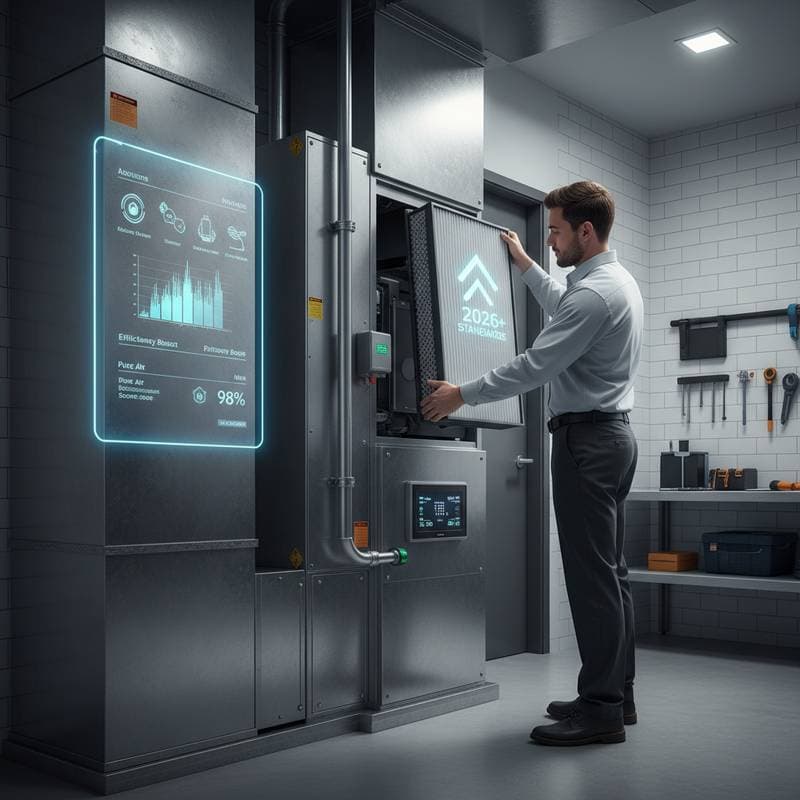
The HVAC sector advances filter materials to align with health, environmental, and energy objectives. Innovations include synthetic fibers for superior particle capture, electrostatic enhancements for better adhesion, and reinforced frames that sustain airflow. By 2026, residential and light commercial HVAC systems will accommodate MERV 13 or higher filters with negligible effects on overall performance.
This progression stems from stricter air quality regulations and heightened consumer emphasis on wellness. Expect filters with extended service life, stable airflow maintenance, and comprehensive contaminant removal. Adopting MERV 13 and beyond advances both daily comfort and long-term safety.
Balancing Costs and System Efficiency
Filter upgrades influence initial expenses and long-term system operation. Standard MERV 8 filters typically cost between 10 and 20 dollars, whereas MERV 13 options range from 30 to 70 dollars based on dimensions and composition. High-efficiency models can eliminate up to 90 percent more airborne particles than basic variants.
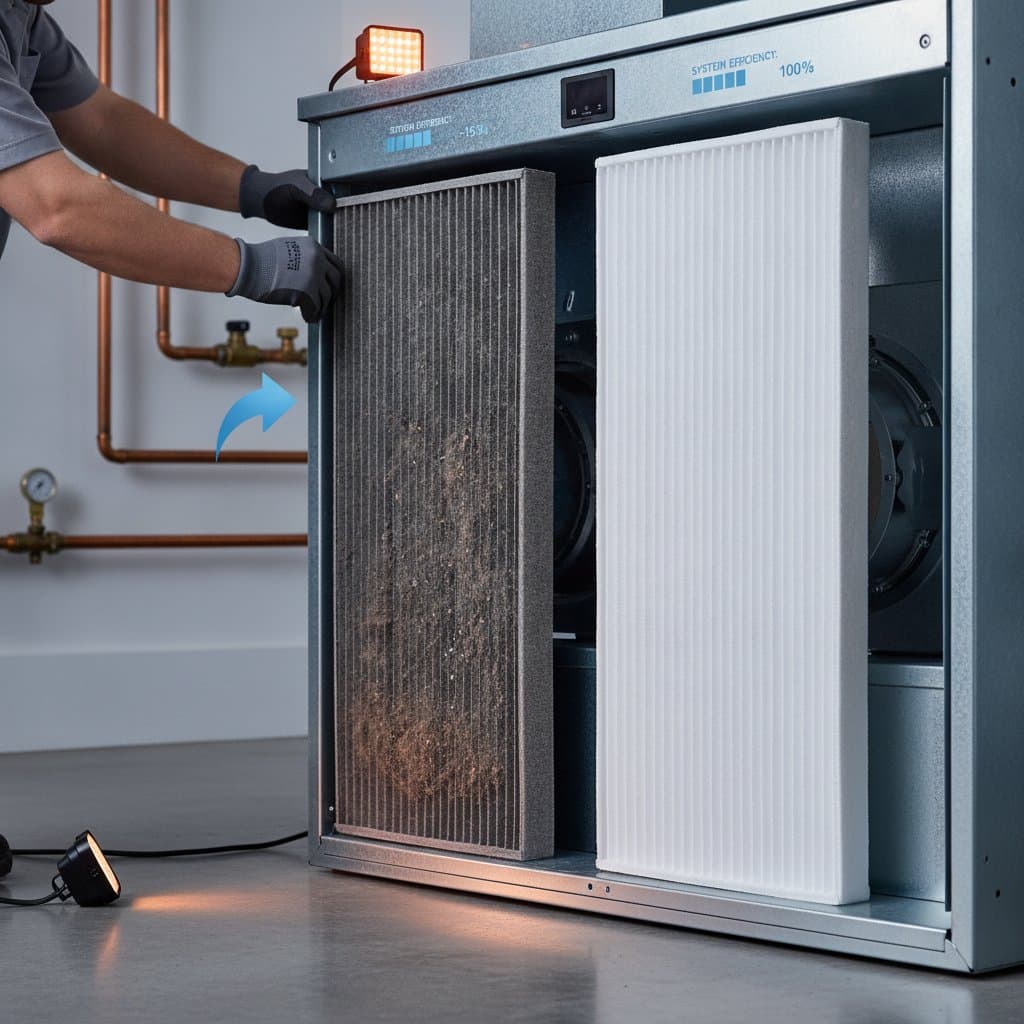
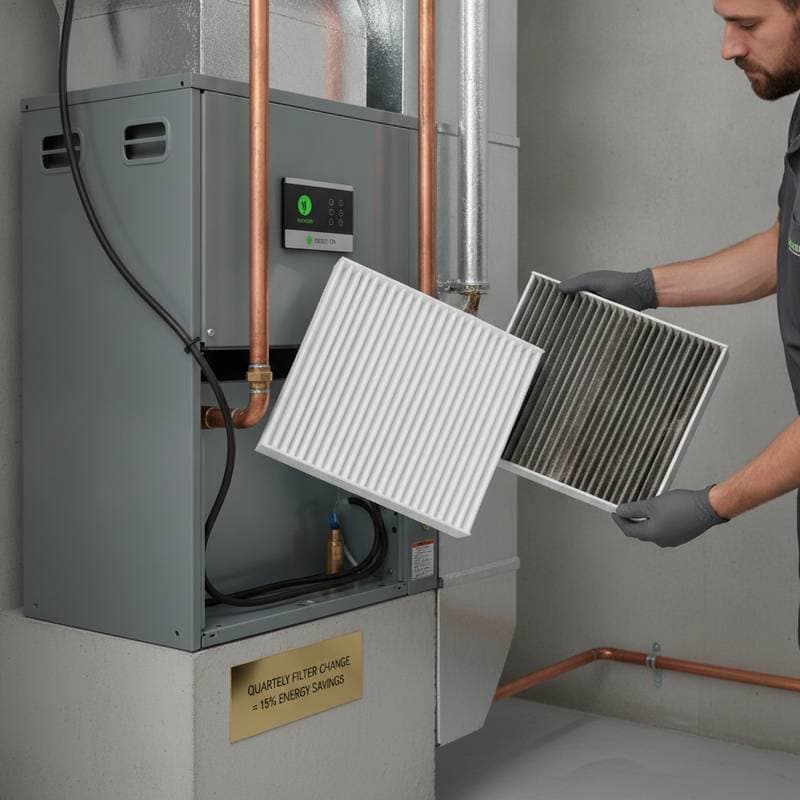
Initial investments in premium filters yield substantial returns. Reduced accumulation on coils and ducts improves system efficiency, potentially decreasing energy bills by 5 to 10 percent. Less dust also lowers maintenance frequency and costs. Many upgrades recoup expenses within one year via enhanced reliability and reduced repairs.
Resolving Frequent Upgrade Challenges
Installing higher-rated filters may uncover underlying HVAC issues. Symptoms such as unusual sounds, diminished airflow, or temperature inconsistencies warrant prompt attention. Consider these common scenarios:
- Blower Overload: Denser filters increase resistance, straining the motor. A professional can measure static pressure and modify fan settings accordingly.
- Frequent Cycling: Restricted airflow prompts short operation cycles. Opting for a marginally lower MERV level often restores equilibrium.
- Temperature Variations: Inconsistent heating or cooling indicates vent blockages or insufficient return air. Examine registers and ductwork for impediments.
- Humidity Fluctuations: Inadequate circulation hampers dehumidification. Ensure coils receive proper airflow exposure.
Early intervention averts component damage and preserves efficiency. Gradual upgrades, progressing from MERV 8 to MERV 11 en route to MERV 13, facilitate smoother system adjustment.
Health Advantages and Environmental Impact
Superior filtration delivers tangible health improvements for all household members. Elevated MERV ratings trap fine particulates that provoke allergies and respiratory discomfort. These filters also curb the dissemination of bacteria and viruses through the air.
Individuals with pets or sensitivities to dust and smoke experience rapid enhancements. Environmentally, contemporary filters incorporate recyclable components and minimal-emission synthetics. Certain manufacturers provide durable housings with interchangeable media, minimizing waste and recurring expenses.
A building management analysis revealed that implementing higher-rated filters in apartment buildings halved indoor particulates and reduced upkeep time by 30 percent. Such outcomes underscore the dual benefits for well-being and sustainability.
Implementing Your Filter Upgrade Strategy
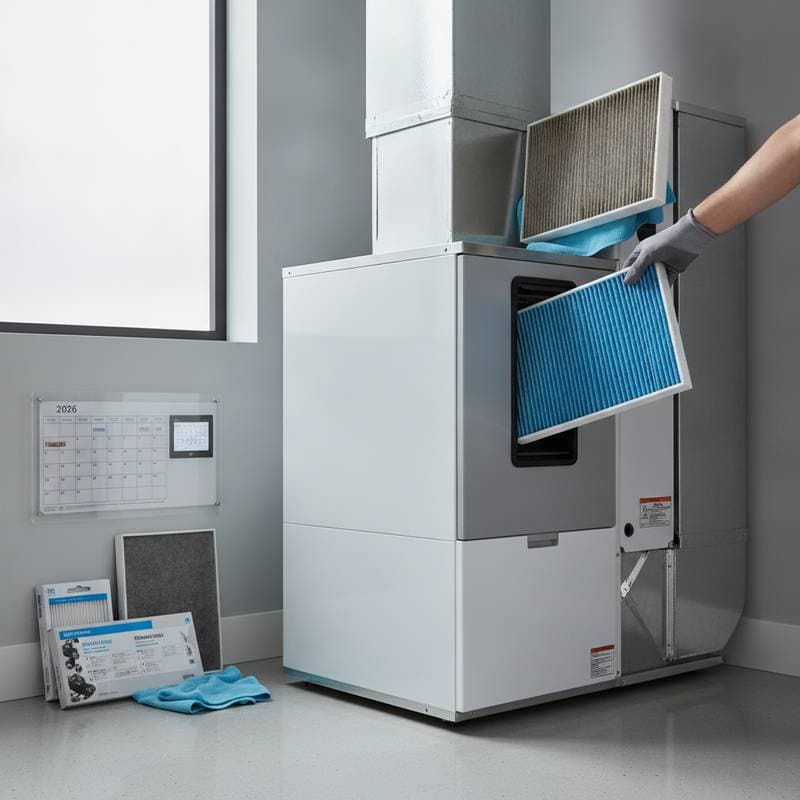
Elevating indoor air quality via MERV enhancements ranks among the most straightforward homeowner initiatives. Begin by assessing your system's airflow capacity through manufacturer specifications or professional evaluation. Choose a filter that maximizes filtration while avoiding undue restriction.
Post-installation monitoring ensures seamless operation. For upcoming system replacements, prioritize units engineered for elevated MERV handling. Variable-speed blowers in these models adapt dynamically to sustain airflow. Combining them with cutting-edge filters achieves near-medical-grade air purity in residential settings.
Consistent upkeep and strategic choices enable your HVAC to deliver pristine, healthful air with peak efficiency. The 2026 MERV advancements offer a timely chance to secure enduring comfort and vitality. Proactive measures today pave the way for superior air quality and enhanced living conditions ahead.