Fall HVAC Filters: Swap for Better Air Now
A home achieves true comfort through the quality of its indoor air. As fall's crisp temperatures arrive, the HVAC system serves as the central element of that comfort. Homeowners often overlook a basic maintenance step that sustains efficiency: replacing the air filter. A clogged filter diminishes air quality, burdens the equipment, and elevates energy costs. Incorporating a filter swap into your fall routine yields fresher, cleaner, and more efficient air all season.
Why Your HVAC Filter Matters
The heating or cooling system draws air through a filter that captures dust, pet dander, pollen, and other particles each time it operates. These contaminants accumulate, restricting airflow and hindering temperature regulation. A soiled filter fosters allergens and bacteria, impacting comfort and health.
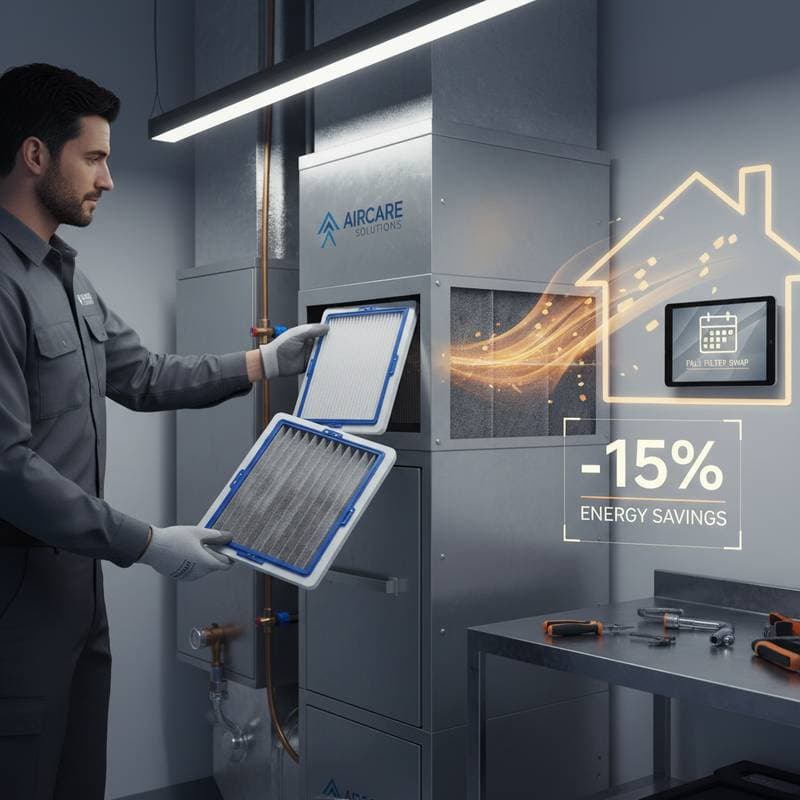
The National Air Filtration Association reports that a clean filter reduces energy use by up to 15 percent. This change delivers tangible savings in mere minutes. Clean filters also shield the furnace or air handler motor from excessive strain, potentially extending its service life by years.
The Quick Answer: Replace Filters Every 60 to 90 Days
Homeowners typically replace HVAC filters every two to three months. In homes with pets, allergies, or smoking, check every 30 to 45 days. For vacation properties or infrequently used systems, quarterly changes suffice.
Filter type and daily air volume influence the schedule. Select based on your needs.
| Filter Type | Typical Thickness | Recommended Replacement Interval | Best For |
|---|---|---|---|
| Fiberglass (disposable) | 1 inch | Every 30 days | Basic dust control |
| Pleated (disposable) | 1 to 2 inches | Every 60 to 90 days | Most homes |
| Electrostatic (washable) | 1 inch | Clean every 30 days | Allergy control |
| High-efficiency pleated (HEPA-like) | 2 to 4 inches | Every 90 to 120 days | Homes with pets or allergies |
| Media filter | 4 to 5 inches | Every 6 to 12 months | Whole-house systems |
How to Choose the Right HVAC Filter
Understand MERV Ratings
The Minimum Efficiency Reporting Value (MERV) rates filters from 1 to 16, indicating particle capture effectiveness.
- MERV 1 to 4: Traps large dust and lint. Suitable for older systems, though insufficient for contemporary homes.
- MERV 5 to 8: Captures mold spores, pet dander, and fine dust. Offers optimal airflow and filtration balance.
- MERV 9 to 12: Filters lead dust, vehicle emissions, and small allergens. Recommended for allergy management.
- MERV 13 to 16: Removes bacteria and smoke. Common in hospitals or dense-occupancy settings.
Residential systems favor MERV 8 to 12. Higher ratings may impede airflow if the blower motor lacks capacity for resistance.
Match the Filter Size Exactly
Dimensions appear on the filter frame, such as 16x25x1 or 20x30x4 inches. Verify length and thickness precisely. Undersized units permit air leakage at edges; oversized ones fail to secure properly and may vibrate.
Measure the slot if needed, then select the nearest nominal size. A 19.5x24.5x1-inch opening accommodates a 20x25x1 filter.
Know When to Upgrade
Persistent dust or uneven room temperatures signal the need for a thicker filter or higher MERV. Units with 4- or 5-inch depths provide greater surface area, enhancing airflow while trapping more particles.
Step-by-Step: How to Replace an HVAC Filter
Filter replacement requires under 10 minutes and basic tools like a flashlight or screwdriver.
- Switch off the system at the thermostat.
- Find the filter slot in the return duct, blower area, or wall grille.
- Extract the old filter without disturbing dust in the duct.
- Note airflow arrows on the frame, directing toward the blower motor.
- Install the new filter securely and level.
- Secure the panel and restart the system.
- Mark the installation date on the frame for future reference.
Schedule reminders via phone or calendar to maintain consistency.
Common Mistakes Homeowners Make
Simple oversights can impair performance. Address these issues:
- Neglecting monthly checks. Dust accumulates rapidly in peak seasons.
- Reversing installation. Arrows must point toward the blower or furnace.
- Selecting overly restrictive filters. High-MERV options demand compatible systems.
- Cleaning disposables. Replace them to preserve fiber integrity.
- Ignoring off-season buildup. Dust gathers regardless of usage.
These practices ensure smooth operation and superior air quality.
Signs It Is Time to Change the Filter
Visual or sensory cues may prompt earlier action:
- Dust on surfaces despite cleaning
- Reduced vent airflow
- Musty odors at startup
- Unexpected bill increases
- Intensified indoor allergies
Inspect promptly if these occur; a replacement often remedies the problem.
How Filter Maintenance Affects Energy Efficiency
Unrestricted airflow underpins HVAC efficiency. Clogged filters force the blower to labor, raising electricity demands by 10 to 20 percent.
Clean filters promote free circulation, shortening run times. Seasonal savings reach $50 to $100 for typical households. They also avert damage to the blower and heat exchanger, avoiding costly repairs.
Monitor bills pre- and post-replacement to observe improvements within a cycle.
Air Quality and Health Benefits
Filters safeguard equipment and respiratory health. The Environmental Protection Agency notes indoor air pollution exceeds outdoor levels by two to five times, from dust mites, pollen, dander, and chemicals.
Pleated filters with higher MERV ratings diminish these threats. For asthma or allergy households, MERV 11 or 12 eases breathing and curbs symptoms. In urban or fire-risk areas, advanced filters block fine particulates from infiltration.
DIY vs. Hiring a Professional
Filter changes rank among the easiest homeowner tasks, costing $5 to $50 per unit with minimal tools.
Seek professional help if:
- The slot proves elusive
- Access involves sealed or confined areas
- Airflow persists as an issue post-replacement
- The system features multiple or specialized filters
Annual tune-ups, priced at $100 to $200, encompass replacement, cleaning, and testing ahead of heating demands.
Accessibility and Safety Considerations
Limited mobility complicates access in ceiling or attic locations. Adapt with:
- Stable ladders equipped with non-slip bases
- Assistance from others for stability
- Low-level remote housings for convenience
- Outdoor rinsing of washables using gentle water pressure
Prioritize safety to reap air quality gains without hazards.
Cost Comparison and Long-Term Value
Filters vary in price, yet maintenance yields substantial returns. A $15 to $30 pleated unit prevents internal dirt, saving over $500 in five years through efficiency and fewer repairs.
| Filter Type | Average Cost Per Unit | Annual Replacement Cost (Typical Home) | Expected Air Quality Improvement |
|---|---|---|---|
| Fiberglass | $3 | $36 | Low |
| Pleated | $20 | $80 | Moderate |
| Electrostatic | $40 (reusable) | $40 (initial only) | High |
| Media Filter | $60 | $60 | Very High |
Balance expense with performance for optimal results.
Preparing for the Heating Season
Furnaces activate more in cooler weather, accelerating filter loading. Pre-season replacement initiates optimal function and eliminates dust-burning smells.
Examine ducts, vents, and grilles for debris; vacuum surfaces lightly. These actions amplify efficiency and prolong filter life.
Pro Tips for Success
- Maintain a log of dates, sizes, and MERV ratings near the thermostat or digitally.
- Purchase in bulk for cost savings and availability.
- Align checks with seasonal markers like fall's start.
- Groom pets and vacuum weekly to minimize dander.
- Swap filters mid- and post-renovation to clear construction residue.
Routine adherence simplifies upkeep.
Securing Lasting Comfort Through Filter Care
A fall filter swap represents an accessible upgrade for superior air and reduced bills. This brief task ensures enduring equipment protection and comfort. From apartments to spacious homes, prioritize this step for revitalized air, balanced temperatures, and streamlined performance.
Invest moments now for seasonal benefits, fostering a healthier living environment.